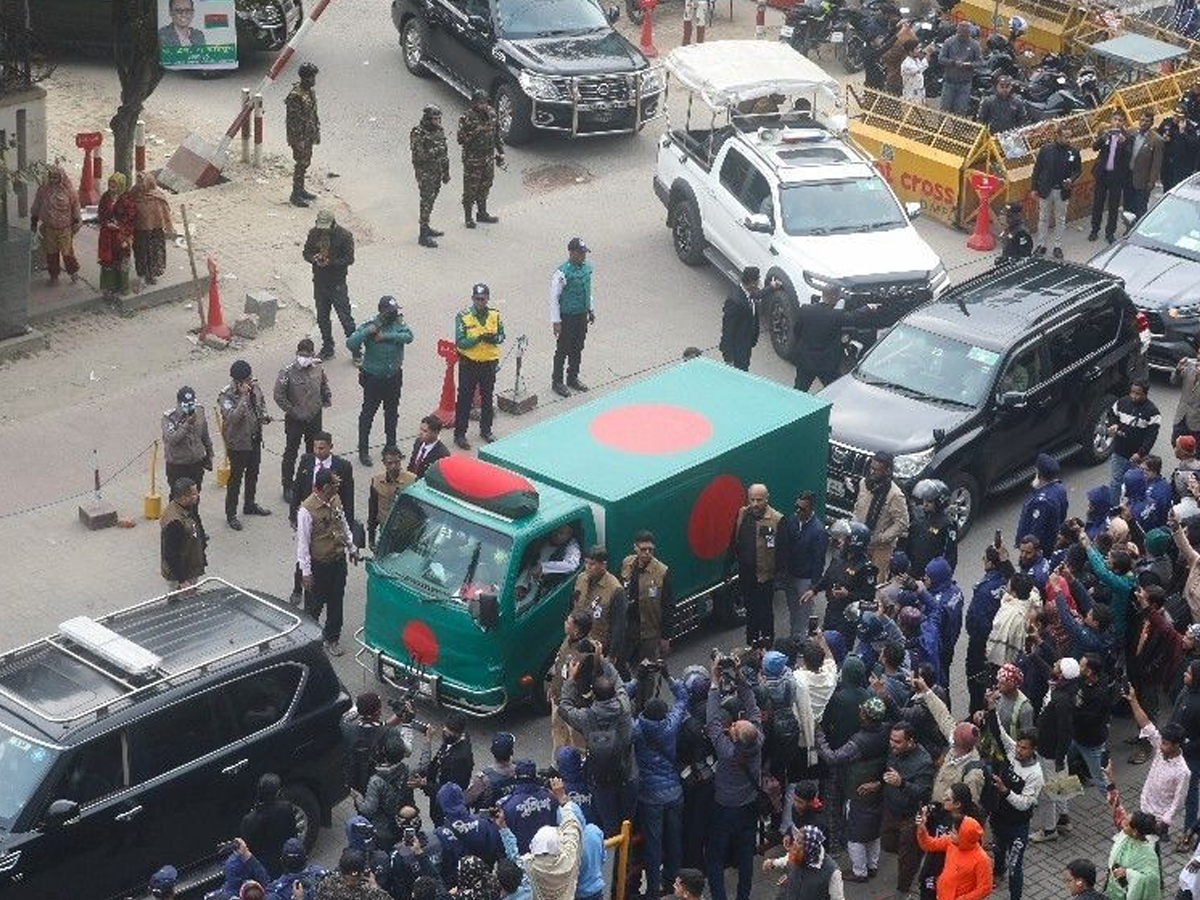
Dhaka witnessed an emotional and historic moment on Wednesday as massive crowds gathered to bid farewell to former prime minister Khaleda Zia. People from across Bangladesh poured into the capital to attend her funeral prayers, turning areas around the national parliament into a sea of mourners.
The funeral prayers took place at Manik Mia Avenue, one of Dhaka’s largest public spaces. From early morning, roads leading to the venue were filled with people carrying banners, party flags, and portraits of the late leader. Many arrived hours before the prayers began.
Thousands Gather From Early Morning in Dhaka
The gathering began around 7:00 am as supporters and admirers started assembling near the parliament complex. Leaders and activists from the Bangladesh Nationalist Party (BNP) joined ordinary citizens to pay their last respects.
As the day progressed, the crowd continued to swell. By afternoon, nearby areas such as Farmgate, Karwan Bazar, and adjoining localities saw heavy congestion due to the sheer number of people arriving.
People Travel Across Bangladesh to Pay Last Respects
Mourners travelled long distances to reach Dhaka. Many came by buses, trucks, trains, private cars, and motorcycles. Some people even walked several kilometres to be part of the final farewell.
Security personnel remained deployed across the city to manage traffic and ensure safety. Despite the large turnout, the atmosphere remained calm and respectful throughout the day.
Khaleda Zia to Be Laid to Rest Beside Ziaur Rahman
Khaleda Zia will be laid to rest beside her husband, former president Ziaur Rahman. The burial will take place with full honours, marking the end of an era in Bangladesh’s political history.
As the country’s first woman prime minister, Khaleda Zia held a unique place in national life. Her supporters remembered her as a strong leader who played a major role in shaping democratic politics.
Top Leaders and Interim Government Officials Attend Funeral
Several senior leaders attended the funeral prayers. Chief Adviser of Bangladesh’s interim government, Muhammad Yunus, joined the gathering and offered prayers.
Bangladesh Chief Justice Zubayer Rahman Chowdhury, advisers from the interim government, senior civil and military officials, and members of Khaleda Zia’s family were also present.
Their presence highlighted the national importance of the occasion and reflected respect across political and institutional lines.
Jaishankar Attends Funeral, India Sends Condolences
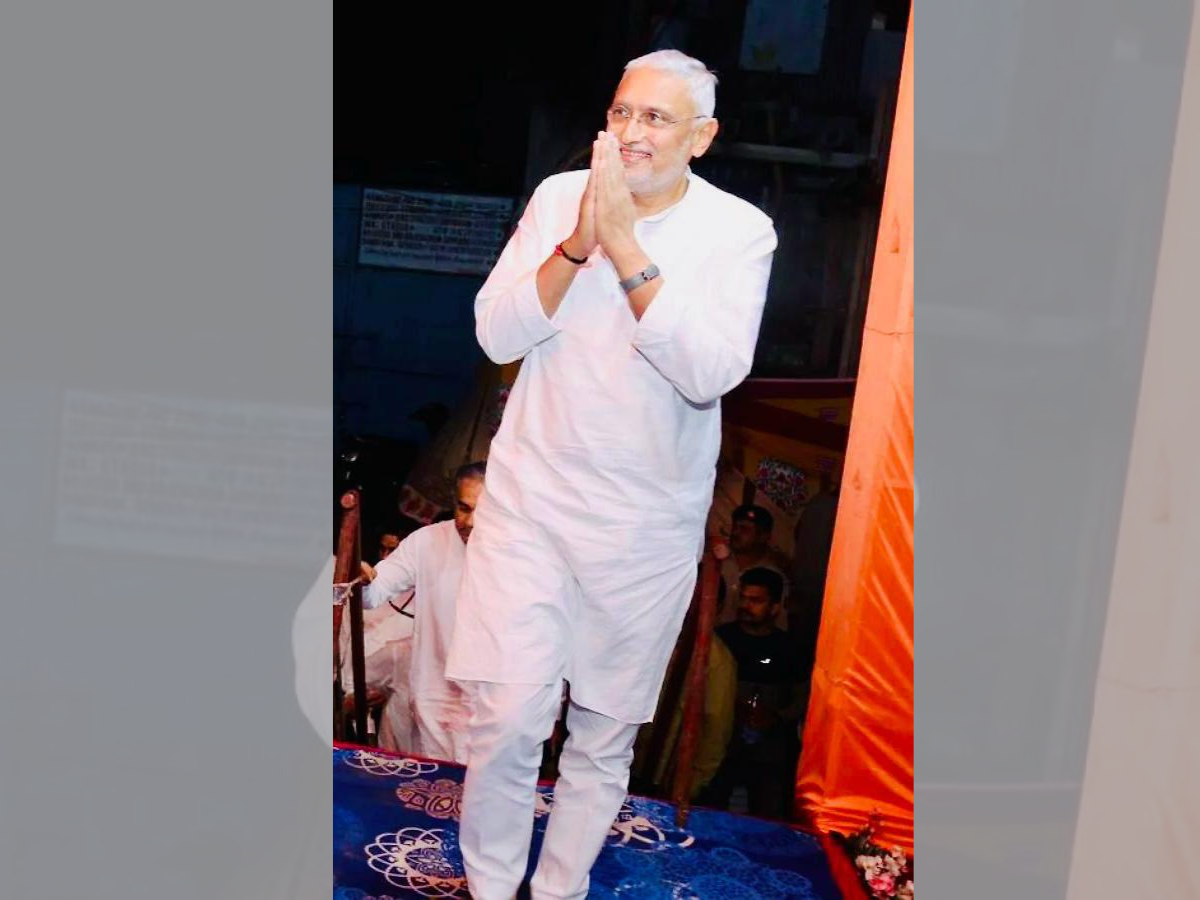
India was represented at the funeral by External Affairs Minister S Jaishankar. He arrived in Dhaka to convey condolences on behalf of the people and government of India.
In a post on X, Bangladesh’s High Commissioner to India Riaz Hamidullah wrote, “HE @DrSJaishankar, Hon. External Affairs Minister, in Dhaka, conveys condolences of the people | Govt of #India as #Bangladesh mourns passing of former Prime Minister #BegumKhaledaZia, recognized her contribution to #democracy and expressed optimism to strengthen ties following democratic transition in Bangladesh thru the upcoming election (Feb 2026).”
HE @DrSJaishankar, Hon. 🇮🇳External Affairs Minister, in Dhaka, conveys condolences of the people | Govt of #India as #Bangladesh mourns passing of former 🇧🇩Prime Minister #BegumKhaledaZia, recognized her contribution to #democracy and expressed optimism to strengthen 🇧🇩🇮🇳 ties… pic.twitter.com/P020Nixrfu
— Riaz Hamidullah (@hamidullah_riaz) December 31, 2025
Foreign Dignitaries From South Asia Join the Mourning
Apart from India, several South Asian countries sent senior representatives to Dhaka. Nepal, Bhutan, and Pakistan were among the nations that sent officials to attend the funeral prayers.
Their participation underlined Khaleda Zia’s regional stature and her influence beyond Bangladesh’s borders.
A Nation Reflects on Khaleda Zia’s Legacy
As prayers concluded, many in the crowd reflected on Khaleda Zia’s long political journey. Supporters described her as a symbol of resilience and democratic struggle.
Her funeral marked not just a farewell to a former prime minister, but a moment of national reflection. Bangladesh now looks ahead while remembering a leader who shaped decades of its political history.