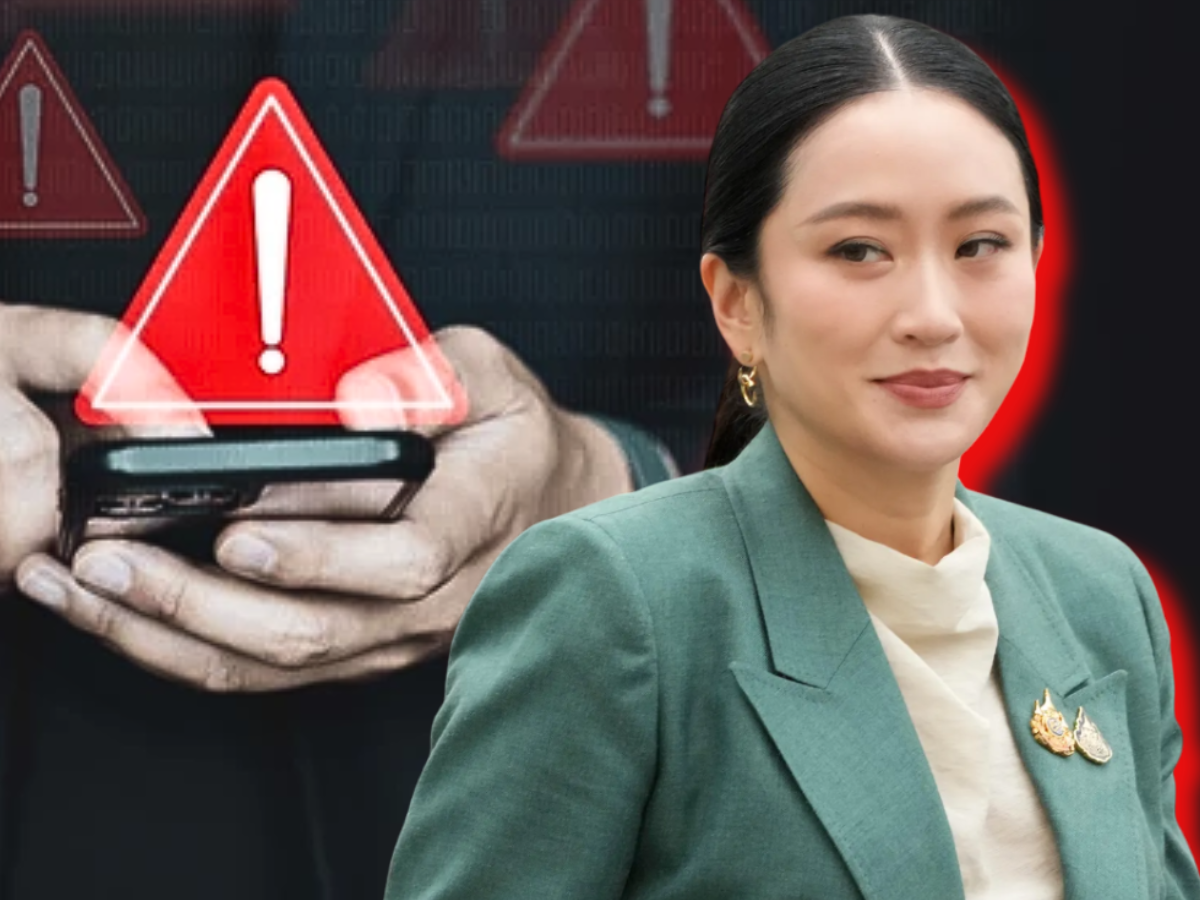
Thailand’s Constitutional Court has stripped Prime Minister Paetongtarn Shinawatra of her office, the fifth time that a member of the Shinawatra-supported governments has been removed by the panel. The ruling was made following the leaked telephone conversation in June between Paetongtarn and Cambodian leader Hun Sen that was revealed to the public. During the call, Paetongtarn could be heard being conciliatory toward Hun Sen in a dispute over their border but criticizing one of her military commanders.
Paetongtarn stood by her comments, saying she was trying to achieve a diplomatic breakthrough and that the dialogue should not have leaked. The leak, however, led to a political crisis. Her largest coalition partner pulled out of the government, leaving her with a narrow majority and mounting calls for her resignation.
Judicial Intervention and Political Fallout
In July, seven out of nine Constitutional Court judges voted to suspend Paetongtarn. This was an expected verdict, echoing a trend across Thailand where the court has repeatedly acted against governments associated with the Shinawatras. The court has outlawed 112 political parties during that time, including past versions of Pheu Thai and the pro-reform Move Forward party. Critics say the court systematically subverts governments perceived as a threat to conservative, royalist interests.
The secret phone call was the tipping point that sealed Paetongtarn’s destiny. Hun Sen responded furiously after Paetongtarn called Cambodia’s use of social media to legitimize its position as “unprofessional.” Calling it an “unprecedented insult,” he made the conversation public, fuelling diplomatic tensions that led to a five-day border war last month, which took over 40 lives.
Shinawatra Party Faces Leadership Crisis
The constitution of Thailand now mandates the parliament to choose a new prime minister from a restricted number of candidates. Pheu Thai has already spent two of its choices on grounds of court dismissals. Its third choice, Chaikasem Nitisiri, has poor popularity and bad health, whereas other choices, like Anutin Charnvirakul, have tense relations following his party’s withdrawal from the coalition due to the scandal.
In the meantime, the most numerous parliamentary party, The People’s Party (replacement of the disbanded Move Forward), has committed to staying in the opposition until a fresh election, making it difficult to construct a stable administration.
Fading Popularity and Policy Mishaps
Paetongtarn’s short time in office underscored her lack of autonomous control, with the majority of Thais believing her father, Thaksin Shinawatra, held the decisive power. Signature Pheu Thai initiatives, such as a stalled digital wallet program, proposals for legalized casinos, and a ambitious “land-bridge” project, have experienced minimal progress.
The border conflict with Cambodia and the family’s tie to Hun Sen again fueled nationalist suspicion that Shinawatra interests come first, ahead of national concerns. Dominant once, the party’s popularity has plunged and faces losing several of its 140 parliamentary seats in the event of fresh elections.
Since more than two decades, Thai politics have been controlled by the Shinawatra dynasty. Yet, with successive judicial interventions, political blunders, and waning popular support, the dynasty’s long-term grip on power seems more and more tenuous. Regaining former dominance will be a tough battle, experts say, marking a new era in Thai politics.