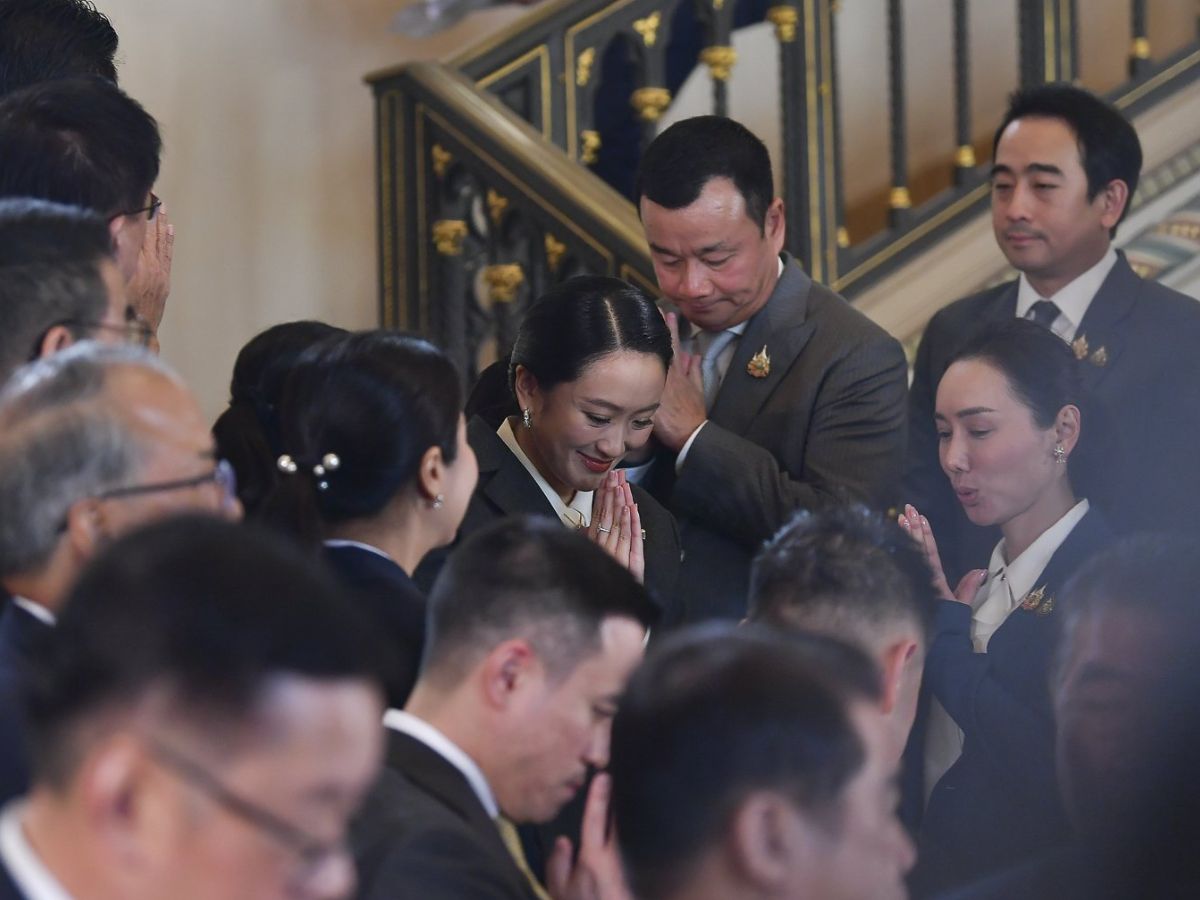
Thailand entered another phase of political turmoil on Friday as the Constitutional Court dismissed Prime Minister Paetongtarn Shinawatra. The ruling accused her of breaching ethical standards and prioritising personal relations over national interest during a leaked phone conversation with Cambodia’s influential politician Hun Sen.
Why the Court Took the Extreme Step
The Constitutional Court said Paetongtarn’s actions violated the moral and ethical standards expected of a prime minister. Judges stated she was “consistently willing to comply with or act in accordance with the wishes of the Cambodian side” because of her long-standing personal ties with Hun Sen.
According to the court, this dependence and willingness to adjust to another country’s demands created a serious conflict of interest, undermining her role as the head of government. The ruling also declared that she “lacks the qualifications and possesses prohibited characteristics” under the Thai constitution, making her unfit for the premiership.
This verdict shows that the court believed Paetongtarn was unable to separate personal loyalty from official duty, a principle considered unacceptable for a national leader.
The Phone Call That Sparked the Downfall
The scandal stemmed from a June phone call between Paetongtarn and Hun Sen, shortly after Thai and Cambodian soldiers clashed along their disputed border. The border region has historically been tense, and any perception of weakness in defending Thai territory immediately raises national concerns.
Hun Sen, who ruled Cambodia for nearly four decades before stepping down in 2023, still holds enormous influence as head of the Senate and the ruling Cambodian People’s Party (CPP).
In the leaked audio, Paetongtarn addressed Hun Sen as “uncle,” a term critics saw as overly familiar for a foreign leader. Even more damaging was her criticism of her own army’s response to the clashes. At one point, she told him: “If Sen wants anything, just tell me, and I will take care of it.”
For many Thais, this sounded like submission to a foreign power. Analysts said her words suggested she was willing to prioritise Cambodian interests over her own country’s sovereignty, which became the central reason for her dismissal.
Shinawatra Family’s Close Ties with Cambodia
The Shinawatra family has a long political history in Thailand, but their ties to Hun Sen have often raised suspicion. Former Prime Ministers Thaksin Shinawatra (Paetongtarn’s father) and Yingluck Shinawatra both enjoyed friendly relations with the Cambodian leader during their tenures.
Paetongtarn appeared to rely on this personal relationship during the border crisis, likely believing it could ease tensions. But instead, it backfired, reinforcing a perception of bias and dependency.
Her downfall is another chapter in Thailand’s two-decade-long political struggle. She is now the sixth Shinawatra family member or ally removed from office by either the military or judiciary, underscoring the enduring divide between the Shinawatras’ populist influence and Thailand’s conservative establishment.
Also Read: Paetongtarn Shinawatra: The Steady Rise of a Modern Stateswoman
Immediate Political Impact
Paetongtarn had already been suspended in July, and Deputy Prime Minister Phumtham Wechayachai stepped in as acting leader. With the court’s ruling, he will continue as caretaker prime minister until the Thai parliament chooses a replacement.
However, selecting a new leader may not be straightforward. Thailand’s parliament is often divided, and if lawmakers fail to reach consensus, the country could face fresh elections. This possibility adds further uncertainty to Thailand’s already fragile political climate.
Regional and International Angle
The incident also raises questions about Thailand’s relations with Cambodia and its image within ASEAN. Cambodia remains an important neighbour, but critics say Paetongtarn’s removal highlights the danger of overreliance on personal diplomacy instead of formal state channels.
For ASEAN partners, the case serves as a reminder of the sensitivity of sovereignty issues in Southeast Asia. Analysts believe future Thai leaders will tread more carefully in handling cross-border disputes to avoid accusations of compromising national pride.
Paetongtarn Shinawatra was sacked not just for a leaked phone call, but because the court judged that her personal loyalty to Hun Sen created a conflict of interest. By appearing to prioritise Cambodia’s wishes over Thailand’s sovereignty, she lost both political credibility and her premiership.
Also Read: Thailand On Edge: Shinawatra Dynasty Faces Verdicts That Could Reshape Nation’s Political Future