
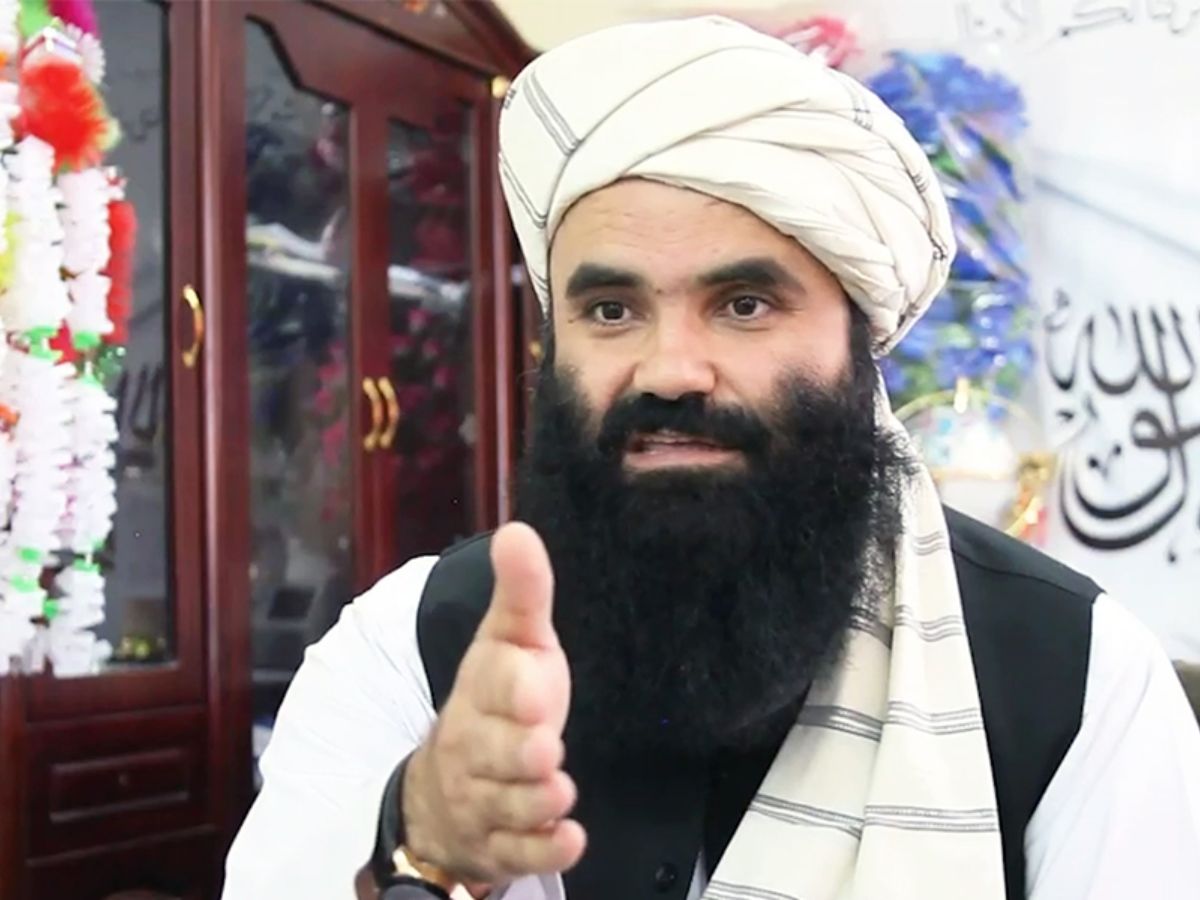
Amid the worst border clashes in recent years, a senior Afghan Taliban minister has bluntly told Pakistan that its conflict with the Tehrik-i-Taliban Pakistan (TTP) is Islamabad’s own problem. Khalifa Sirajuddin Haqqani, the powerful Interior Minister of the Islamic Emirate of Afghanistan, questioned why the issue was being “imposed” on Kabul, signaling a sharp deterioration in relations between the two neighboring nations.
What Did the Taliban Minister Actually Say?
In a clear and direct statement, Haqqani distanced the Afghan government from Pakistan’s internal security concerns. He referenced ongoing negotiations in Doha and Türkiye, asking why Pakistan involved Afghanistan if it was capable of handling the TTP itself. “What we don’t understand is if the problem is your own and you are capable of solving it, then why is it being imposed on us?” Haqqani stated. He emphasized that, aside from spokesman Zabihullah Mujahid, all responsible Afghan officials had remained silent on the TTP issue until now.
What Triggered This Recent Escalation?
The diplomatic exchange follows a significant military confrontation. On Saturday, October 11, intense fighting broke out along several border points, including Angoor Adda, Bajaur, and Chitral. Both sides exchanged heavy fire, each claiming to have destroyed enemy posts. It marks the worst border clash since the Taliban’s return to power, signaling a new phase of tension.
What are the Conflicting Claims from the Battlefield?
The two sides have presented vastly different accounts of the casualties. The Taliban administration’s spokesman, Zabihullah Mujahid, claimed that Afghan forces killed at least 58 Pakistani soldiers in what he described as “retaliatory” attacks. In contrast, Pakistani authorities stated that 23 of their own soldiers were killed while they had eliminated 200 Taliban and affiliated “terrorists.” The truth remains difficult to verify independently.
What is the Deeper Cause of the Tensions?
The immediate trigger for the border fighting was a series of bombings in Afghanistan two days prior, which the Taliban government accused Pakistan of orchestrating. The Shehbaz Sharif government has neither confirmed nor denied these allegations, adding to the mistrust. The Pakistani military condemned the Taliban’s border assault as a “cowardly action” aimed at destabilizing the region to facilitate terrorism, asserting that its forces “repelled the assault decisively.”
Also Read: Former FBI Chief Comey Expands Legal Challenge, Seeks Dismissal of Criminal Charges
What Does This Mean for Regional Stability?
Haqqani’s statement is a definitive refusal to act against the TTP, a group with ideological ties to the Afghan Taliban. By declaring that the TTP is Pakistan’s “own problem,” the Afghan government has taken a firm stance. Along with the recent deadly border clashes, this shows that the once cooperative ties between Islamabad and Kabul’s Taliban rulers are falling apart, heightening regional instability.