UN’s Afghan Women Workers Receive Death Threats
The United Nations has confirmed that dozens of Afghan women employees who work for its agencies have received explicit death threats, the first official confirmation of such intimidation. The threats, which began in May and were from unknown individuals associated with their work for the UN Assistance Mission in Afghanistan (UNAMA) and other UN programs, were reported in a UN report released Sunday.
The Taliban denied involvement, informing UN officials that their staff were not involved. Afghanistan’s Interior Ministry is said to be investigating, but has not commented publicly on the allegations.
The UN added that interim measures had been put in place to safeguard the women’s safety, but would not give any further information.
Heightening Restrictions on Women’s Rights
The attacks follow the background of blanket Taliban policies that limit women’s inclusion in public life. Afghan women have been prohibited from working for international and national NGOs since December 2022. Six months later, the prohibition was extended to the UN as well. The authorities have also threatened to shut down organisations that refuse to fire women.
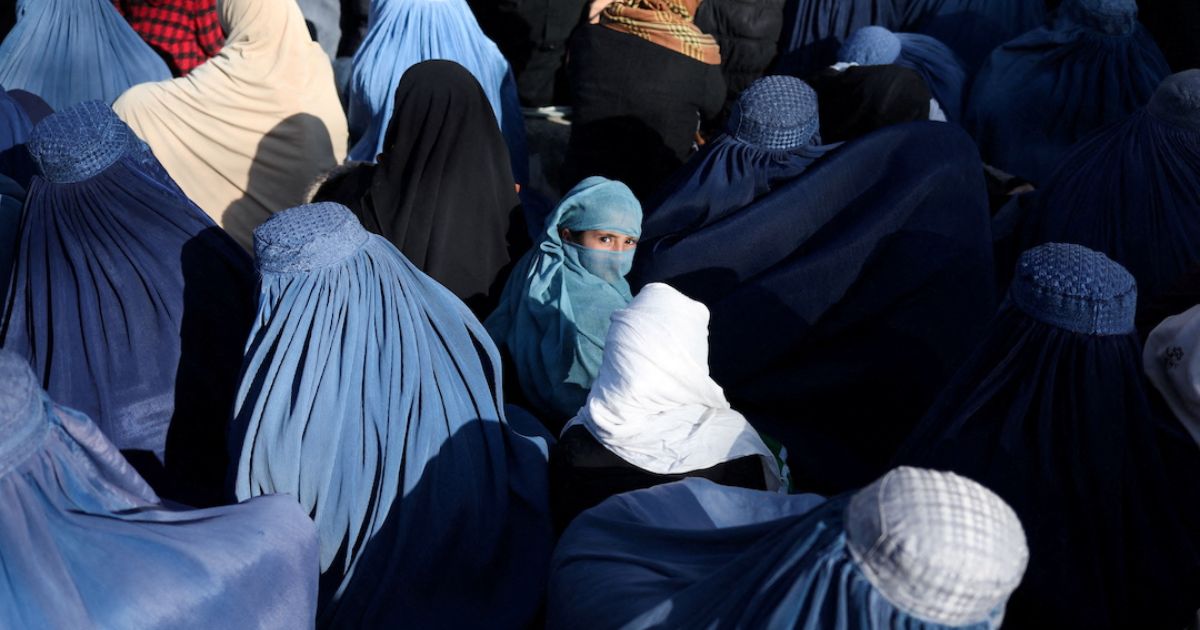
The UN report chronicles a series of events in May that mark further degradation of women’s liberties. In Herat, ministry inspectors started enforcing the wearing of the chador a full-body cloak that covers the head. Women not in one were excluded from markets, refused public transportation, and in some instances held in custody until family members produced the garment.
In Uruzgan, women who went out with a hijab rather than a burka were arrested. In Ghor province, families were asked by police to vacate leisure areas if women were involved, while in Herat women and girls were refused entry to open public spaces unless as part of an all-male group.
ALSO READ: Afghan Women Reclaim Education Through Online Course After Taliban Ban
New Restrictions on Female Health Workers
In Kandahar, the Public Health Department has implemented a contentious requirement for female healthcare providers: they are to be escorted by a male guardian, or mahram, who is required to carry an official ID card establishing a blood or marital connection.
The UN states that it may take weeks to secure this card and has to be verified by both the Vice and Virtue Ministry and also a local community leader like an imam or village elder. It is not certain if the rule is going to be implemented across the whole country.
The UN’s findings present a bleak picture of constricting space for Afghan women under the Taliban regime not just in their workplaces but also in public life, healthcare, and day-to-day life. The organization maintains it will proceed to observe the threats and limitations while urging for protection of its personnel and general women’s rights in Afghanistan.