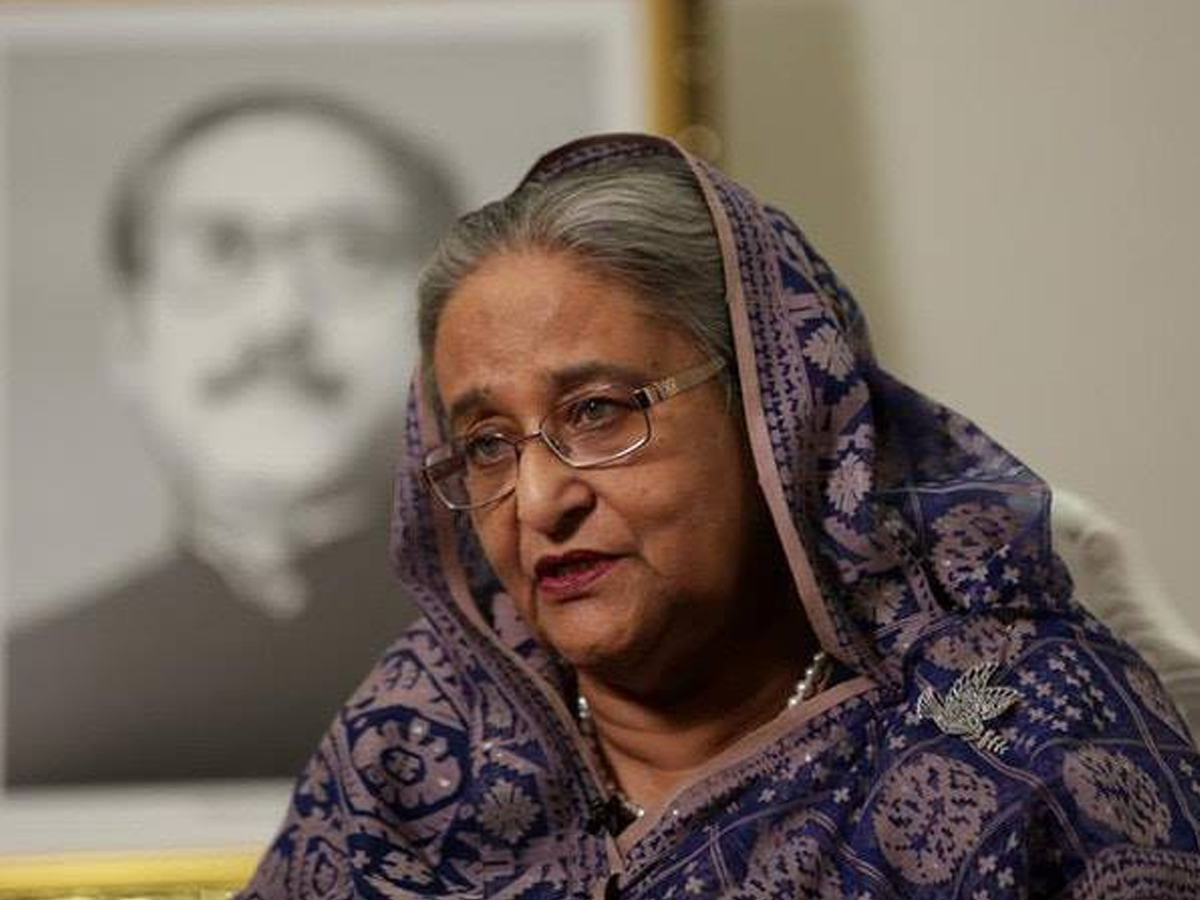
Bangladesh witnessed a major legal and political moment on Monday as a special court delivered its verdict against former Prime Minister Sheikh Hasina. The court found the ousted leader guilty of ‘crimes against humanity’ in a case linked to last year’s violent student-led uprising. The judgment ends months of hearings that examined her role in the deadly crackdown that shook the country in 2024.
Hasina, now 78, faced several charges for ordering the force against protesters demanding changes to the government’s job quota system. The demonstrations grew intense in July 2024 and soon turned into a nationwide movement. According to a UN rights office report, up to 1,400 people died between July 15 and August 15 during the “July Uprising.” The court said it found enough evidence to hold Hasina responsible for the excessive violence used during that period.
Sheikh Hasina Verdict: Court Lists Allegations of Silencing Critics
During the verdict reading, the court also outlined other allegations. It said investigators found evidence that Hasina removed journalists, politicians, and activists who criticised her government. According to the court, these actions showed efforts to suppress dissent in the final phase of her rule.
Hasina did not appear in court. She fled to India soon after her government collapsed in August 2024. She has lived in New Delhi since then under Indian protection.
Sajeeb Wazed Reacts Ahead of Verdict
Her son and advisor, Sajeeb Wazed, commented on the situation before the final judgment came out.
“We know exactly what the verdict is going to be. They’re televising it. They’re going to convict her, and they’ll probably sentence her to death…What can they do to my mother? My mother is safe in India. India is giving her full security,” said Wazed, who lives in Washington, DC, reported news agency Reuters.
His remarks reflected the belief within Hasina’s circle that the outcome was predetermined.
Protesters March Towards Dhanmondi 32 with Buldozzers
As the verdict neared, large groups of protesters gathered in Dhaka. Hundreds marched towards Dhanmondi 32, the historic home of Hasina’s father and Bangladesh’s founding leader, Sheikh Mujibur Rahman. The house has been abandoned for months. It has also faced several attacks by angry groups since Hasina was forced out of power.
Crowds moved with bulldozers to symbolize their anger. Armed police intervened to block their movement. Images from the scene showed heavy security, protesters shouting slogans, and officers forming barricades.
Historic Home Turned Into Flashpoint
The Dhanmondi 32 residence holds deep emotional and political significance in Bangladesh. It represents the legacy of the Mujib family. But since Hasina’s fall, it has become a target of public fury. The building suffered repeated damage, including fires, after she fled to India.
The conviction now raises fresh questions about Bangladesh’s political future. The ruling has widened divisions across society and intensified debates about accountability, leadership, and justice. With Hasina in exile and protests rising, Bangladesh enters a period of uncertainty.