
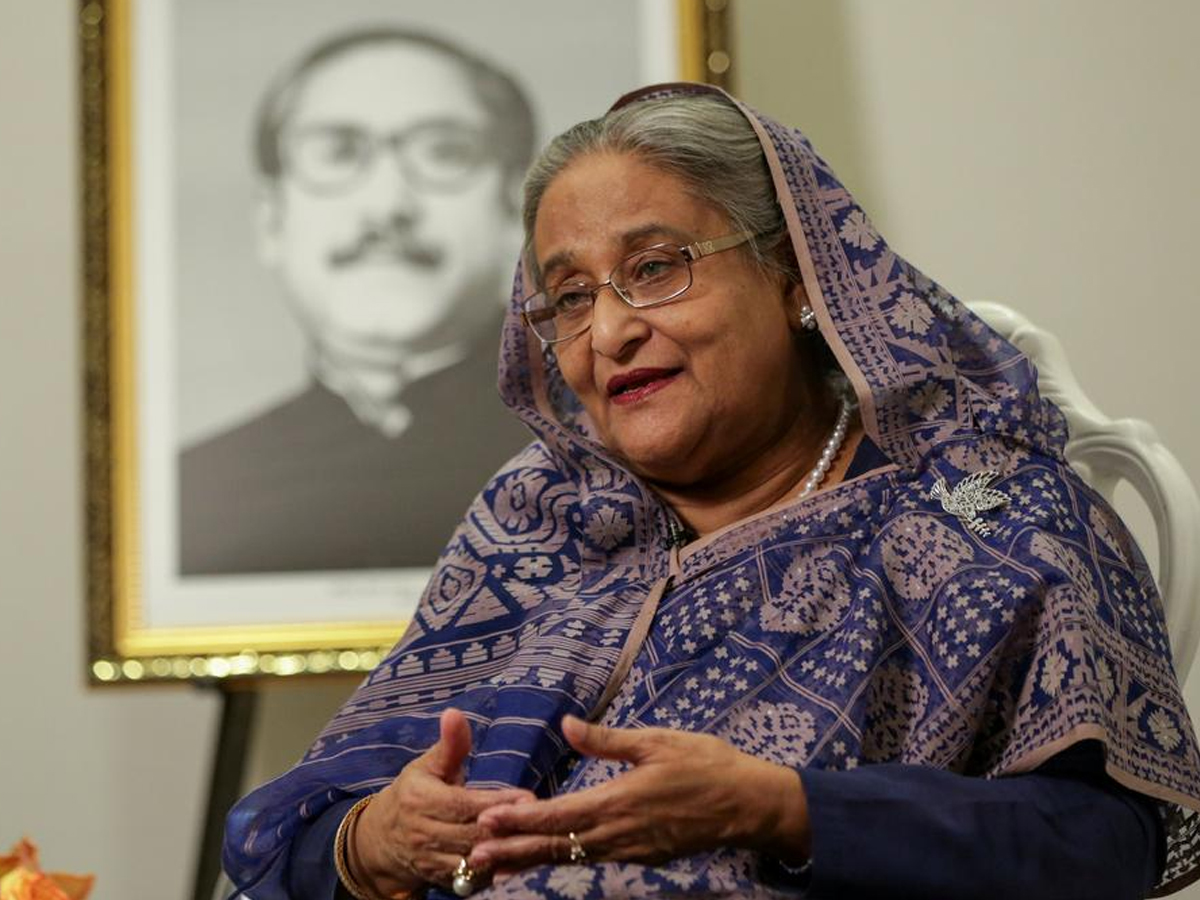
Just days after a death sentence for her alleged role in the violent 2024 uprising, former Bangladeshi Prime Minister Sheikh Hasina received a fresh blow. On 27 November 2025, a Dhaka court handed her a total of 21 years in prison in three separate corruption cases involving land‑allocation irregularities in the RAJUK Purbachal New Town Project.
The verdict adds to her mounting legal troubles and comes at a fraught moment for Bangladesh, with national elections due in February.
What the Dhaka court found
The three cases dealt with alleged illegal allocations of government land. The court ruled that plots were allotted without proper applications and beyond the lawful jurisdiction.
Judge Mohammad Abdullah Al Mamun delivered the sentence in absentia. Hasina was given seven years in jail for each case; the sentences are to run consecutively, adding up to 21 years.
The verdict also affected her family. Her son Sajeeb Wazed Joy and daughter Saima Wazed Putul received five‑year jail terms in one of the cases.
From death sentence to corruption verdict — What it signals for Sheikh Hasina
The court’s corruption ruling comes barely a week after Hasina was sentenced to death for crimes against humanity, relating to a brutal crackdown on a student-led uprising in 2024.
Together, the two verdicts paint a picture of a former leader completely besieged by legal challenges, accused of both violent repression and financial wrongdoing.
For Bangladesh, the events usher in deep political uncertainty. With general elections looming, many fear the verdicts could stoke further unrest or provoke new protests.
Sheikh Hasina, who remains in exile in India, dismissed the trials as “politically motivated.” Her supporters argue the process lacked fairness, especially since the judgments came in her absence.
Meanwhile, critics and some observers warn that repeated convictions, especially in absentia, raise serious questions about due process and the legitimacy of the overall justice campaign.
What Next For Hasina
With these verdicts, Bangladesh’s political environment faces a major test ahead of the next elections.
Whether this leads to stability or a deeper crisis remains uncertain. What is clear: Hasina’s fall from power is now permanent in legal terms. Her political future — and that of her party — looks increasingly bleak.