
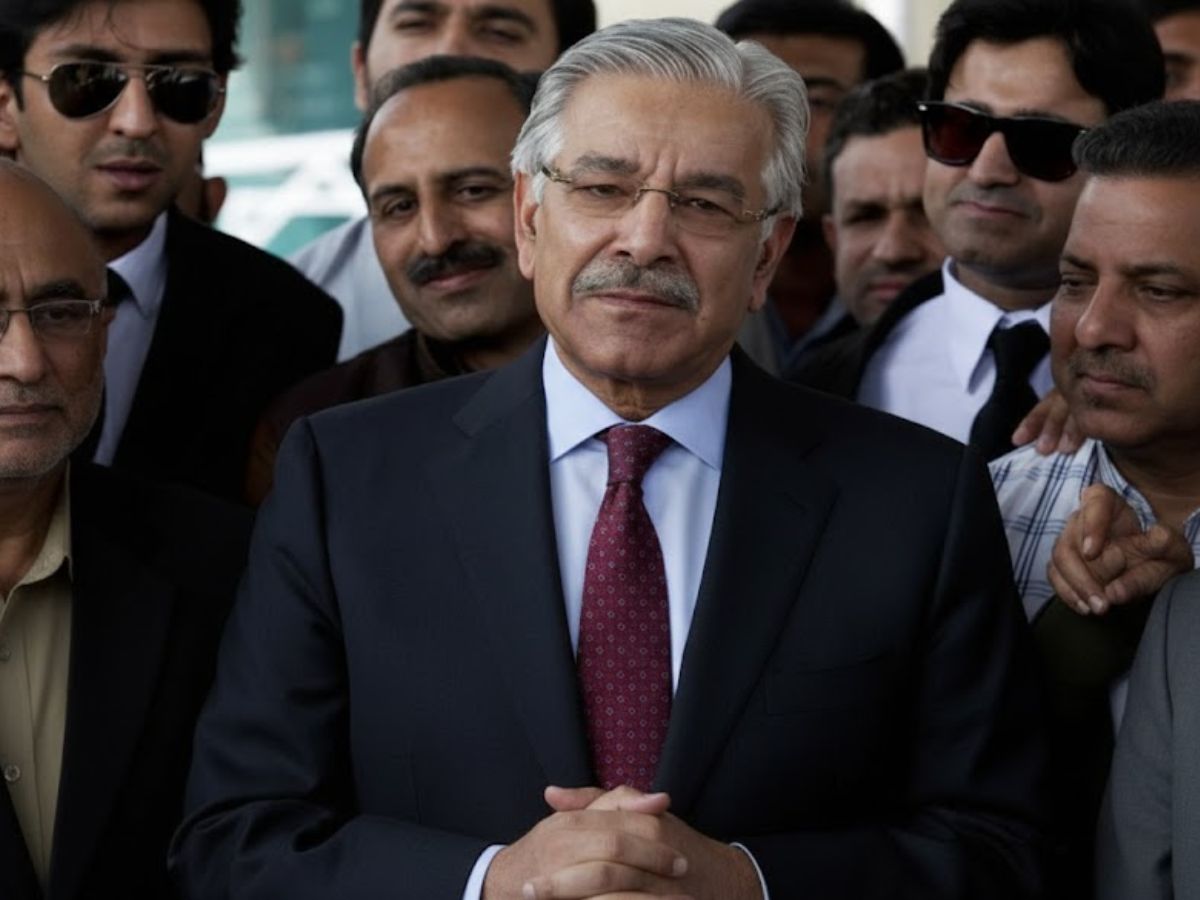
In a statement that has raised international alarm, Pakistan’s Defence Minister Khawaja Muhammad Asif issued a grave warning concerning ongoing talks with Afghanistan. If an agreement cannot be reached, he said, there might be “open war.” This stunning statement highlights the high stakes as representatives from both nations hold crucial talks in Istanbul, Turkey, to stop the recent violent border conflicts from getting worse.
What Sparked This Crisis?
The immediate trigger for this confrontation was a series of explosions in central Kabul. The Taliban-led government in Afghanistan attributed these attacks to Pakistan, which prompted immediate retaliatory strikes by Afghan forces along their shared border. The two weeks of heavy fighting after the gun battle took many lives, including civilians. The violence showed how fragile and unpredictable the relationship between the two neighboring countries is, as a political issue quickly turned into a deadly military clash.
A Fragile Ceasefire and Renewed Diplomacy
It has been difficult to defuse the situation. An early truce was reached, but it fell apart in a matter of days, and Kabul blamed Islamabad. A second ceasefire was arranged on Sunday with help from Qatar and Turkey. It seems to be holding, giving a small chance for diplomacy. Talks in Istanbul have begun again, aiming to strengthen this fragile peace and create a long-term solution for the tense border.
Also Read: Who is Iniya Pragathi: India’s Youngest 13-Year-Old Analogue Astronaut from Chennai
Who is at the Table in Istanbul?
The Afghan delegation is led by the Deputy Minister of Interior, Haji Najib. A spokesman for the Afghan government confirmed the team’s departure, stating the talks would address “the remaining issues” from a previous agreement in Doha. Pakistan has sent a two-member team made up of security officials. Their involvement, rather than diplomats, shows the talks are mainly focused on urgent military and border issues.
What Are the Core Issues Dividing Them?
Beneath the recent clashes lie deep-seated and conflicting grievances. For the Taliban government, a key objective is safeguarding Afghanistan’s territorial integrity and sovereignty. Conversely, Pakistan insists that the talks must conclusively address what it calls “the menace of terrorism emanating from Afghan soil towards Pakistan.” This fundamental disagreement over security and blame has been a persistent obstacle to peaceful relations, even though Pakistan was once a key strategic supporter of the Taliban.
Also Read: US-China Hold ‘Constructive Talks’ in Malaysia Ahead of Trump-Xi Summit
What Does “Open War” Really Mean?
The defense minister’s threat of “open war” is a dramatic shift in language. It shows that in the event that diplomacy fails, Pakistan is ready for a significant military confrontation. Given that Pakistan has traditionally supported the Taliban, there has been a dramatic deterioration in relations. The Kabul blasts happening during the Taliban foreign minister’s uncommon visit to India add another layer of regional tension.