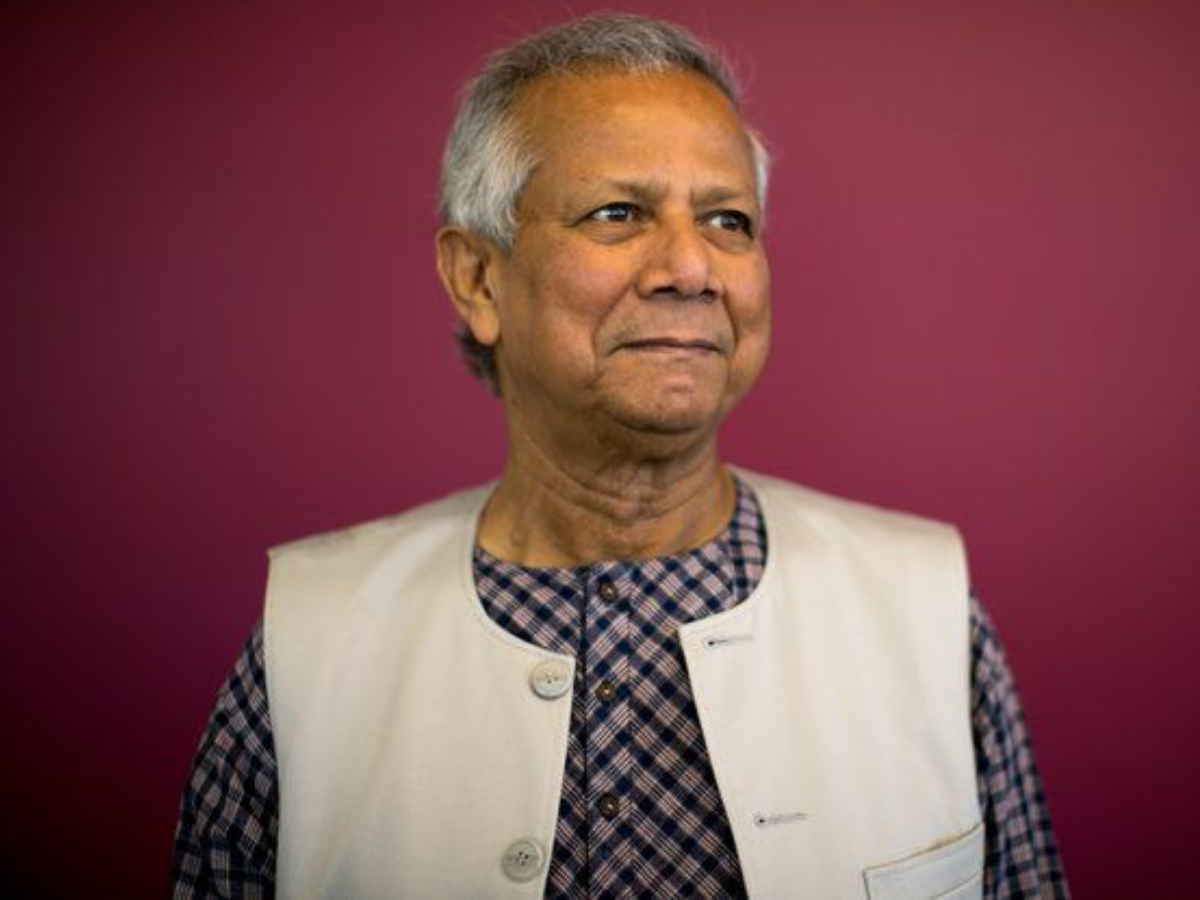
Bangladesh finds itself at a tense crossroads as grief, political symbolism and public anger collide. The funeral of Osman Hadi is a polarising yet influential radical leader, became more than a moment of mourning.
It turned into a stage for competing narratives about leadership, justice and the direction the country is heading under Chief Adviser Muhammad Yunus.
Muhammad Yunus Vows a Farewell Framed Osman Hadi
Speaking before thousands of mourners, Yunus chose remembrance over rhetoric. He portrayed Hadi not as a figure of controversy, but as a lesson in political conduct. According to Yunus, Hadi’s strength lay in humility, restraint and an ability to connect without inflaming division.
By pledging to carry forward these ideals, Yunus positioned the moment as a moral inheritance rather than a political endorsement. His words suggested continuity, insisting that Hadi’s vision would remain woven into the national story.
Pressure Mounts on the Government
Even as tributes were paid, impatience simmered beneath the surface. Abdullah Al Jaber of Inquilab Mancha issued a sharp ultimatum, demanding that the government disclose concrete steps taken to arrest those responsible for Hadi’s killing.
ALSO READ: US H-1B Visa Ban on the Horizon? Republican Proposal Could Reshape Tech Jobs
The 24 hour deadline reflected growing frustration among supporters who fear justice may be delayed or diluted. For the Yunus administration, the demand has become an immediate test of credibility and resolve.
Protests & Cross Border Anger
The unrest did not remain confined within Bangladesh. In Siliguri, protesters burned an effigy of Yunus during a torchlight march organised by the Bangiya Hindu Manch. The demonstration highlighted allegations of violence and discrimination against Hindu minorities in Bangladesh.
Speakers accused the authorities of failing to protect vulnerable communities and pointed to incidents of killings, arson and attacks on religious sites. These protests added an international dimension to an already volatile situation.
A Nation Under Scrutiny
The accusations raised by minority groups and activists have widened the lens beyond domestic politics. Claims of organised extremist violence and foreign influence have intensified calls for global attention. At the same time, silence from international human rights bodies has drawn criticism.
Bangladesh now faces a dual challenge delivering justice in a high profile killing while addressing broader concerns about minority safety and political accountability. How the Yunus government responds may define not only its tenure, but also the country’s standing in the eyes of its own people and the world.
ALSO READ: Epstein Files: Why Did the DOJ Remove a Trump Photo From the Documents?
Disclaimer: This editorial is based on reported statements and events and reflects analysis, not legal findings or endorsements of any individual or group.