
Public outrage against corruption had been brewing for years, but burst into flames last week when the government shut down social media platforms such as Facebook, Instagram, WhatsApp, YouTube, and X.
Rights organizations denounced the action, and violent protests erupted on Monday. A minimum of 19 people were killed and over 300 were injured, the worst unrest in decades in Nepal.
Aiding the outrage is the online ‘Nepo Kids’ phenomenon, in which politicians’ kids living it up have raised eyebrows at the gulf between common citizens and the influential elite.
ALSO READ: Nepal Restores Major Social Media Apps After Deadly Protests
What Happened This Week?
On Monday, the Nepali Army was deployed in Kathmandu as violence mounted. Army personnel cordoned off the parliament complex in New Baneshwor. The following day, protests spilt over to Kalanki and Baneshwor in Kathmandu and Lalitpur’s Chapagaun-Thecho sector.
Defying restrictions on gatherings, mostly student demonstrators shouted slogans such as ‘Don’t kill students’. Stones were hurled at Communication Minister Prithvi Subba Gurung’s residence, who had ordered the social media ban. Protesters also vandalized the homes of former prime ministers Pushpa Kamal Dahal Prachanda and Sher Bahadur Deuba.
Curfews are now in place across Kathmandu, Lalitpur, and Bhaktapur districts.
ALSO READ: Why Nepal Did Not Ban TikTok Amid Social Media Ban?
Oli’s Response and Calls for Resignation
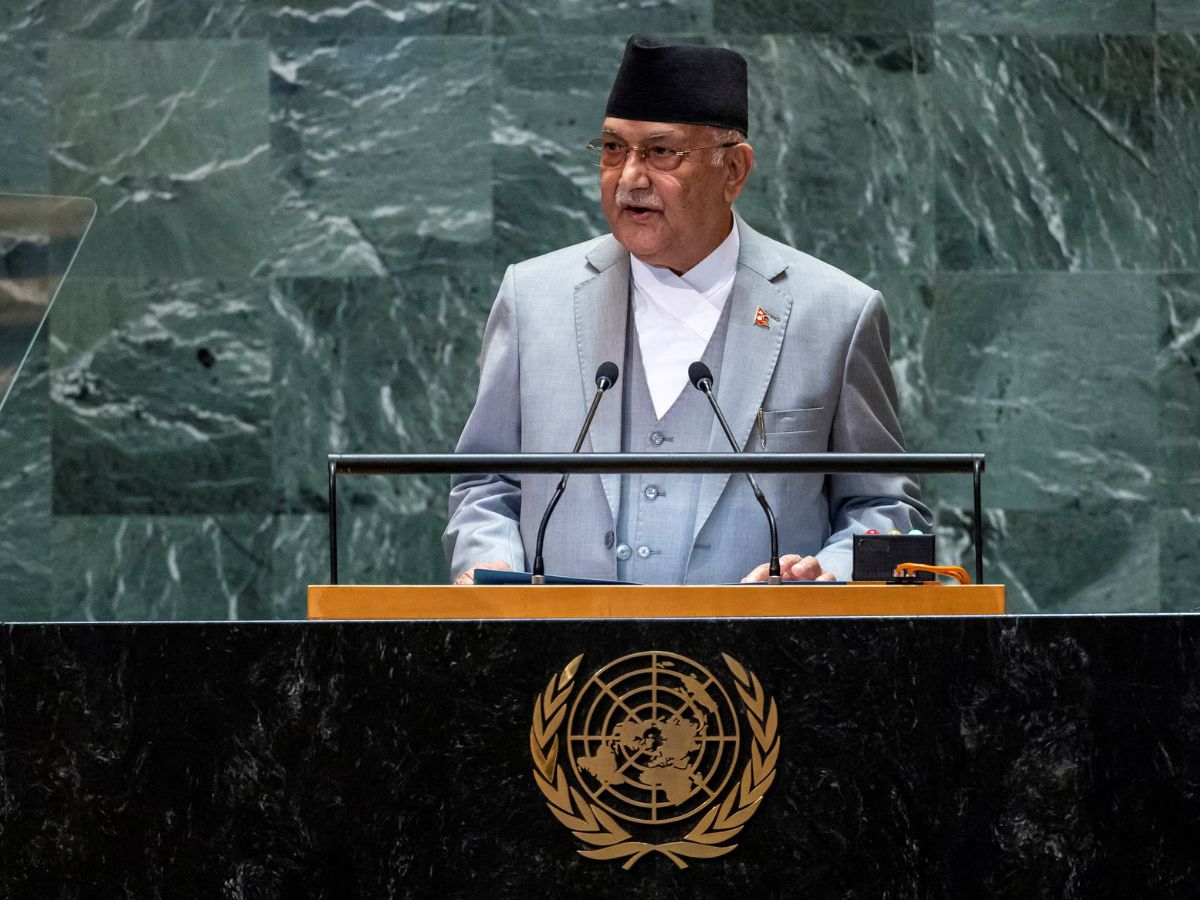
Prime Minister KP Sharma Oli indicated his government was ‘not adverse to the demands made by the Gen Z generation’ and stated he was ‘deeply pained’ by the bloodshed. He held ‘infiltration by various vested interest groups responsible for the violence, without declaring who they were’.
But criticism is growing. Nepal’s largest daily newspaper has called for the resignation of Oli, claiming he ‘cannot sit in the PM’s chair for a minute longer’ after the violent crackdown.