
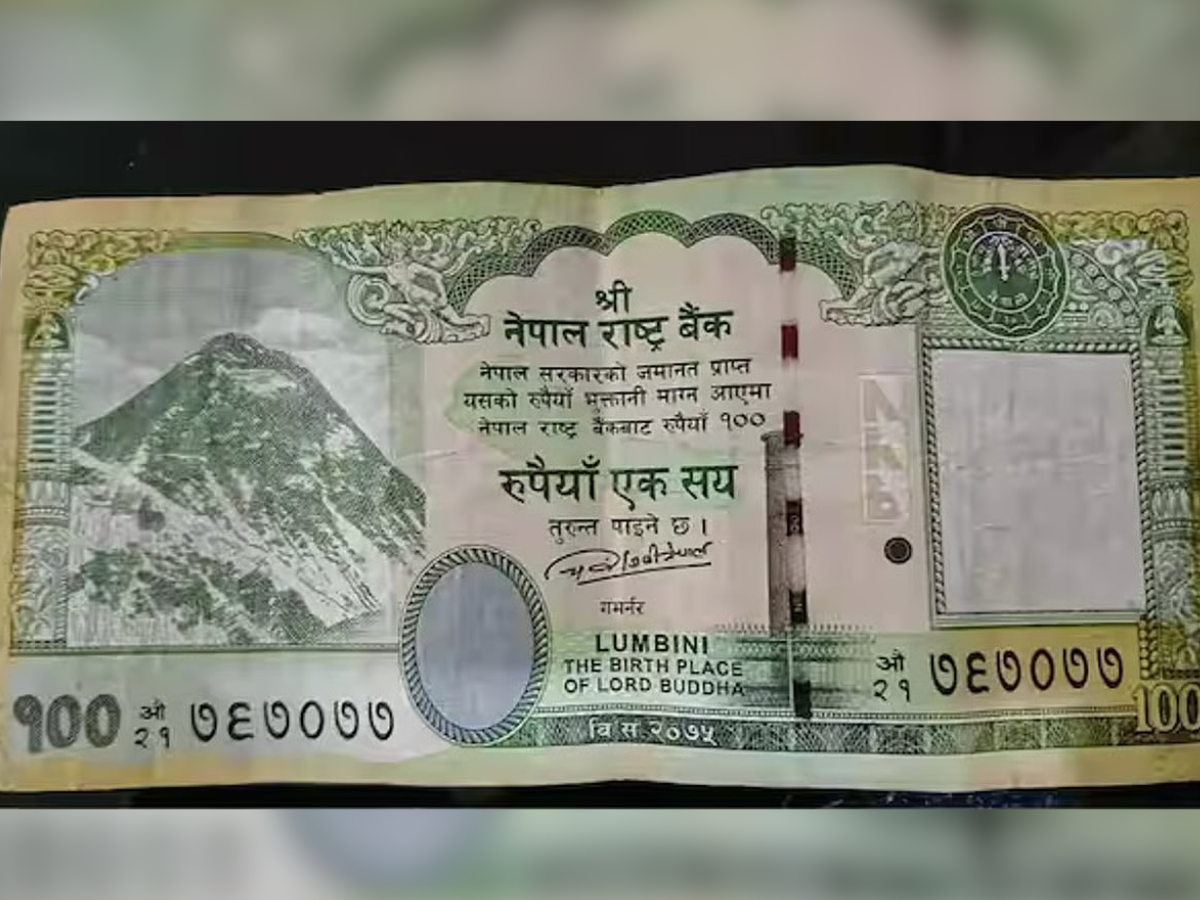
Nepal has released a revised version of the NPR 100 banknote with a new national map, featuring the areas of Kalapani, Lipulekh, and Limpiyadhura, that currently lie in dispute. The note has already been put into circulation and maintains the same size and colour as previously used. On the left, it displays Mount Everest, while on the right side, there is the Rhododendron watermark, and at the centre, the map of Nepal is printed. Additional security and identification features are also included; among those is a dot in Braille for visually impaired users.
Which Cities are on the map on the new NPR 100 Banknote?
After a constitutional amendment in May 2020, these areas were included in the official political map of Nepal. This is due to the source of the Kali River, and it considers the area part of the Nepalese sovereign territory. However, India disputes such an interpretation, maintaining its own historical and treaty-based claims over the same regions.
How has India reacted to the new note?
India has rejected the new map on the currency, calling it a unilateral move that doesn’t change existing territorial realities. New Delhi has described Nepal’s depiction of these areas as an artificial enlargement of claims and said that the disputed territories are part of India.
What else has changed in the 100-rupee NPR note?
Besides the revised map, the note carries an oval silver ink image of Maya Devi, the signature of former governor Maha Prasad Adhikari, and the series number “2081” in Nepali numerals. New features have been added, including a colour-changing thread and tactile marks for visually impaired people. It shows artwork featuring a one-horned rhinoceros along with its calf.
What does this mean for Nepal-India relations?
The inclusion of disputed territories in a widely used currency note symbolically asserts Nepal’s sovereignty. It will likely heighten tensions with India and maybe complicate the ongoing bilateral discussions over the border. Traders and residents in border regions may refuse to accept new notes, affecting cross-border commerce and day-to-day transactions.
What potential impact may this have on trade and everyday living?
The note may affect trade between Nepal and India, especially in areas near the disputed border. While it asserts Nepal’s territorial claims domestically, Indian border traders have expressed reluctance to accept the currency. This move may influence public sentiment and put pressure on governments for diplomatic efforts over the border dispute.