Rooftop Flats Become Oven-Like Rooms
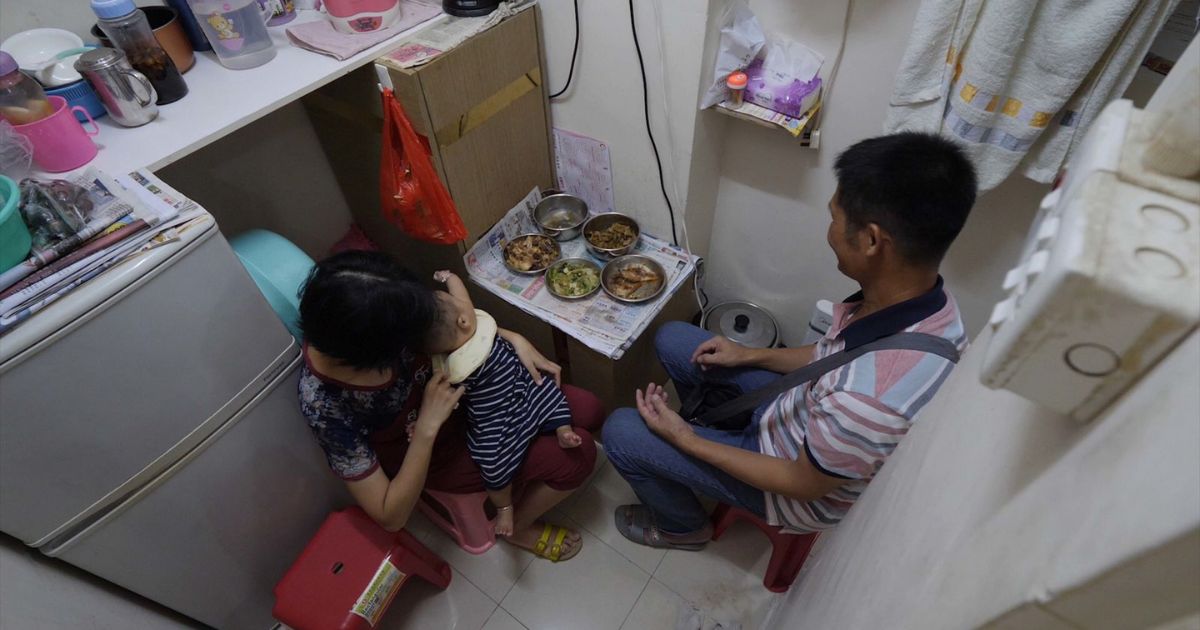
On a sweltering summer afternoon in Hong Kong’s working-class neighborhood of Sham Shui Po, Yeung Fong-yan’s small rooftop flat was unbearable. In spite of her air conditioner working all day and night, the small tin-roofed room reached 36°C (96.8°F). Yeung shares the unit with her 13-year-old grandson, who ascends nine flights of stairs every day, coming home sweaty and exhausted.
Similar to tens of thousands of low-income Hong Kong residents, Yeung’s family resides in makeshift accommodations, packed into subdivided flats, “cage homes,” or unauthorized rooftop apartments. They are poorly ventilated, leaky, and heat-trapping, with indoor temperatures sometimes reaching 41°C (105.8°F). “Some of the conditions are quite inhumane,” said Sze Lai Shan of the Society for Community Organization (SoCO), adding that residents frequently share kitchens and bathrooms with dozens of families.
Heat Bites Into Well-being and Health
Many experience the suffocating heat impacting both body and mind. Residents experience sleep disturbances, skin illnesses, dizziness, and emotional instability. Mr. Wu, a middle-aged man who does not have air-conditioning in his home, cannot sleep at night, and 15-year-old Roy experiences social withdrawal and illness aggravated by the heat. Yeung forgoes meals to ensure her air conditioner continues to work for her grandson, while retiree Mr. Tse has spent days at the library to avoid the heat, taking several cold showers a day.
The high indoor temperatures are aggravated by climate change and the urban heat island effect. As per the Hong Kong Observatory, 2024 experienced the city battling a record 52 “very hot days” with temperatures of 33°C (91.4°F) or more, an increase from mere six days two decades earlier. Congested, low-income neighborhoods trap heat overnight, leaving citizens with minimal reprieve.
Housing Crisis Deepens Inequality
Hong Kong, though affluent, still suffers from a serious housing shortage. The city has been ranked the world’s least affordable housing market for 14 years in a row. Though the government has committed to constructing thousands of public and transitional homes by 2028, supply continues to fall short of the increasing number of low-income families.
Experts maintain the system itself creates the problem. Middle-income tenants remain in public housing because there are few affordable private alternatives, denying entry to those who need it. Subdivided flat dwellers pay outrageous rents more than HK$3,000 ($382 USD) a month in some cases yet live in hazardous conditions. Reforms proposed, such as minimum space and ventilation requirements, risk making some units illegal, increasing residents’ anxiety about being evicted.
Calls for Urgent Action
SoCO and other advocacy groups warn that lives are at risk if conditions don’t improve. They urge immediate support through subsidies for electricity and water, measures that could help vulnerable families stay safe during Hong Kong’s increasingly harsh summers.
For residents such as Yeung and her grandson, relief is far away. “I want the government to assist my grandson,” she says. In the meantime, Hong Kong’s poor are stuck in heat, doubt, and a housing system with little room for alternatives.
ALSO READ: Hong Kong Braces As Tropical Depression Could Trigger Signal No. 3 Warning Soon