A dispute over a demolished Lord Vishnu statue near the Thailand-Cambodia border has triggered diplomatic reactions, with India and Cambodia raising strong objections and calling for restraint. The incident has added a religious and cultural dimension to an already tense border conflict between the two Southeast Asian neighbours.
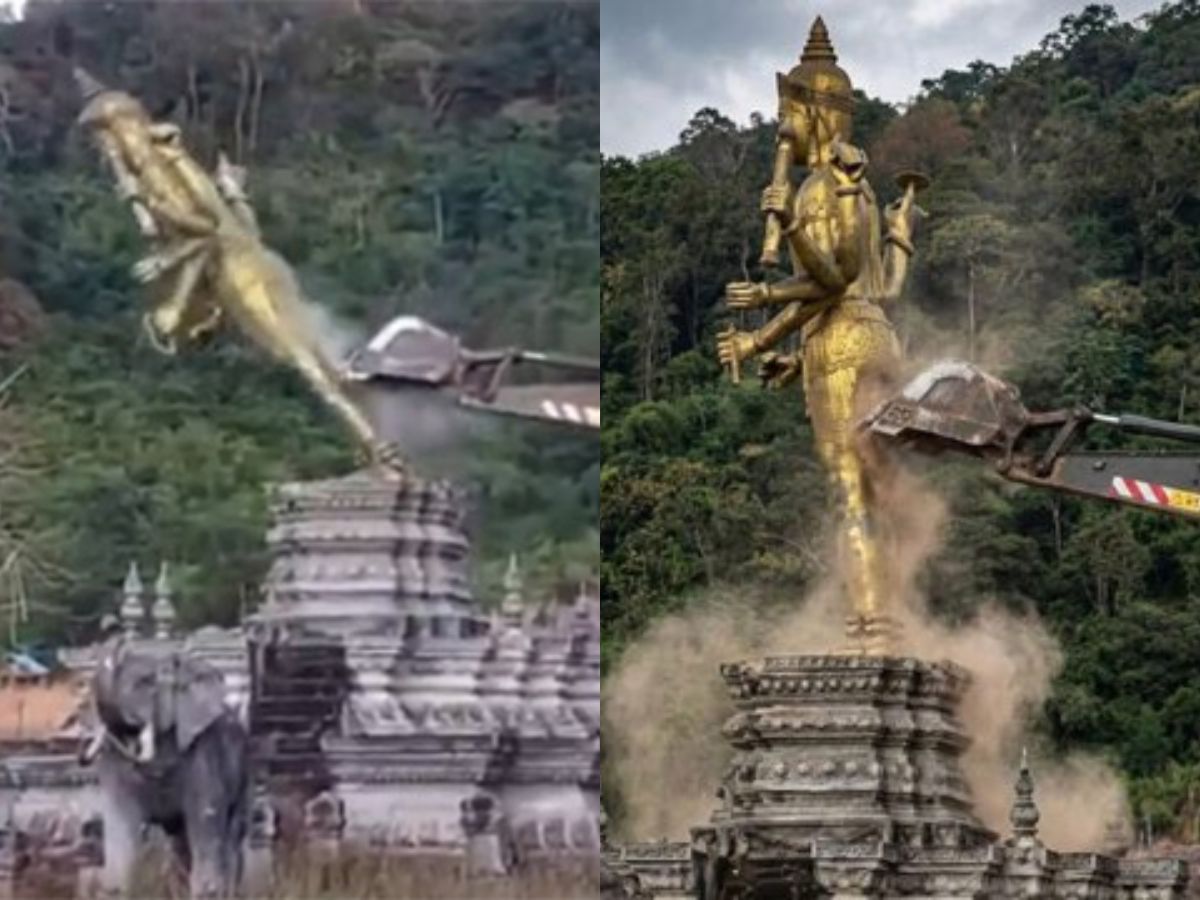
The controversy began after reports emerged that a statue of the Hindu deity was damaged during military activity in a disputed border zone. As visuals spread online, the issue drew attention far beyond the region, prompting India to step in with a firm statement on religious respect and shared heritage.
What Happened to the Lord Vishnu Statue?
The statue of Lord Vishnu, built in 2014, stood close to the Thailand-Cambodia border in the An Ses area. Cambodian officials claimed the structure was well within their territory when it was damaged.
“The statue, built in 2014, was inside our territory in the An Ses area,” Cambodian government spokesman Kim Chanpanha said. He added that the demolition happened about 100 metres (328 feet) from the border with Thailand.
A Google Maps assessment later showed the statue’s location to be around 400 metres from the border line, according to reports.
Cambodia Condemns Damage to Religious Sites
Cambodia strongly criticised the incident and linked it to broader damage caused during border clashes. “We condemn the destruction of ancient temples and statues that are worshipped by Buddhist and Hindu followers,” Chanpanha said.
Cambodian officials have repeatedly accused Thailand of damaging religious and cultural sites along the disputed frontier. They argue that such acts deepen mistrust and inflame tensions in an already volatile region.
‘Hurt the Sentiments Globally’: India’s Response
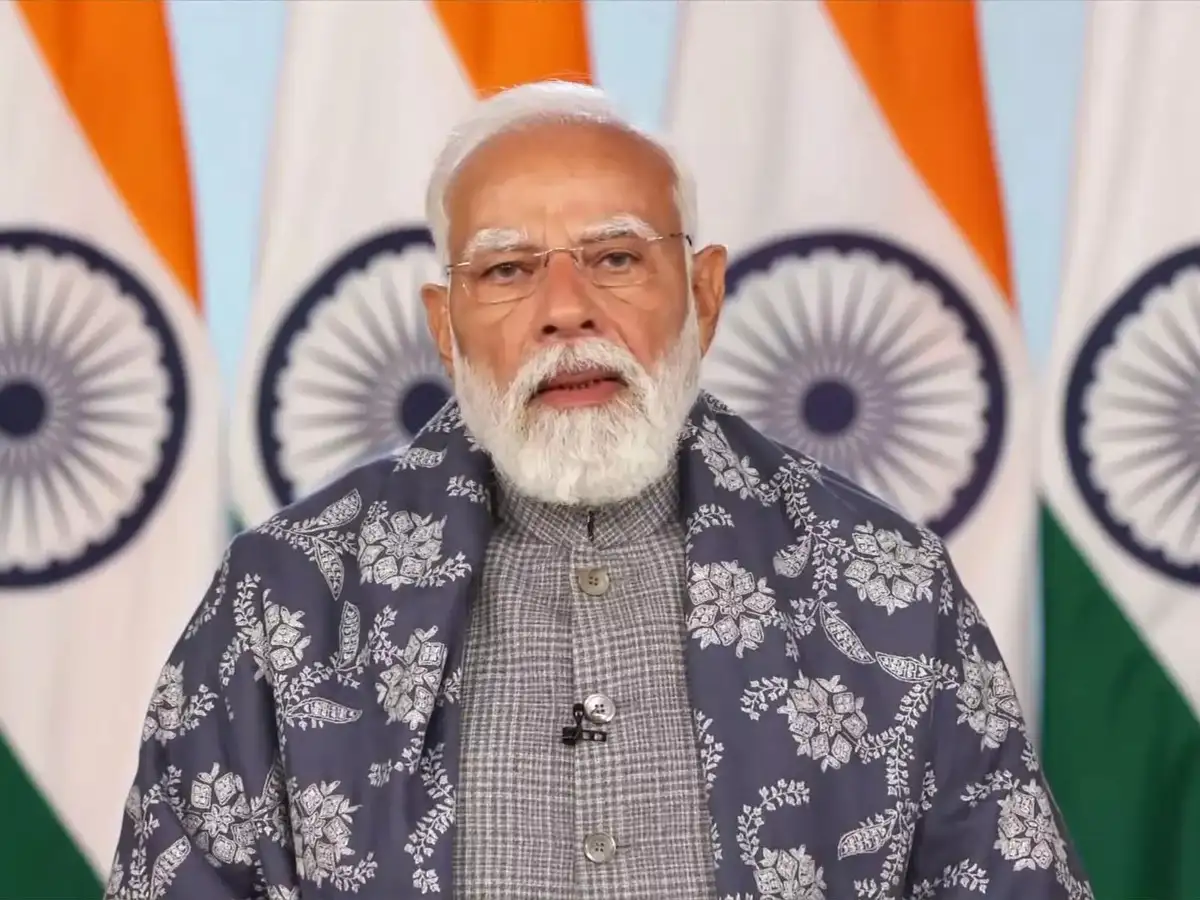
India also reacted sharply, stressing that religious symbols must be protected regardless of territorial disputes. “We have seen reports on the demolition of a statue of a Hindu religious deity, built in recent times, and located in an area affected by the ongoing Thai-Cambodia border dispute,” External Affairs Ministry spokesperson Randhir Jaiswal said.
“Hindu and Buddhist deities are deeply revered and worshipped by people across the region, as part of our shared civilizational heritage,” he added. India urged both sides to avoid actions that damage faith and culture. “Notwithstanding territorial claims, such disrespectful acts hurt the sentiments of followers around the world, and should not take place,” Jaiswal said.
Thailand-Cambodia Border Dispute Explained
The border conflict between Thailand and Cambodia has flared up again this month after years of relative calm. Official counts suggest more than 40 people have died, while nearly a million have been displaced due to the fighting.
Both countries have accused each other of provoking violence and targeting civilian areas. Cambodia alleges that Thailand damaged temples during military operations. Thailand claims Cambodian forces were positioning troops near centuries-old religious structures.
Why the Statue Row Matters Beyond the Border?
The incident highlights how cultural and religious heritage often becomes collateral damage during territorial conflicts. Analysts warn that attacks on sacred symbols can quickly escalate tensions by drawing emotional reactions from communities worldwide.
India’s intervention reflects a growing emphasis on cultural diplomacy and heritage protection. By framing the issue as one of shared civilisation, New Delhi has widened the conversation beyond borders and military claims.
Calls for Dialogue and Heritage Protection
As fighting continues, pressure is mounting on both Thailand and Cambodia to return to talks. Observers say safeguarding religious sites could help de-escalate tensions and rebuild trust.
For now, the damaged Vishnu statue stands as a reminder that conflicts do not only redraw borders—they also scar history, faith, and collective memory.