The Bangladesh interim government has strongly condemned the brutal killing of Dipu Chandra Das, a Hindu garment factory worker beaten and burned to death by a mob in Mymensingh district.
Officials called the incident a heinous criminal act and vowed action against those responsible. The killing has sparked protests, arrests, international criticism, and raised urgent questions about minority safety and mob violence in the country.
Bangladesh Protest: What Happened to Dipu Chandra Das?
On December 18, Dipu Chandra Das, who worked at a garment factory in Bhaluka upazila, was attacked by a mob after rumours spread that he had insulted religious sentiments. The crowd dragged him from the factory, beat him to death, then tied his body to a tree and set it on fire.
Law enforcement later recovered his body and sent it for autopsy. Despite the severity of the mob attack, investigators say there is no direct evidence that Das made any derogatory remarks about religion.
Bangladesh Protest: Government Response: ‘Heinous Criminal Act’
The interim government in Dhaka called the lynching a heinous criminal act with no justification. Officials stressed that Bangladesh must not tolerate violence or vigilante justice. The government assured the public that those responsible “will not be spared.”
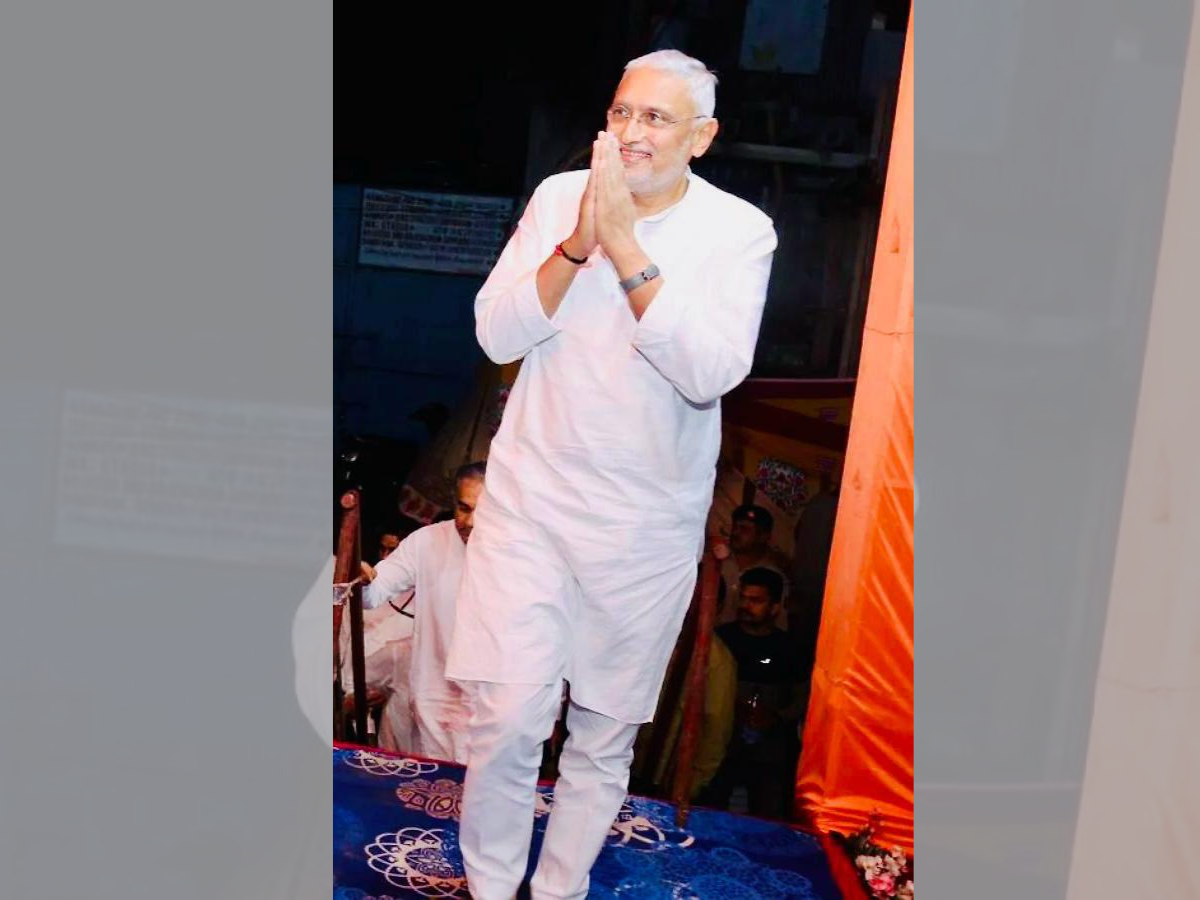
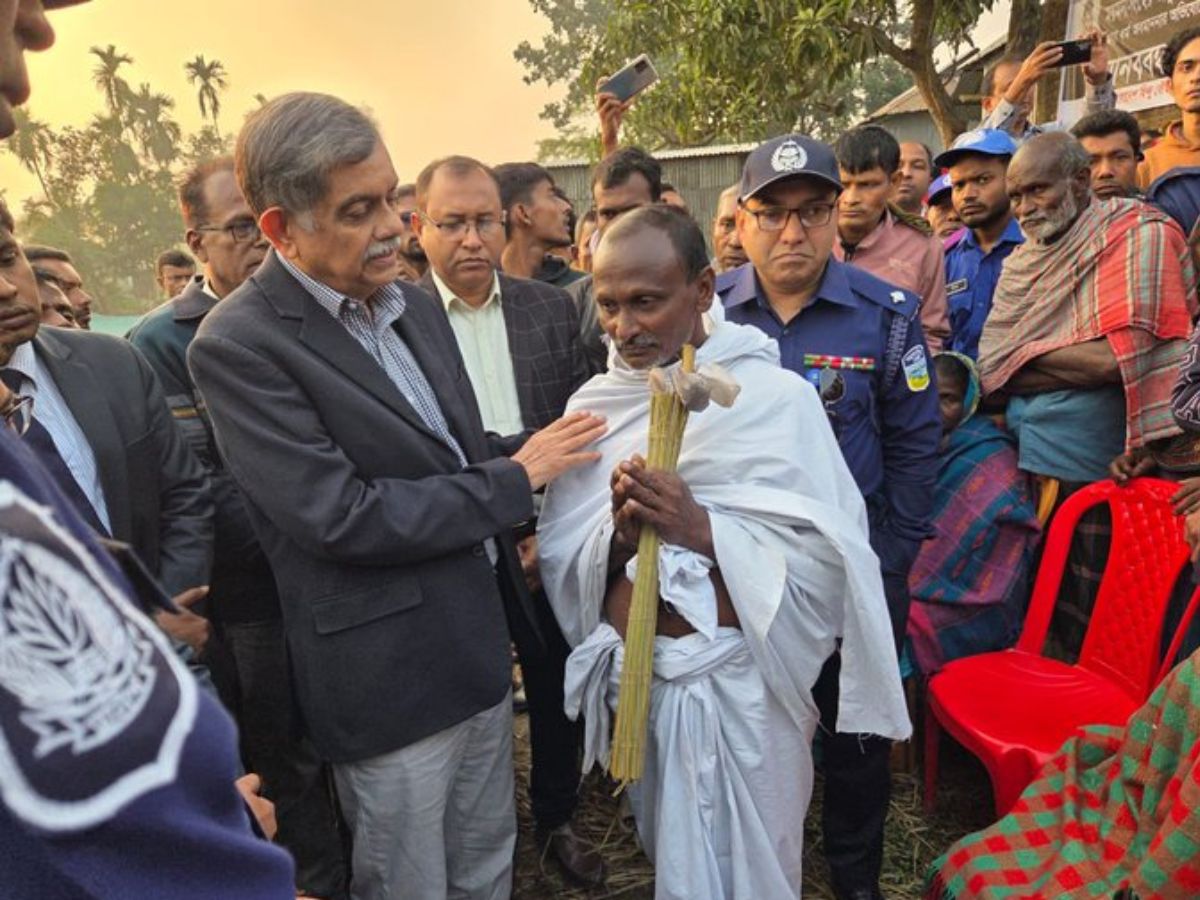
Education Adviser Professor C.R. Abrar visited Das’s family to offer condolences and support, underlining the government’s commitment to provide help during this difficult time.
Bangladesh Protest: Arrests and Legal Action
Authorities have arrested multiple suspects linked to the lynching. A local court placed 12 accused individuals on three-day remand, and police continue to track others involved.
Security agencies say some arrests include factory officials and workers who allegedly handed Das over to the mob instead of protecting him.
Bangladesh Protest: Protests and Public Outrage
The killing has triggered protests both within Bangladesh and abroad. In New Delhi, hundreds gathered near the Bangladesh High Commission to demand justice and condemn the violence against minorities. Some protests turned tense, with clashes reported between demonstrators and police.
Minority groups in Bangladesh have also expressed anger, accusing authorities of failing to protect vulnerable communities and prevent mob justice.
Bangladesh Protest: International Reaction
Global figures and lawmakers have condemned the violence. UN Secretary-General António Guterres urged steps to protect all citizens, especially minorities. U.S. and other leaders called for transparent investigations and accountability for those responsible. These reactions underline concerns about rising communal violence and the need to uphold human rights.
Bangladesh Protest: Uncertainty Over Motive
While rumours of blasphemy triggered the attack, police investigations have found no evidence that Das made offensive remarks or posted anything that could have sparked religious outrage. Some local sources suggest the incident may have roots in workplace disputes and long-standing tensions, though this has not been officially confirmed.
Broader Concern for Minority Safety
Human rights advocates point to a wider pattern of violence targeting religious minorities in Bangladesh in recent months. Reports cite thousands of incidents involving attacks on minority communities, sparking calls for stronger protection and enforcement of the rule of law.
The lynching of Dipu Chandra Das has become a focal point for broader debates on justice, social harmony, and national identity in Bangladesh.