312
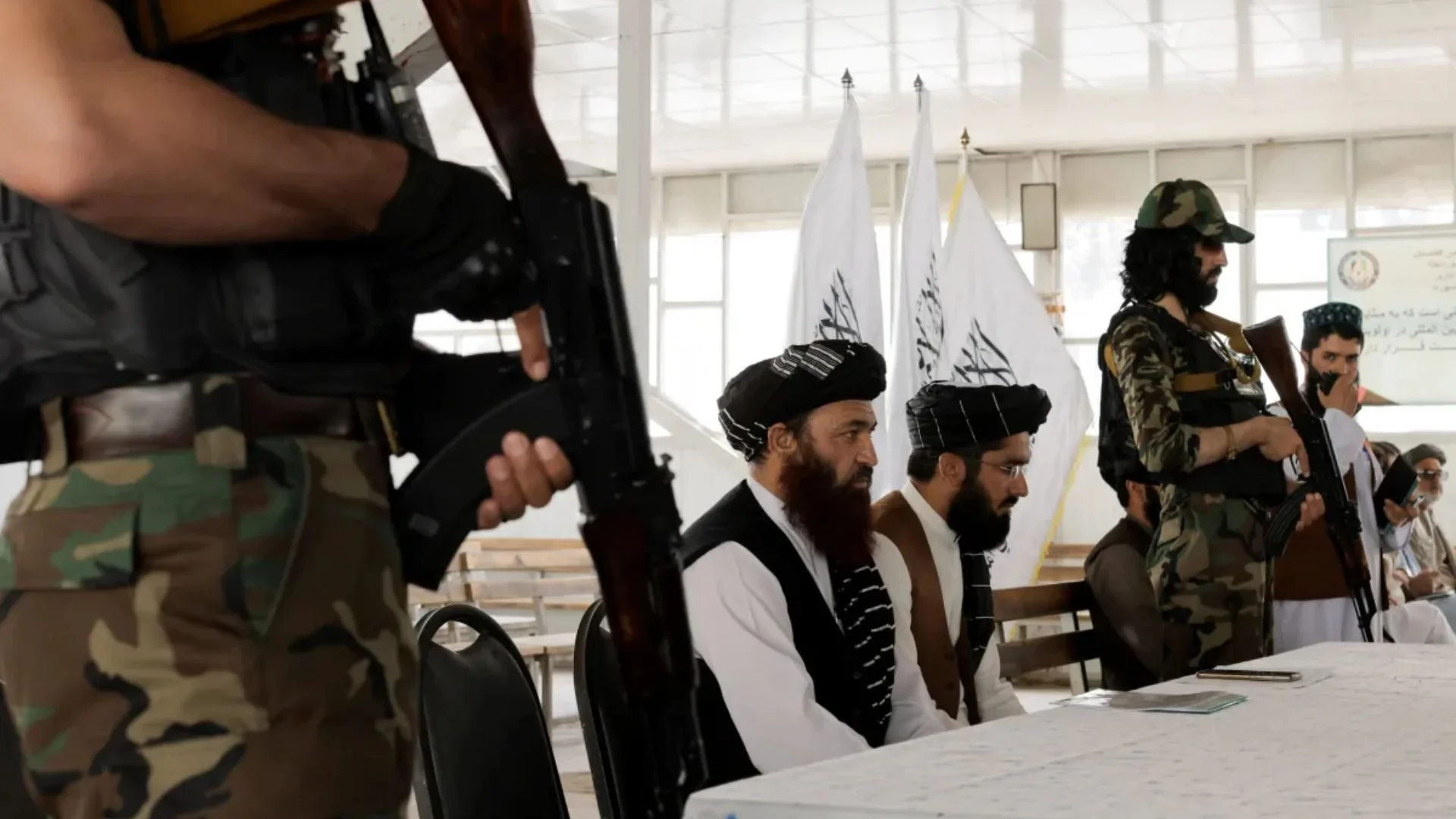
Since taking back power, the Taliban has pushed the effort to infuse its hardline ideology into Afghanistan’s institutions, employing religious education as a primary vehicle for retooling society. In prisons and rehabilitation camps, and even in army bases and schools, the organization is implementing programs based on its austere interpretation of Islam.
A recent instance was a highly publicized graduation ceremony in a drug treatment center in the Herat province. Hundred recovering patients were given certificates upon graduating from a Taliban-backed course in the recitation of Quran. Wearing traditional white robes and Taliban flags in their hands, participants celebrated not just the completion of their treatment but also their induction into the group’s religious ideology.
Syed Asad, another attendee, reported that he started learning the Quran while he was recovering and had memorized a number of passages. The authorities hold that such religious education is designed to advance moral reform and individual healing. Yet the curriculum extends considerably beyond religious education.
Herat’s anti-narcotics head Hayatullah Rouhani confirmed that in addition to Quranic recitations, the Taliban held classes where patients sang anthems celebrating the group’s 20-year conflict. The anthems celebrated violence, suicide attacks, and combat operations, perpetuating a “jihadist narrative” aimed at glorifying the Taliban’s past and instilling loyalty.
The problem is not religious education per se, but the ideological material that is being taught. The complaint is that this specially designed curriculum encourages extremism and invites a climate conducive to joining the ranks of the Taliban. During the insurgency by the group, madrasahs operated as recruitment centers with students being indoctrinated and put on the battlefield.
Now, with total authority over the nation’s schools, prisons, and mosques, the Taliban is imposing its ideology with renewed energy. Schools, mosques, and colleges are being brought back into line with a strict, dogmatic strain of Islam, one well out of touch with most interpretations followed throughout the Muslim world.
Graduation ceremonies for religious education, which are attended by prominent Taliban leaders, underscore the strategic significance of this ideological war. The leadership of the group regularly encourages Afghans to seek religious education albeit strictly under their own interpretation of Islam.
This broad drive to impose Taliban-style religious principle has the potential to mainstream religious extremism within Afghan society. Under the banner of slogans calling for Sharia implementation and the institution of an “Islamic system,” the Taliban is seeking not only political supremacy, but also ideological mastery redefining Afghan identity to guarantee its enduring grip on power.