
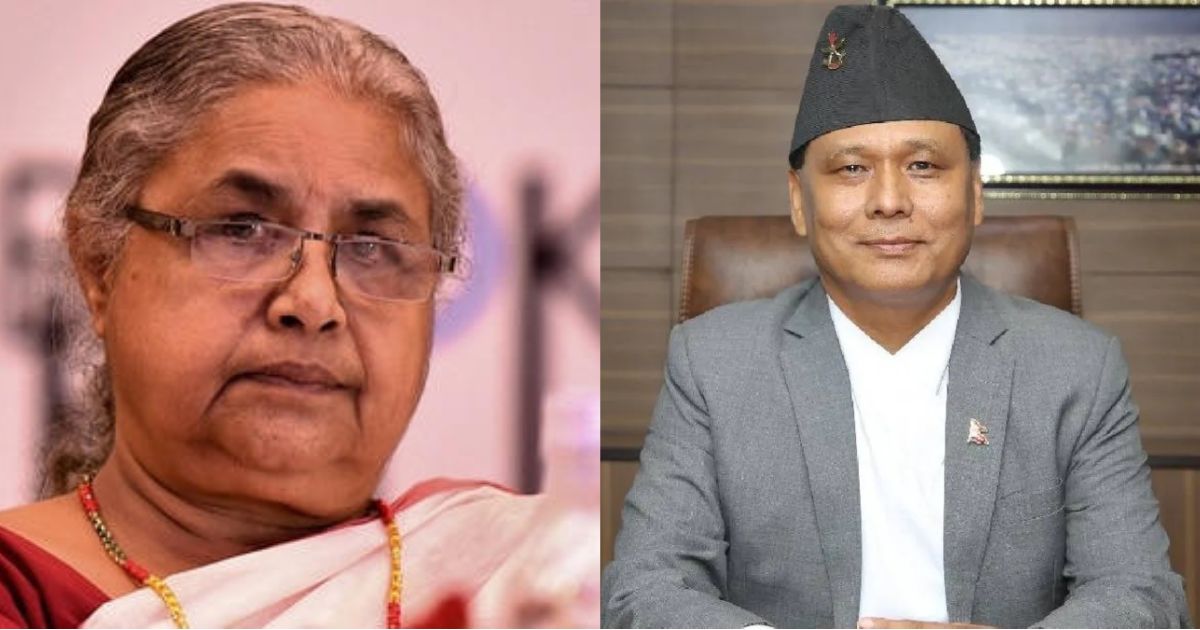
Gen Z Protesters- Karki Or Ghising
In the increasing divisions, Nepal’s Gen Z protesters have put forward Kulman Ghising, a former head of Nepal Electricity Authority who is credited with putting an end to the country’s paralyzing power outages, as the interim government head. This is after rejecting former Supreme Court Chief Justice Sushila Karki, claiming that her appointment would only further cause trouble.
In a meeting with protest representatives, President Ramchandra Paudel and Army Chief Ashok Raj Sigdel, protest leaders demanded Ghising’s leadership, calling him a patriotic leader “beloved by all.” Ghising, 54, is widely admired for breaking continuing blackouts that once plunged the nation into darkness for up to 18 hours a day.
ALSO READ: Where is KP Sharma Oli Now? Former Nepal PM Claims He’s Still in Nepal, Blames India for Fall
Rift Within Protesters Over Interim Leader
Nonetheless his popularity, Ghising’s candidacy is not in everyone’s favour. In a press conference, We Nepali group leader Sudan Gurung expressed support for Sushila Karki, claiming that the former Chief Justice could head an interim government. He also repeated the group’s demand for Parliament’s dissolution prior to constituting an interim government.
The split highlights the difficulty of consensus building within the protest movement, which has exponentially grown but is split by choices over leadership.
ALSO READ: Who is Kulman Ghising? Nepal’s ‘Power Crisis Hero’ & PM Frontrunner
Nepal’s Gen Z Uprising Gains Momentum
The protests began with a highly criticized government move to block 26 social media platforms including Facebook, X, and YouTube. The protest which started has now become a national uprising against corruption, nepotism, and a lack of opportunities for youth.
Confrontations with security forces have turned violent, with more than 34 protesters killed and over 1,000 injured since protests broke out. Prime Minister KP Sharma Oli resigned on Thursday under the pressure, but the unrest is far from declining.
The Nepali Congress, the largest party in the parliament, has shown a willingness to cooperate with the Gen Z movement, but emphasized that any change must follow constitutional procedures. Meanwhile, negotiations at Army Headquarters here in Kathmandu remain tense, with Sushila Karki and pro-monarchy activist Durga Prasai among those attending the negotiations.
With the power struggle mounting, Nepal’s young people are at the center, fighting to get a government that will promise their style of accountability and transformation.