
Jakarta Grapples with Unrest Amid Growing Anger
Indonesia is confronting its most serious wave of unrest in years as deadly protests against corruption, economic struggle, and disparity spread nationwide. The violence escalated following the death of a motorcycle taxi driver, struck by a police car during a protest in Jakarta, to spark national fury.
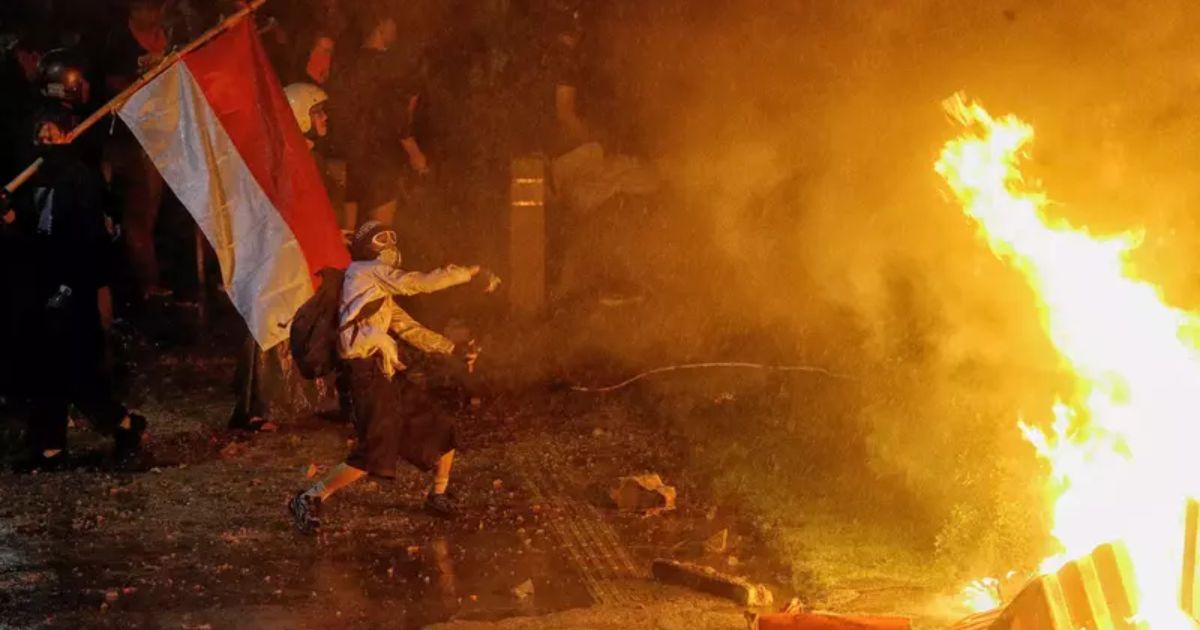
During a TV address on Friday, President Prabowo Subianto called for stability, asking citizens to “trust the government and my leadership.” His message, though, did not calm tensions. Demonstrators retaliated by throwing stones at police, burning a five-storeyed building close to the mobile brigade headquarters in downtown Jakarta, and challenging security forces despite torrential rains.
Grievances Over Inequality and Corruption
At the core of the protests are widespread grievances about cost-of-living pressures, meager salaries, and widespread corruption. Anger was fuelled in the public after it emerged that Indonesia’s 580 lawmakers get a monthly housing allowance of 50 million rupiah ($3,000) close to ten times Jakarta’s minimum wage and much more than salaries in poorer provinces.
Organisers of the protest, such as the Gejayan Memanggil movement, called for deep salary reductions for members of parliament as “corrupt elites.” The protesters also asked for pay rises pegged to inflation, alleging that the common Indonesians are being squeezed by higher taxes and prices. Prabowo, who had made a commitment to raise economic growth to 8 percent over five years, is now being questioned about whether his lofty commitments will survive increased international and domestic pressures.
Violence Spreads Across Cities
The protests, which started earlier this week with clashes outside the parliament of Indonesia, gained momentum after a video of 21-year-old delivery driver Affan Kurniawan was killed went viral. His killing became a symbol of state brutality, which further aggravated the anger against the security forces.
In Jakarta, protesters fought with riot police, burned cars, and obstructed major highways. The same occurred in Surabaya, where protesters took over the governor’s office, and in cities like Yogyakarta, Medan, Bandung, Makassar, and even remote Papua. Security personnel used tear gas, water cannons, and mass detention but to no avail, as the protests raged on into the evening.
ALSO READ: Indonesia Cracks Down on ‘Haram’ Loudspeaker Trucks Shaking Villages
What’s Next for Prabowo?
Prabowo called for a “thorough and transparent investigation” into Kurniawan’s death, an action that is widely regarded as a test of the credibility of his administration. But worries linger whether or not the ex-general would uphold democratic rules or break back to strongman methods.
The disturbances have already shaken Indonesia’s financial markets, with the shares dropping 1.5 percent and rupiah depreciating against the US dollar. Experts are cautioning that if economic conditions further deteriorate, the protests can get fiercer, presenting the most daunting challenge for Prabowo’s presidency since he was sworn in in October.