
China has sharply denounced a plan by Japan to deploy medium-range surface-to-air missiles on Yonaguni, a tiny Japanese island just 68 miles east of Taiwan, as a deliberate provocation. Beijing said Tokyo was trying to “stoke regional tension and provoke a military confrontation.”
Why Is China So Angry About Yonaguni?
According to Chinese Foreign Ministry Spokesperson Mao Ning, the missile deployment is driven by “right-wing forces” in Japan that are pushing the region toward instability. She added that such actions risk dragging the entire region into military peril and confidently said that China is “determined and capable” of defending its sovereignty.
Beijing has framed the deployment in the context of recent inflammatory comments by Japanese Prime Minister Sanae Takaichi, who suggested a Chinese attack on Taiwan could lead to a Japanese military response. Mao used this linkage to argue that Tokyo’s move is not simply defensive — but part of a broader, aggressive posture.
What Exactly Is Japan Planning on Yonaguni?
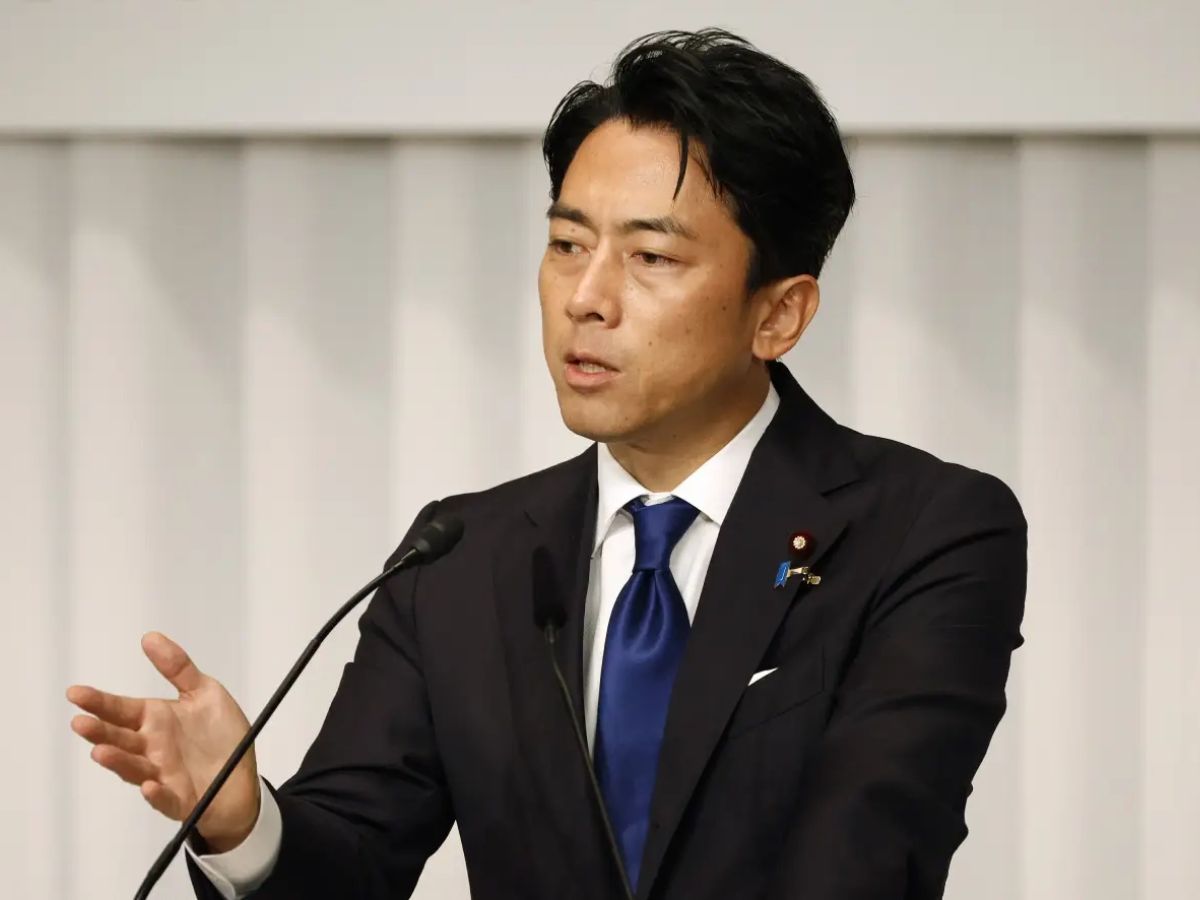
Japanese Defense Minister Shinjiro Koizumi said the deployment of missile units is “steadily moving forward” on Yonaguni. He justified the move as necessary for Japan’s territorial security and to deter a possible threat. Koizumi has argued that placing missiles there will reduce the risk of an armed attack on Japan.
Its geographic significance is not lost on Tokyo: tiny Yonaguni lies very close to Taiwan and is strategically valuable as a forward defense position. By housing missile systems there, Japan can signal strength and potentially deter or delay hostile action in its southwestern islands.
How has China responded so far?
Public reactions from Beijing have been forceful. Along with Mao’s strong verbal condemnation, Chinese state media and policy voices have suggested that Japan’s actions could escalate the risk of a military showdown in East Asia.
China has traditionally taken a dim view of military deployments near Taiwan, viewing them through the lens of its long-standing “One China” policy. Any escalation near the Taiwan Strait is especially sensitive, and this missile plan has reopened broader fears of regional militarization.
How Is Taiwan Reacting to the Deployment?
In Taipei, Deputy Foreign Minister Francois Wu took a more measured tone recognizing Japan’s sovereign right to enhance its defenses. He welcomed the possibility that Japan’s posture could contribute to stability in the Taiwan Strait on the grounds that a more robust Japanese presence would deter rather than provoke.
Wu emphasized that Tokyo’s military preparations are not necessarily a sign of hostility toward Taiwan, but an important counterweight in one of the most volatile regions.
What does it mean for regional stability?
Analysts warn the deployment could dramatically raise the risk of miscalculation: China may see it as a threat to its strategic interests, while Taiwan and Japan may view it as a defensive necessity a dangerous dynamic. If this plan goes through, it might significantly raise the ante in East Asian security competition, with Taiwan finding itself right in the middle again. Power balances could shift, while trust between Beijing and Tokyo may get further eroded.