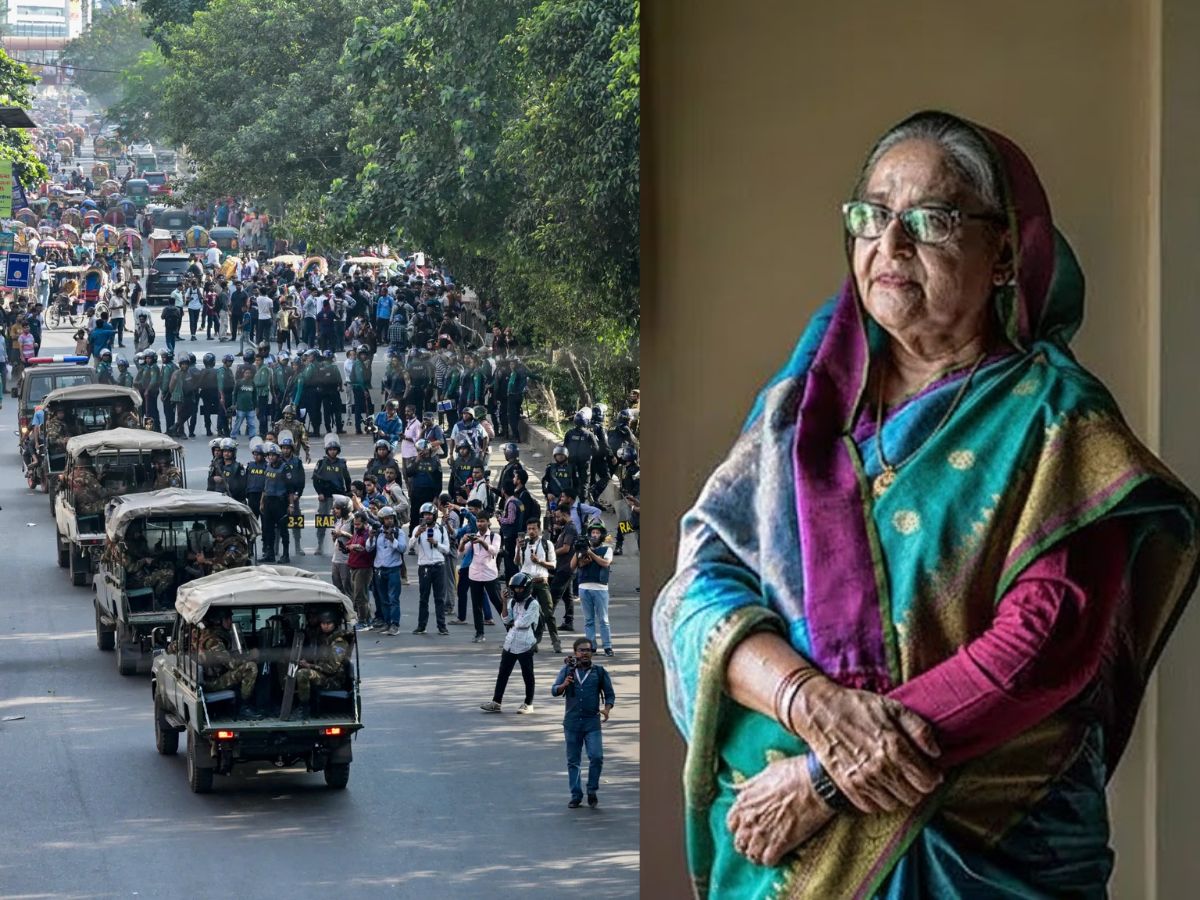
A Bangladesh war crimes court has handed former Prime Minister Sheikh Hasina a death sentence, a ruling she instantly rejected as a political misuse of the legal system. Judges held her responsible for “crimes against humanity” linked to her government’s violent response to student protests in August 2024, a decision that has jolted the country’s already tense political scene.
What Were the Specific Charges Against Hasina?
The International Crimes Tribunal (ICT), presided over by Justice Mohd Golam Mortuza Majumder, delivered its judgment on Monday, November 17. The bench stated that Sheikh Hasina, along with her former Home Minister Asaduzzaman Khan Kamal and former police chief Chowdhury Abdullah Al-Mamun, acted “in connivance with each other to commit atrocities.” The court was unequivocal in its finding that their goal was to kill protesters nationwide. It detailed how Hasina’s government ignored student demands and that she made derogatory remarks, labeling the protesters as ‘Razakars‘.
Also Read: Sheikh Hasina Sentenced to Death: Where Is Bangladesh’s Former PM Now & Where Does She Live?
How Did the Court Treat Her Co-Accused?
In a notable contrast, the court demonstrated clemency for one of the three accused. While Hasina and former Home Minister Kamal received the death penalty, former police chief Chowdhury Abdullah Al-Mamun was pardoned. The judgment highlighted that Al-Mamun “sought an apology from the tribunal and the people of the country.” The contrasting judgments show the court’s view that some defendants showed regret, while others were blamed as the main actors behind the violent crackdown.
What Was Sheikh Hasina’s Immediate Response?
Minutes after the verdict was announced, Sheikh Hasina issued a powerful statement rejecting the court’s legitimacy. She labeled the judgment “biased and politically motivated.” While acknowledging the student protests as a “tragedy,” she defended her government’s actions, stating they were taken in “good faith” to “minimise the loss of life.” Her core argument was that the court fundamentally misread the facts, characterizing a loss of control over a chaotic situation as a “premeditated assault on citizens.”
Also Read: ‘We Regret…’ UN Regrets Death Sentence for Sheikh Hasina Amid Tribunal Verdict
Can the Sheikh Hasina Appeal the Verdict?
The central legal question now is about the possibility of an appeal. Yes, under Bangladeshi law, Sheikh Hasina can appeal the verdict in the Supreme Court. But a major political condition has been tied to this right. Her son and adviser, Sajeeb Wazed, said they will only appeal once a democratically elected government is in power with the Awami League included. This sets the stage for a protracted legal and political stalemate.