
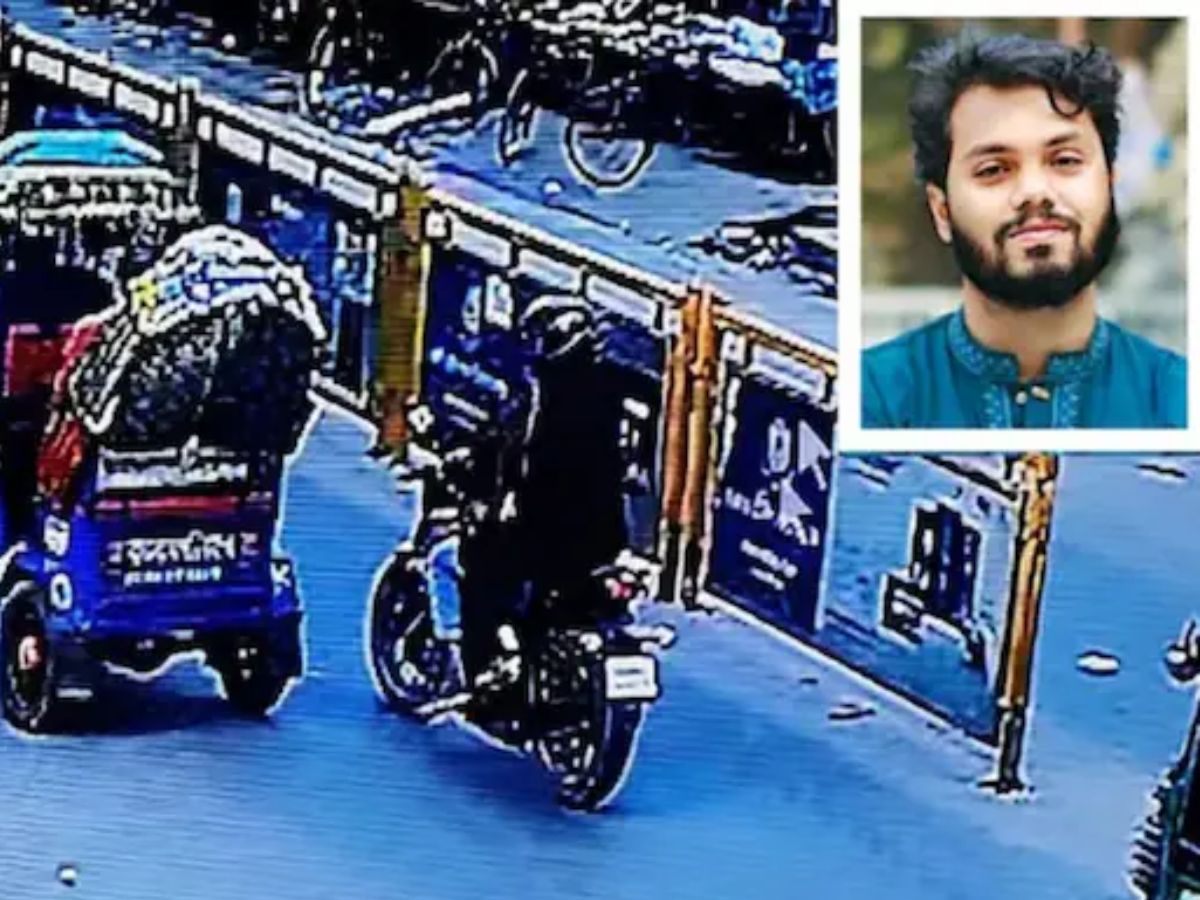
Bangladesh’s investigation into the killing of student leader Sharif Osman Hadi has taken a cross-border turn. Police officials say the two prime suspects fled the country soon after the murder and entered India through the Haluaghat border. The escape has raised serious questions about border security and regional coordination.
Authorities confirmed that the suspects crossed into Meghalaya, prompting intensified diplomatic and law enforcement engagement between Dhaka and New Delhi.
How Did the Suspects Enter India?
During a press briefing at the Dhaka Metropolitan Police media centre, Additional Commissioner SN Nazrul Islam revealed key details of the escape route.
“According to our information, the suspects entered India via the Haluaghat border. After crossing, they were initially received by an individual named Purti. Later, a taxi driver named Sami transported them to Tura city in Meghalaya,” he said.
Police identified the suspects as Faisal Karim Masud and Alamgir Sheikh. Investigators believe they used local networks on both sides of the border to evade arrest.
Indian Authorities Detain Alleged Facilitators
Bangladeshi officials said Indian agencies have detained two individuals accused of helping the suspects travel inside Meghalaya. These arrests have strengthened hopes of a coordinated crackdown.
“We are maintaining communication with Indian authorities through both formal and informal channels to ensure their arrest and extradition,” Nazrul said.
Officials stressed that cooperation remains active as the case now involves multiple jurisdictions.
Who Was Sharif Osman Hadi?
Sharif Osman Hadi was a rising student leader and political organiser. He belonged to the anti-Sheikh Hasina platform Inqilab Manch. He had also announced his candidacy for the upcoming February elections.
Hadi was campaigning as an independent candidate from the Dhaka-8 constituency when he was shot. His killing shocked the political landscape and triggered nationwide outrage.
Why Is the Case Politically Sensitive?
Inqilab Manch played a major role in last year’s July uprising in Bangladesh. The movement eventually led to the removal of former Prime Minister Sheikh Hasina.
After Hadi’s killing, protests erupted across several cities. Supporters accused authorities of failing to protect opposition voices. The group warned of sustained agitation if justice is delayed.
Border Security and Election Concerns
The escape of suspects has reignited debate over porous borders between Bangladesh and India. Security experts say such incidents could impact regional stability, especially ahead of elections.
The case also raises concerns over political violence and safety for candidates during campaign periods.
Bangladesh police continue to gather digital and human intelligence. Officials say extradition efforts remain a priority. Further arrests are expected as investigators trace the support network that enabled the escape.
For now, the killing of Sharif Osman Hadi remains a flashpoint in Bangladesh’s tense political climate.