
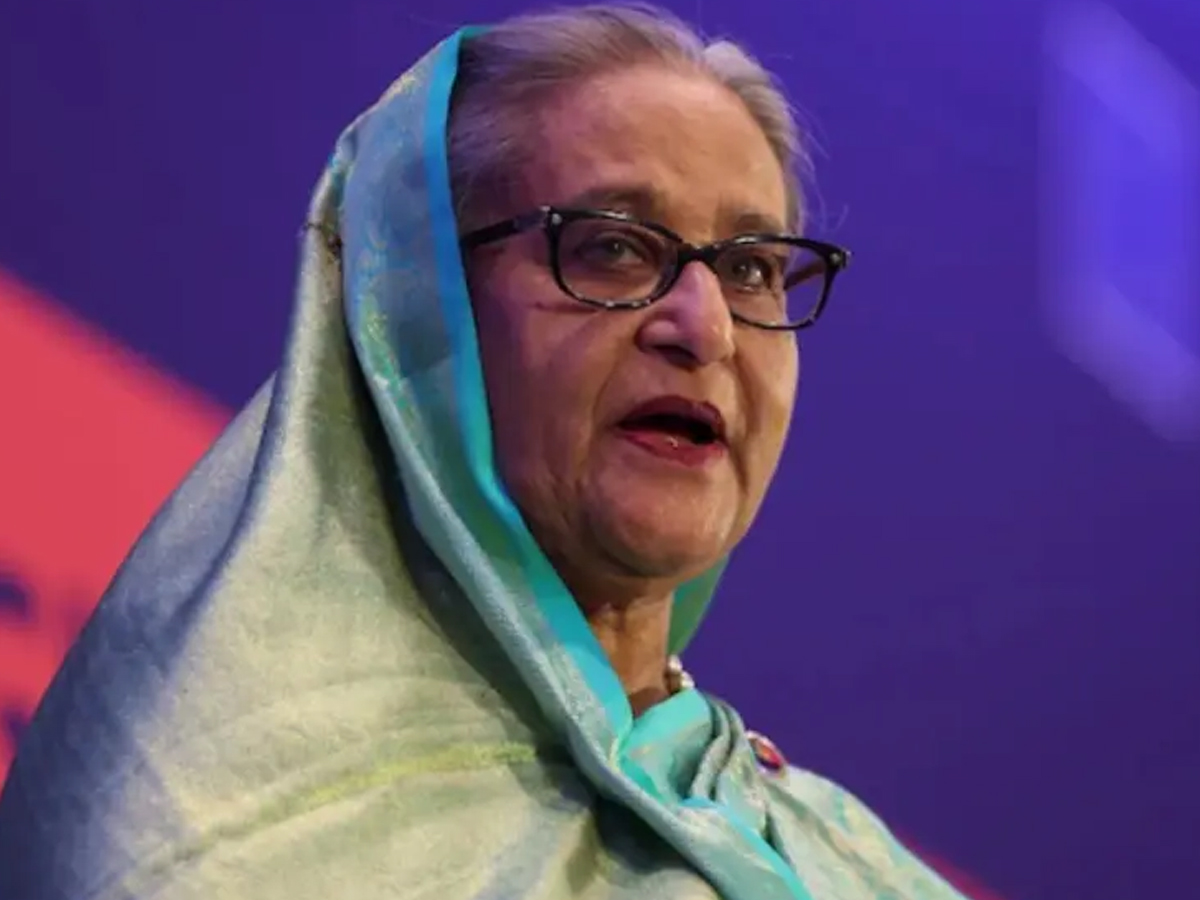
Bangladesh’s interim government has intensified its push to bring back former prime minister Sheikh Hasina and ex-home minister Asaduzzaman Khan Kamal from India. Dhaka is now preparing to seek Interpol’s help after both leaders were sentenced to death over last year’s student protest crackdown.
Bangladesh Moves to Involve Interpol
Bangladesh is preparing to seek assistance from Interpol to extradite former prime minister Sheikh Hasina and former home minister Asaduzzaman Khan Kamal. The interim government, led by Muhammad Yunus, wants both leaders returned to face the verdict announced by the International Crimes Tribunal (ICT).
Hasina and Kamal were handed death sentences in absentia for “crimes against humanity” linked to the violent student protests of July 2024. The tribunal accused them of ordering a brutal crackdown that caused widespread deaths and injuries.
Dhaka Prepares Formal Extradition Request
The Chief Prosecutor’s Office of the ICT is drafting a detailed extradition request. According to a report by The Daily Star, the Bangladesh foreign ministry will send the letter to New Delhi in the coming days.
Hasina fled Bangladesh on August 5, 2024, during the peak of the student movement and has been living in India since then. Kamal has also remained outside Bangladesh following the unrest.
The Bangladesh foreign ministry invoked the India–Bangladesh extradition treaty and said New Delhi has an obligation to cooperate. The letter stated, “Providing refuge to these individuals, who have been convicted of crimes against humanity, by any other country would be a highly unfriendly act and a disregard for justice.”
India Reacts Cautiously to the ICT Verdict
India responded carefully to the tribunal’s ruling. The Ministry of External Affairs said that it noted the ICT verdict and remains committed to supporting stability in Bangladesh.
The MEA statement said, “As a close neighbour, India remains committed to the best interests of the people of Bangladesh, including in peace, democracy, inclusion, and stability in that country. We will always engage constructively with all stakeholders to that end.”
However, India did not comment on the extradition request. A Reuters report quoted an Indian government source saying the extradition process is long and requires detailed scrutiny. India must first examine tribunal documents to verify due process, legal representation, and the credibility of witness statements.
Officials also pointed out that India cannot make any move without reviewing all tribunal records. They highlighted that exemptions under the extradition treaty apply if the case appears politically motivated — a factor that could influence India’s final decision.
Tension Rises as Dhaka Presses New Delhi
The Bangladesh interim government has maintained a strong tone. It said that India’s refusal to return Hasina would be seen as “a highly unfriendly gesture and an affront to justice.”
With Dhaka preparing to involve Interpol, diplomatic pressure between the two neighbours is expected to grow. The coming weeks may decide how the case moves forward and whether India will cooperate with Bangladesh’s demand.