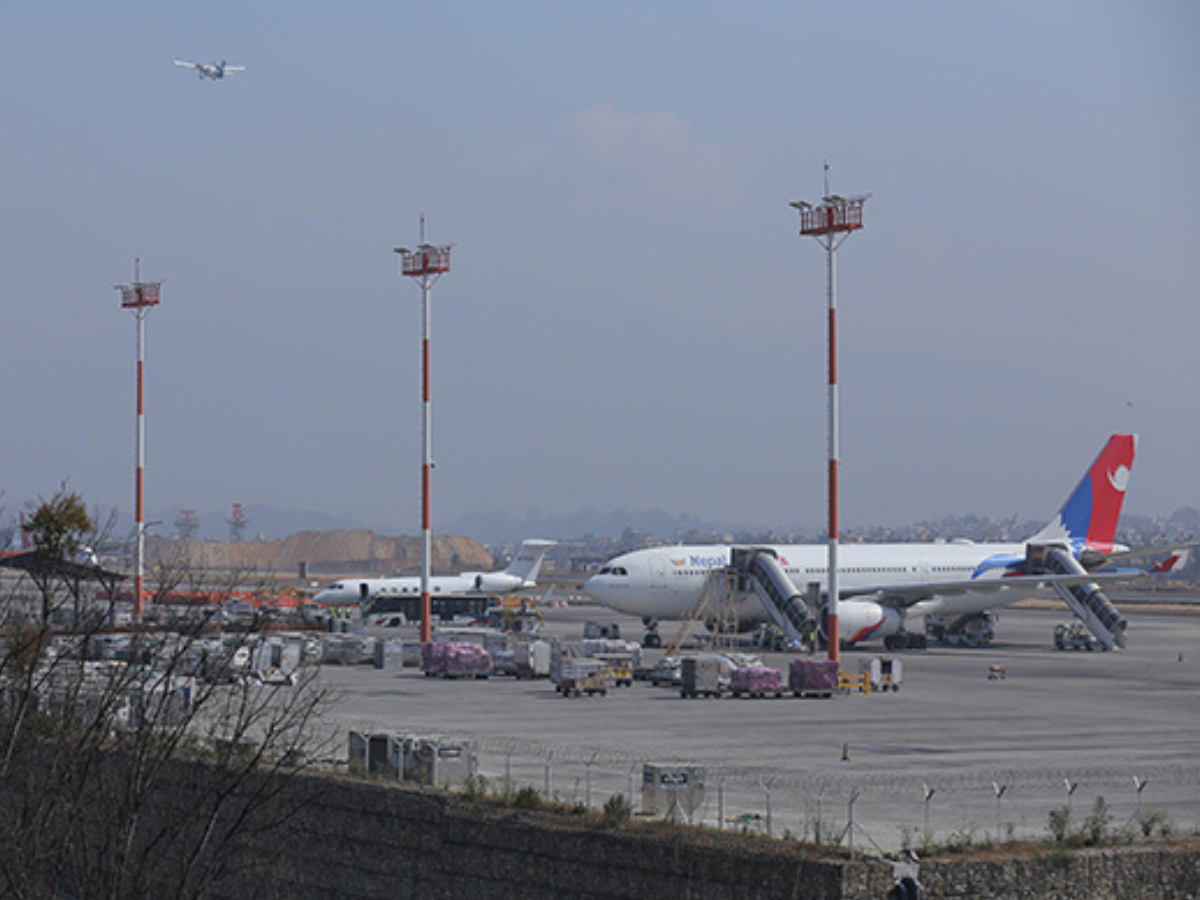
The Kathmandu International Airport was suddenly shut down amid Gen Z protests that immersed Nepal, killing at least 19 people, according to Reuters, citing the country’s civil aviation authority.
Large carriers of India, such as Air India and IndiGo, released travel advisories to the public. Air India, without any further notice, canceled a number of flights on the Delhi-Kathmandu-Delhi route, while apologizing that passenger and crew safety was its primary concern. IndiGo suspended all Kathmandu ongoing operations, allowing refunds and alternate travel arrangements for their passengers.
Political Leaders’ Residences Attacked
Videos on the Internet quickly went viral in which the top politician of Nepal’s residence was vandalized in and around the Kathmandu Valley. The unrest began after the government banned social media sites, excluding TikTok, triggering widespread discontent over corruption and poor governance in a matter of hours. After an hour, the government of Kathmandu imposed a curfew around the capital city.
During the mounting unrest, Prime Minister Khadga Prasad Oli stepped down on Tuesday, stating that he would immediately resign from his post. Protesters had burnt down the residences of notable personalities of Nepal, such as Congress leader Sher Bahadur Deuba, President Ram Chandra Poudel, Home Minister Ramesh Lekhak, and many more.
Also Read: India Borders on High Alert After Nepal PM KP Sharma Oli Resignation Amid Protest | Watch
Why Are People Protesting?
The demonstrations started outside Parliament on Monday, initially to protest against the ban on popular social media platforms such as Facebook, X, and YouTube. The sites had been blocked for not registering with the government as per a new law.
Also Read: Nepal PM KP Sharma Oli Resigns After Deadly Crackdown Kills 19
Youth-Led “Gen-Z Protest”
In defiance of the bans, thousands of youth protesters mobilized via TikTok and VPNs. An anti-nepotism hashtag campaign blossomed into a large “Gen-Z Protest.” The initial calls for mobilization were issued by a Kathmandu youth group comprised primarily of under-28s, followed by another group called “Nepo Kids.”
Having faced growing unrest, the government relaxed the social media ban late Monday evening, although registration requirements still persist for close to two dozen networks.
Also Read: Nepal Protests: What’s Next for PM KP Sharma Oli and His Government?