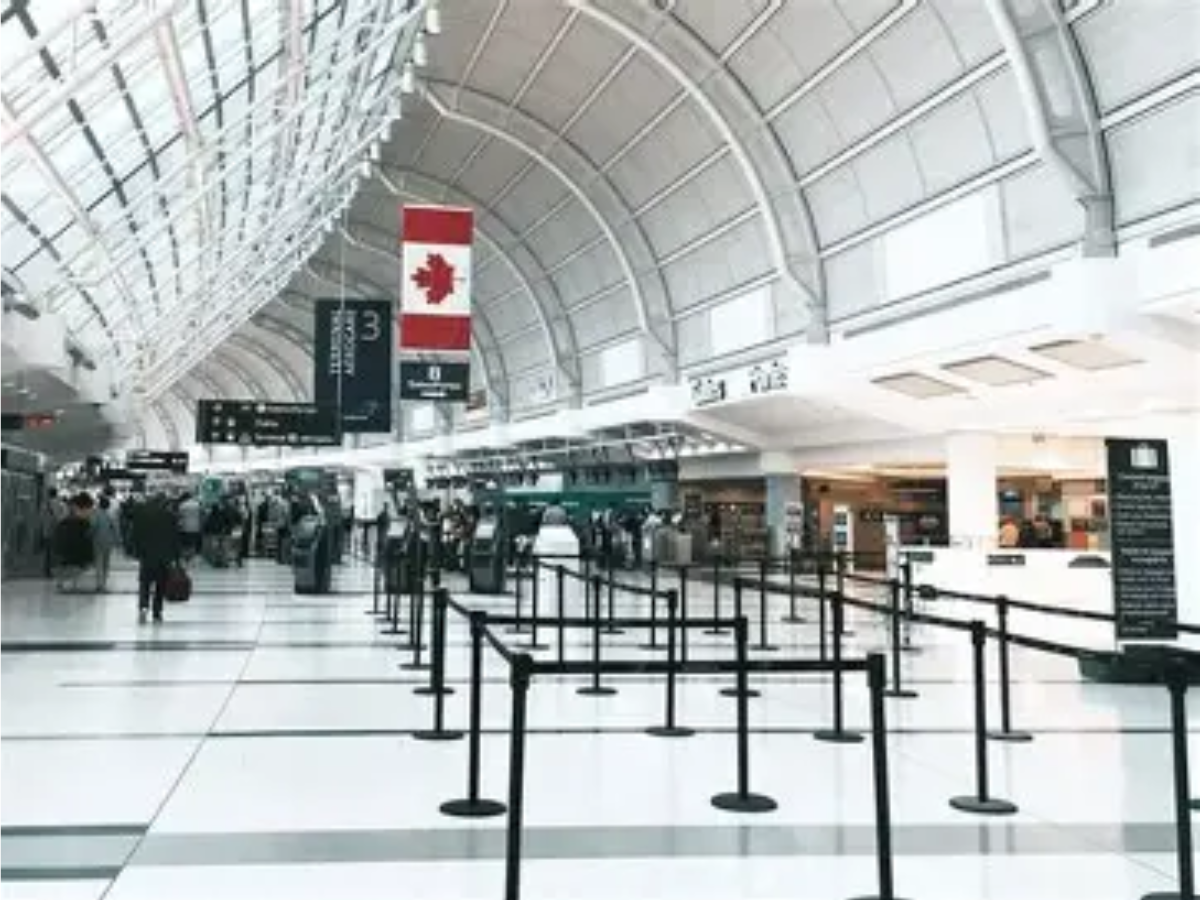
An enormous operational failure at Air Canada on Friday saw the carrier’s flight attendants go on strike, grounding almost all services of the airline.
The industrial action, conducted by 10,000 members of the Canadian Union of Public Employees (CUPE), brought the near collapse of the country’s flagship carrier and its subsidiary, Air Canada Rouge.
The carrier confirmed the suspension late Friday, stating 623 flight cancellations left more than 100,000 passengers stranded across the world. The strike formally commenced early Saturday when the last-ditch efforts to reach an agreement before the deadline fell through.
India-Canada Travel Disrupted
The cancellations had devastating effects on international travel, especially passengers flying between Canada and India. The direct flights from Toronto, Vancouver, and Montreal to New Delhi were cancelled, alongside flights to Calgary with London stopovers. Air Canada began pulling down its long-haul operations even before the strike started, connecting Canadian metros to critical Indian destinations including Mumbai, Hyderabad, Amritsar, Ahmedabad, Chennai and Kochi.
ALSO READ: Summer Travel At Risk: Air Canada Cancels Flights Ahead Of Major Attendant Strike
A message shared on X stated that nearly 25,000 passengers returning from India were stranded after the airline cancelled several flights ahead of time, citing the union’s unwillingness to cooperate on the limited return services.
As of 8 pm EDT on August 15, 2025, this is the operational wind down impact due to the impending CUPE strike:
Total flights cancelled: 623
People impacted: 100,100For information on options if you are scheduled to travel soon: https://t.co/d1FmV1udLI pic.twitter.com/nFPRjW2pga
— Air Canada (@AirCanada) August 16, 2025
Disputes Over pay and Working Condition
The flight attendants’ strike arose from a stalemate in negotiations over pay raises and better working conditions. Multiple rounds of negotiations were attempted by the Union before the July 29 strike deadline, but no agreement was reached.
The union insists that the workers’ demands are both reasonable and justifiable, whereas the airlines say that the magnitude of the disruption could have been avoided.
Travel Industry’s Take
Impeding the actual situation, some travel experts feel that the disruption might receive a partial cushioning.
ALSO READ: Trump-Putin Alaska Summit: Stakes High for India Amid Trade Tensions with US Tariff bomb
According to Vibhor Chhabra, director of Grand Travel based out of Toronto, once rebooked, passengers have an option of flexibility flying aboard Air Canada being in the Star Alliance network. Supportive in that context, Air India and several European carriers run alongside in the same alliance, thus giving affected passengers the opportunity to be accommodated on alternate flights. Yet he believes that delays and inconveniences are unavoidable.
What Future Holds
The strike highlighted the vulnerabilities of global travel networks and, equally, the dependence on Air Canada for passengers’ connectivity between North American and India.
While negotiations remain at a deadlock, there is some worry about when a return to normal services might be instituted. In the interim, rerouting and short-term fixes can provide partial relief to the thousands caught in this disruption.
ALSO READ: From Laos to Brazil: Trump’s Tariff Strategy Hits Global Economies Hard