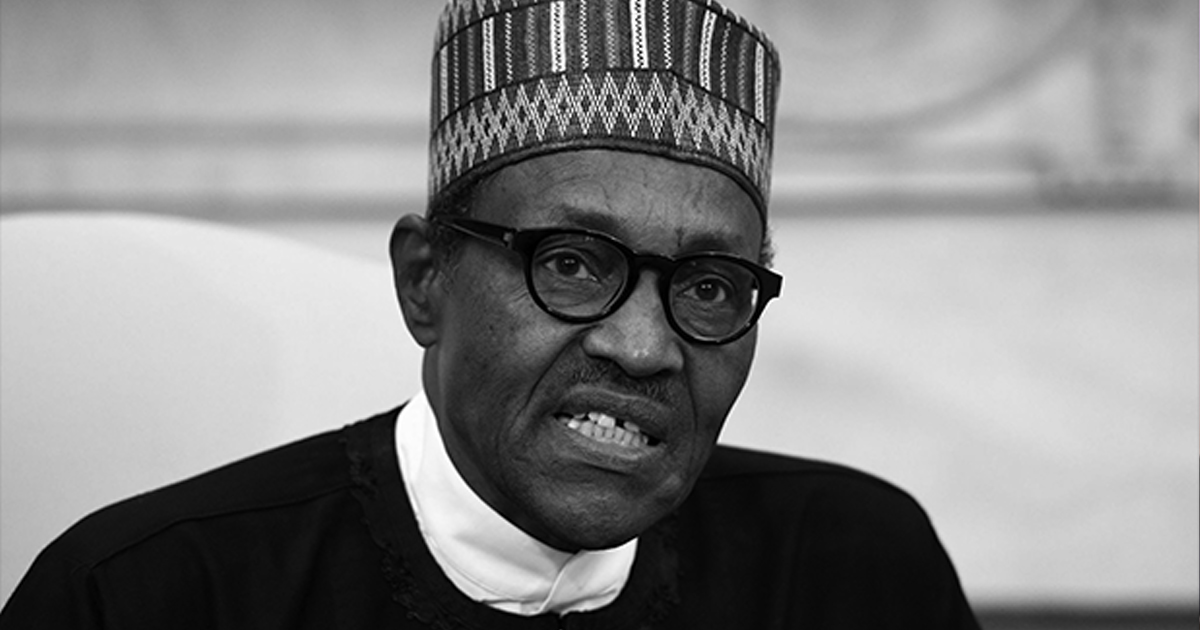
Former Nigerian President Muhammadu Buhari, who became the first person to oust an incumbent president through a democratic election in 2015, has died in London at the age of 81. The news broke on Sunday afternoon, with confirmation from President Bola Tinubu’s spokesman in a statement on X (formerly Twitter).
Buhari died at around 4:30 PM (1530 GMT) after a long illness, the official statement added.
His passing brings an era to a close for Nigeria, the most populous nation in Africa, where Buhari had a lasting presence throughout military and civilian rule for more than four decades.
A Soldier-Turned-Politician
Born on December 17, 1942, in Daura, Katsina State, Muhammadu Buhari started his career in the Nigerian Army when he was 19 years old. Having worked his way up to the rank of major-general, he seized power in 1983 after a military coup, citing a necessity to bring back discipline and accountability.
Famous for his no-nonsense stance and his strong anti-corruption line, Buhari was a military dictator for 18 months until he was toppled in a coup by Ibrahim Babangida in 1985.
Buhari moved into civilian politics over the next three decades, presenting himself as a “converted democrat.” He stood for office several times in smaller parties before he was eventually successful in 2015 when he beat then-President Goodluck Jonathan in what was universally regarded as Nigeria’s most credible election to date.
Challenges During Civilian Presidency
Buhari’s presidency from 2015 to 2023 was defined by his promises to root out corruption, revive the economy, and tackle the country’s worsening security crisis. While his anti-corruption messaging won him widespread support, especially in northern Nigeria, critics pointed to slow decision-making and economic missteps.
Delays in forming his cabinet earned him the nickname “Baba Go Slow,” especially as Nigeria slipped into its first recession in over two decades, largely triggered by declining global oil prices.
Under Buhari, security challenges escalated beyond the northeast’s Boko Haram insurgency, with banditry and armed attacks spreading to the northwest and southeast regions. Efforts to contain the violence met limited success, often straining the country’s already overburdened security forces.
He was re-elected in 2019, but frustrations mounted over economic stagnation, rising military fatalities, and allegations of human rights violations by Nigerian security forces.
A Lasting Legacy
Despite controversies, the 2015 victory of Buhari revolutionized Nigerian politics by demonstrating that democratic change via the ballot was achievable. His years in office had a mixed legacy—acclaimed for honesty and rectitude, but discredited for economic mismanagement and for not being able to stem violence.
Nigeria and the wider African political world have started to pay homage to a commander who embodied both armed forces discipline and democratic aspiration.