
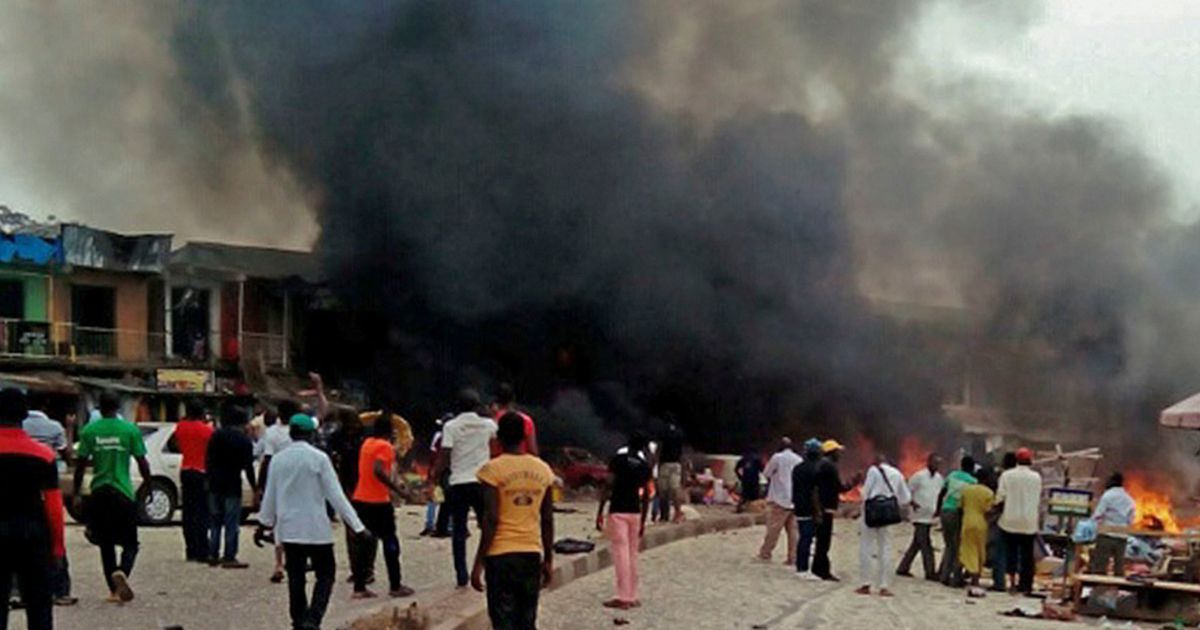
At least 27 worshippers were killed and a number of other people injured when armed attackers attacked a mosque in Nigeria’s Katsina state during morning prayers, local officials said.
The attack occurred about 04:00 GMT in Unguwan Mantau, a rural town in the Malumfashi local government area. Locals claimed that gunmen fired on Muslims as they congregrated for their morning prayer, leaving the town shocked.
Rising Violence in Northwestern Nigeria
No one has yet claimed responsibility for the attack, but similar attacks have become more and more common in northwestern and north-central Nigeria. The area has been beset by repeated clashes between herders and farmers competing for limited land and water resources, which have turned deadly in recent years.
Analysts and officials have cautioned that increasing numbers of herders are taking up arms, which is exacerbating an escalating fatality count of civilian lives. An attack in the town of Yelwata, north-central Nigeria’s Benue State, in June left more than 100 individuals dead, which led Amnesty International to urge the government to stop the “almost daily bloodshed” in the region.
ALSO READ: Vanished On The Water: Dozens Missing After Nigerian Market Boat Mysteriously Capsizes
Security Forces Respond
After Tuesday’s attack, Katsina State Commissioner Nasir Mu’azu announced the deployment of army and police troops to Unguwan Mantau to avoid further attacks. He clarified that criminals tend to take cover in farmland during the rainy season and attack villages with minimal warning.
Villagers in the area reported scenes of pandemonium as survivors made a run for the mosque during the firing. Hospitals within the area have been overburdened with treating the injured, further placing urgency on security deployments.
The assault highlights the chronic security issues plaguing Nigeria’s northwest and central parts of the country. Contrary to misconceptions, tensions between herders and farmers remain a driving factor behind cycles of lethal violence, exposing isolated communities to vulnerability.
The authorities have called for civilians to remain watchful and collaborate with security agencies, while human rights activists keep pushing for stronger efforts to shield civilians from increasingly bold attacks.