
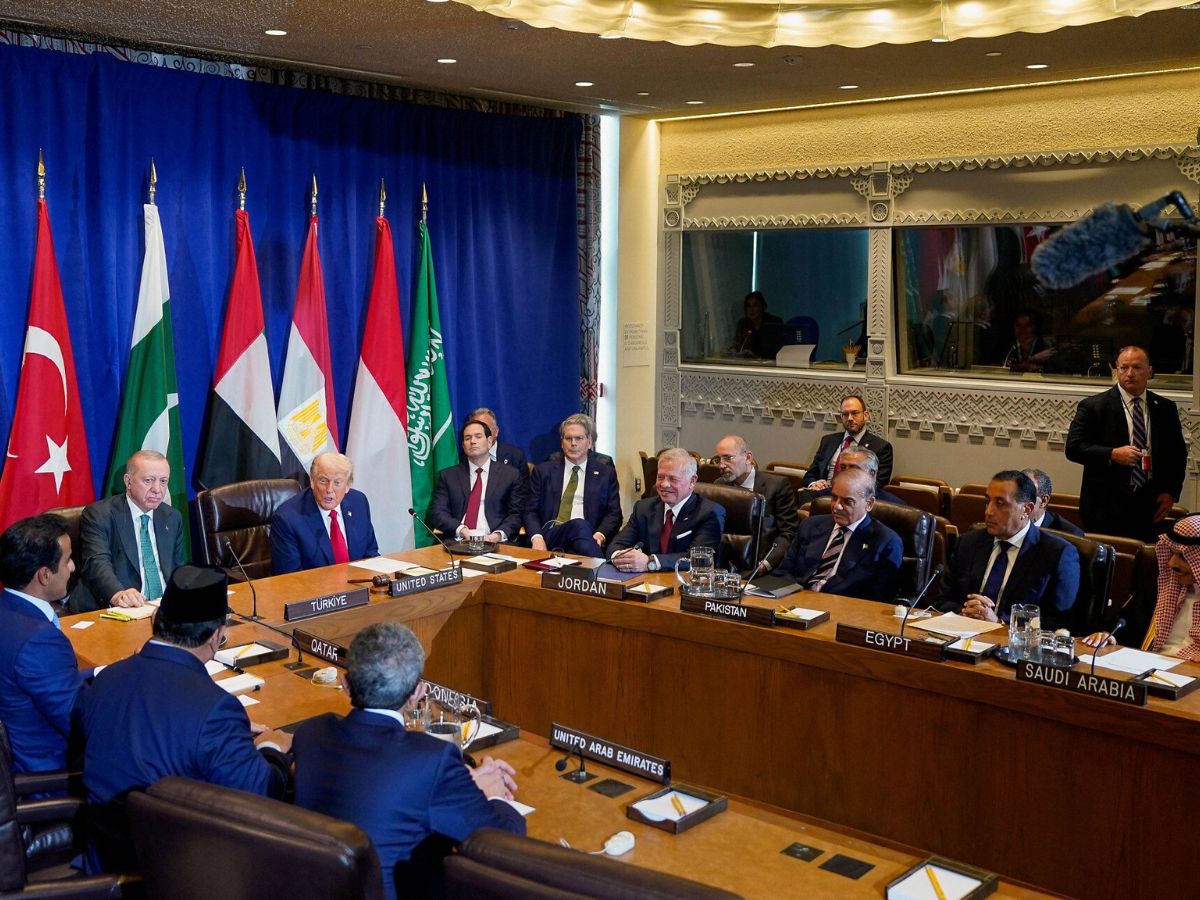
With a critical deadline set by US President Donald Trump just hours away, a powerful coalition of Arab and Muslim leaders is applying intense pressure on Hamas to accept a US-backed peace proposal for Gaza. The unified push reflects a deep regional yearning to stop the two-year-long war and to keep the flames from engulfing the wider Middle East.
What is in the 20-Point Peace Plan?
The proposal, unveiled during Israeli Prime Minister Benjamin Netanyahu’s visit to Washington earlier this week, outlines a phased path to ending the conflict. Crucially, Hamas was not involved in the negotiations that led to the plan.
What are the key demands of the proposal?
The peace plan calls for an immediate ceasefire and the release of all hostages, dead or alive, within a 72-hour window. Its most significant long-term demands are the complete disarmament of the Hamas militant group and a gradual withdrawal of Israeli forces from the Gaza Strip. The plan also offers amnesty and safe passage out of Gaza for those militants “who commit to peaceful co-existence.”
Why are Arab Leaders Rallying Behind the Plan?
Despite reported reservations about specific details, influential Muslim nations are throwing their weight behind the proposal. Their endorsement stems from a pressing combination of humanitarian and strategic concerns.
Also Read: Vance Blames Schumer for Shutdown, Citing ‘Political Infighting’ and AOC Fear
What is motivating this unified Arab front?
According to sources familiar with the matter, these leaders view the prolonged Israeli campaign in Gaza and the recent regional escalations as a direct threat to their own national security. The conflict has already expanded, with Israeli strikes targeting Hezbollah in Lebanon, the Houthis in Yemen, and even a failed attempt on Hamas leadership in Doha, Qatar. They hope to stop the violence before it gets out of control by supporting this proposal. According to a Bloomberg article, these officials are more concerned with the pressing need to end the fighting than they are with the specifics of the proposal.
Trump’s Ultimatum and Hamas’s Dilemma
The situation is charged with a tense deadline, creating a high-stakes diplomatic standoff.
What is Trump’s deadline for Hamas?
President Trump issued a stark ultimatum, stating that Hamas had “about three or four days” to accept the proposal. He warned the group would “pay in hell” if it refused. However, a Palestinian source close to Hamas leaders indicated that “no final decision” had been made and that the group “will likely need two to three days” more—potentially setting the stage for a clash with the US-imposed timeline.
How has the plan been received by Palestinian groups?
While Hamas has stated it is still “examining the proposal,” other factions have rejected it outright. Islamic Jihad, a militant group fighting alongside Hamas, slammed the plan as a “recipe for continued aggression” and an attempt by Israel to “impose what it could not achieve through war.” They warned it would fuel further conflict in the region.
Also Read: Jane Goodall Death: Who Were Her Two Husbands, Kids, Career | And Why She Never Remarried
A Forced Hand? The Path Forward
The concerted pressure from both the United States and the Arab world appears to be designed to leave Hamas with few alternatives.
Is Hamas cornered?
An official who was part of the Arab leaders’ discussions in New York last week suggested that Hamas has little choice but to accept the deal. The involvement of key nations like Qatar and Egypt, who handed the plan to Hamas, signals a powerful and rare consensus. Acceptance would mean the group’s disarmament, while rejection would risk isolating it from regional powers and facing the consequences of a continued, expanding war.