
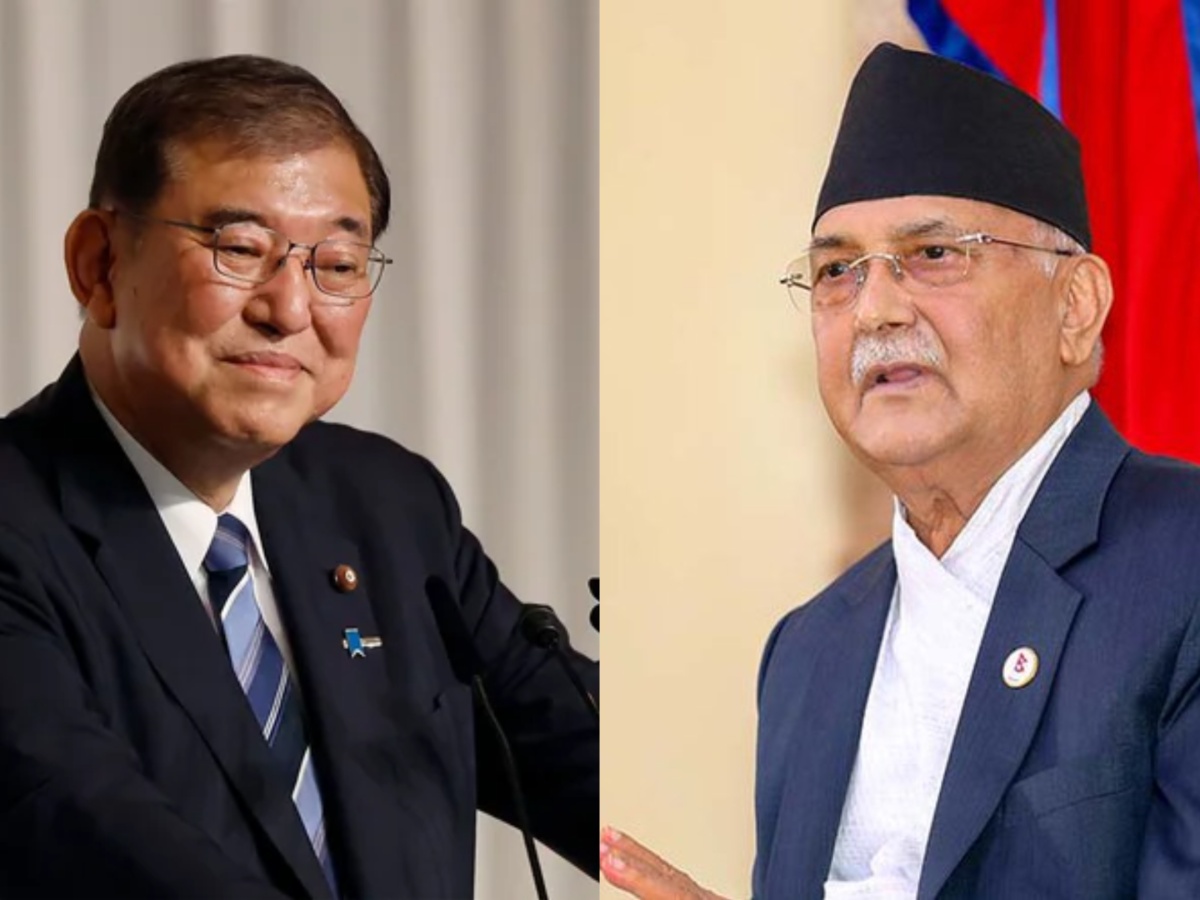
In just 48 hours, the world saw an unusual political shake-up. Prime ministers of France, Japan, and Nepal all stepped down, each facing different but equally pressing challenges and from unpopular economic reforms to election losses and massive protests, these resignations show how quickly public frustration can change a nation’s leadership.
France: Austerity Measures Lead to Confidence Vote Defeat
On September 8, 2025, French Prime Minister François Bayrou stepped down after losing a no-confidence vote in the National Assembly while his government had proposed a massive €44 billion austerity plan to reduce France’s national debt and the plan included freezing welfare payments and cutting some public holidays, which did not sit well with many people. The move angered lawmakers across the political spectrum alos Bayrou’s resignation added to France’s political turmoil and left President Emmanuel Macron with the urgent task of finding a new prime minister.
Read More: 9/11 Explained: Did Baba Vanga and The Simpsons Really Predict the Attacks
Japan: Election Defeats Prompt Leadership Change
Japanese Prime Minister Shigeru Ishiba resigned on September 7, 2025, after his party suffered major losses in the July elections and for the first time in 70 years, the Liberal Democratic Party (LDP) lost its majority in both houses of parliament. Many people blamed the party for rising living costs and economic struggles. Ishiba’s resignation brought an end to a tough year for Japan’s political scene and left the party searching for new leadership.
Nepal: Social Media Ban Sparks Widespread Protests
Nepal’s Prime Minister K.P. Sharma Oli resigned on September 9, 2025, after rioting broke out following the government’s announcement to ban popular social media platforms. The ban to curb cybercrime was interpreted as a curtailment of free speech by many, particularly young people. Security forces cracked down on protests, killing 19 protesters in the process and the uprising led to the Rann being reversed. Oli’s resignation reflected widespread frustration with governance and youth issues in Nepal.
What These Resignations Mean for Governance
These incidents indicate how leadership suffers severely when it neglects public issues and whether it is unpopularity of economic reforms in France, election defeats in Japan, or curbs on freedoms in Nepal, governments cannot afford to dismiss citizens’ anger. The resignations point toward the requirement of responsible leadership, accountability, and policies that resonate with people and nations have to reconcile governance with citizen trust in order to sustain stability and prevent political shocks by surprise.