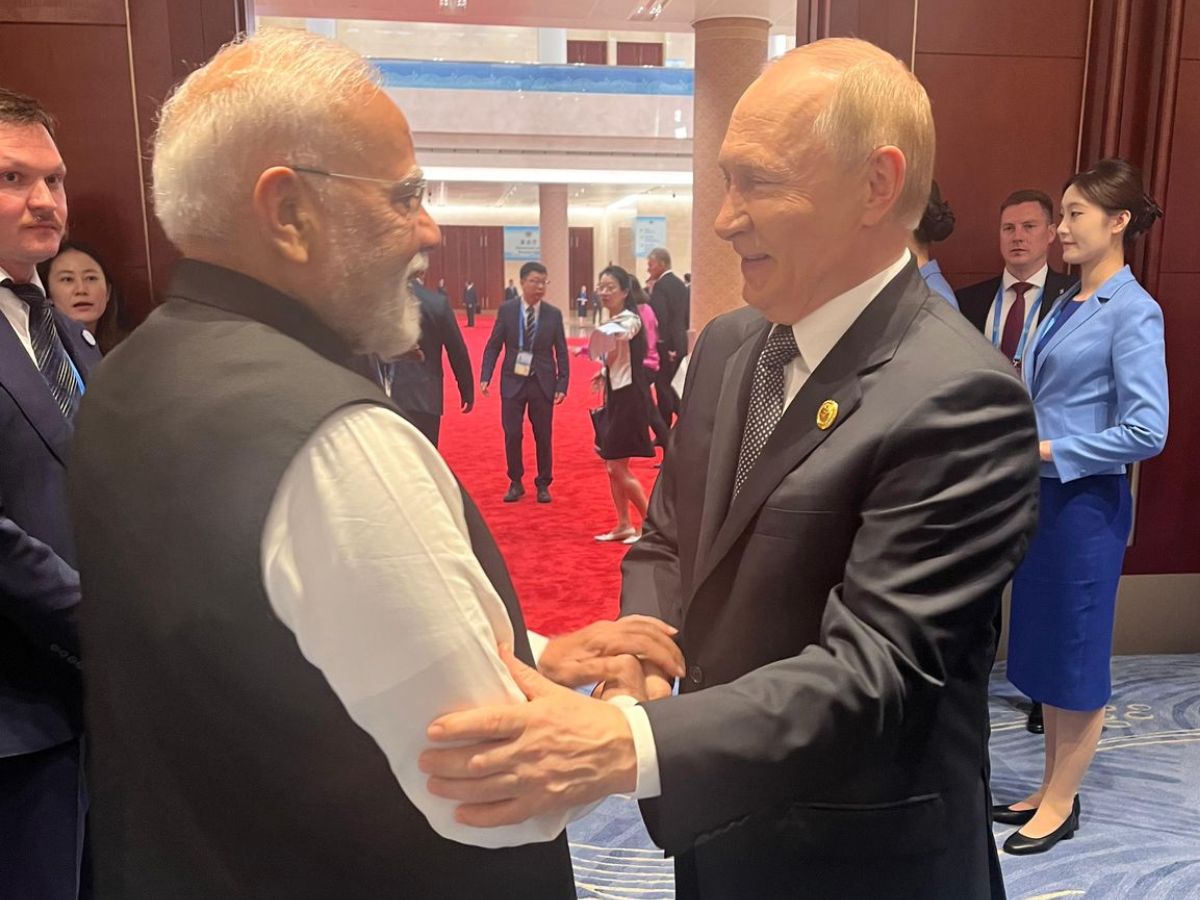
The President of Russia, Vladimir Putin, will be visiting New Delhi on December 4–5 for the 23rd annual India–Russia Summit. This will mark his first visit to India since 2021. The summit comes amid global tensions, U.S. sanctions, and shifting economic conditions as both countries focus on the strategic partnership between them.
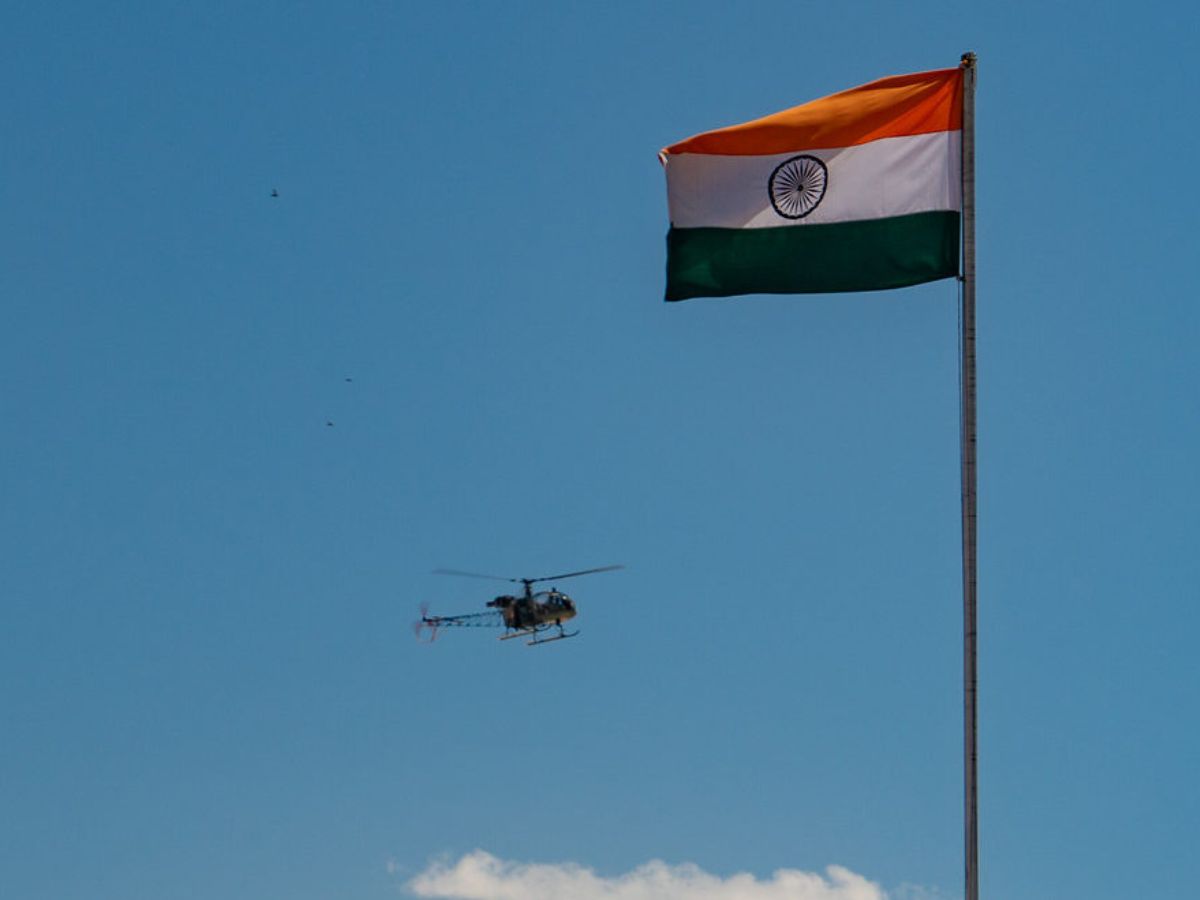
Defence and energy cooperation will be atop the agenda at the summit. India is likely to ask for more S-400 air-defence systems apart from the three that have already arrived, with two more expected to be delivered next year.
Visit of Russian President Vladimir Putin to India
During his visit, Putin is expected to push for more sales of Russian oil, missile systems, and fighter jets, as Moscow seeks to restore energy and defense ties damaged by U.S. pressure. Russia has been one of the largest arms suppliers to India for decades, and India continues to import Russian crude despite Western sanctions imposed after Moscow’s invasion of Ukraine in February 2022.
What is the 23rd India–Russia Summit?
The yearly summit is the high-level meeting at which Indian and Russian leaders discuss strategic, economic, and defense issues. It provides both countries a stable platform through which they work out alignment on global matters and reinforce their bilateral relationship in the face of sanctions, tariffs, and such other global challenges.
India–Russia Summit and U.S. Concerns
A cause for concern, though, is potential U.S. reactions: in August, U.S. President Donald Trump doubled tariffs on Indian goods in response to India’s purchases of Russian crude. Any new energy or defence agreements with Moscow could trigger additional pressure from Washington.
Why the Summit Matters
Michael Kugelman with the Atlantic Council said that will allow India to reiterate its historic friendship with Russia amid the recent complicating factors. He added that India-Russia summits tend to result in concrete outcomes, not just token gestures. The visit may firm up defence ties and pave the way for new arms deals.
Who is accompanying Putin?
Putin will be joined by Russia’s defence minister, senior business leaders, and heads of major oil and banking companies like Rosneft, GazpromNeft, Rosoboronexport, and Sberbank. Moscow is likely to seek India’s help in buying spare parts and technical equipment for its oil industry affected by sanctions.
Agenda Ahead of the 23rd Annual India–Russia Summit
Energy Talks: Energy cooperation is likely to top the agenda. Russian oil has emerged as one of India’s biggest crude imports since 2022. The supply routes and financial challenges, especially under sanctions, would be discussed by both nations.
Defence Cooperation: India relies heavily on Russian-made systems. Talks may include additional S-400 air-defence systems and advanced fighter jets like the Su-57. India is expected to push for joint production and technology transfer in missiles, submarines, and aircraft to enhance defense self-reliance.
Settlements in National Currencies: Both countries might discuss using national currencies and alternative settlement mechanisms to sustain trade while reducing the impact of Western sanctions.
Nuclear Energy Collaboration: Civil nuclear cooperation will be reviewed, including possible expansion of ongoing projects and exploration of new reactor technologies.
Industrial and Trade Ties : Apart from this, the two nations have set an ambitious target of achieving $100 billion bilateral trade till 2030. The strategies involve increasing transactions in national currencies and also possibly linking India’s RuPay with the Russian Mir payment system as a way to facilitate trade amid sanctions. Geopolitical Alignment: The summit underlined India’s strategic autonomy to balance its ties with the West and Russia. Both countries reaffirmed a shared vision for a multipolar world and agreed to increase coordination within multilateral platforms such as BRICS and the SCO. The 23rd India–Russia Annual Summit underlines the continuing partnership between the two, with firm programs for further strengthening the relationship in energy, defence, trade, and geopolitics amid global challenges and sanctions.
Also Read: Did Admiral Bradley Overstep? Second Strike on Venezuelan Drug Boat Sparks Debate