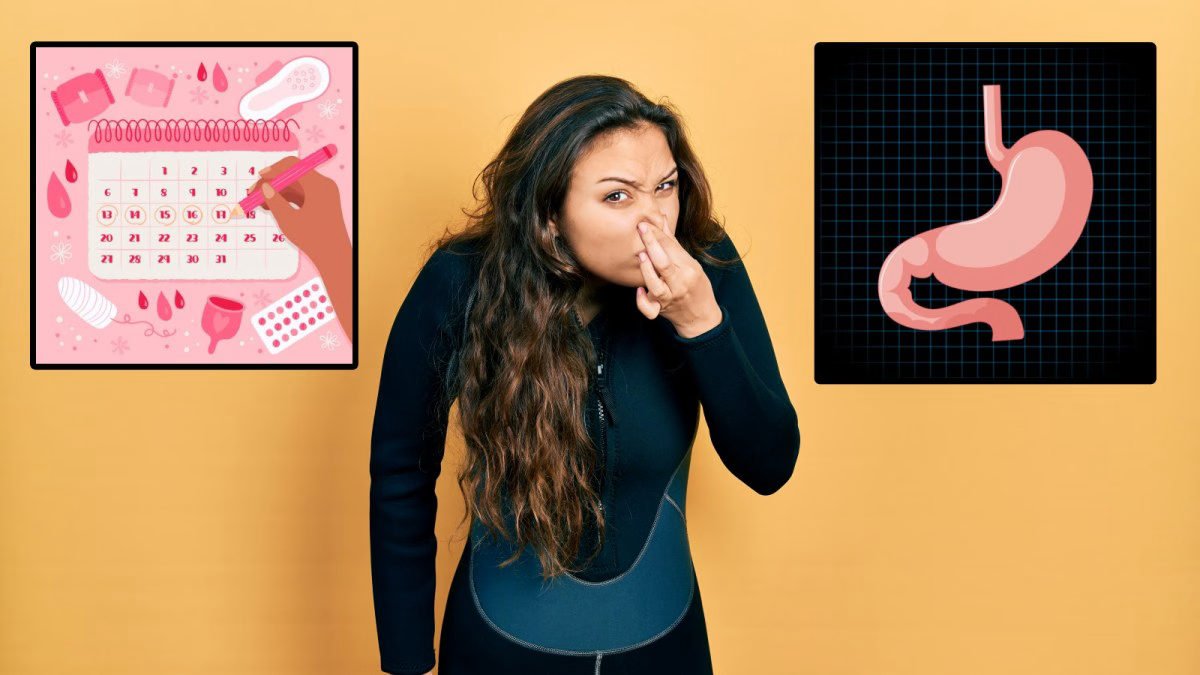
NEW DELHI: Cramps, cravings and mood swings are widely recognised as part of the menstrual cycle. But there’s another symptom many women experience — and rarely talk about — excessive gas and bloating around their periods. If you’ve ever felt your stomach swell, rumble or behave unpredictably just before or during menstruation, you’re not imagining it. The connection between your cycle and your gut is real — and deeply hormonal.
According to gynecologists cited, the digestive discomfort that shows up during periods is closely tied to the same hormonal fluctuations that regulate your menstrual cycle. In the days leading up to menstruation, levels of progesterone — a hormone that helps prepare the uterus for pregnancy — begin to fall. Progesterone has a relaxing effect on smooth muscles, including those in the intestines. When its levels fluctuate, digestion can slow down. Food stays longer in the gut, which may increase fermentation and gas production. The result? Bloating, abdominal fullness and that uncomfortable “tight” feeling in the stomach.
At the same time, the body releases prostaglandins — hormone-like chemicals that trigger uterine contractions to help shed the uterine lining. While their primary job is to act on the uterus, prostaglandins don’t operate in isolation. They can also affect the intestines, stimulating bowel movements and increasing intestinal activity. This is why some women notice not only gas, but also looser stools or more frequent trips to the bathroom during their period. The uterus and intestines sit close together in the pelvic cavity and share nerve pathways, so activity in one organ can amplify sensations in the other.
For women who already have sensitive digestion or conditions like irritable bowel syndrome (IBS), these hormonal shifts can feel even more pronounced. Even those without underlying gut issues may find that mild digestive changes become noticeably uncomfortable during menstruation. Add to this common premenstrual cravings — often for salty, fried or sugary foods — and digestive symptoms can intensify further.
The good news is that menstrual-related gas is typically temporary. Symptoms usually settle once hormone levels stabilise after the first few days of bleeding. However, experts advise paying attention to the severity and duration of symptoms. If bloating, pain or bowel disturbances are extreme, persist beyond your period or interfere significantly with daily life, it’s important to consult a healthcare provider. Conditions such as endometriosis or gastrointestinal disorders can sometimes mimic or worsen menstrual digestive symptoms.
Understanding the hormonal link between your gut and your cycle can help normalise what many silently endure. Your body isn’t malfunctioning — it’s responding to a carefully choreographed hormonal process. While it may be inconvenient, the extra gassiness during your period is often just another sign of the intricate connection between reproductive and digestive health.