
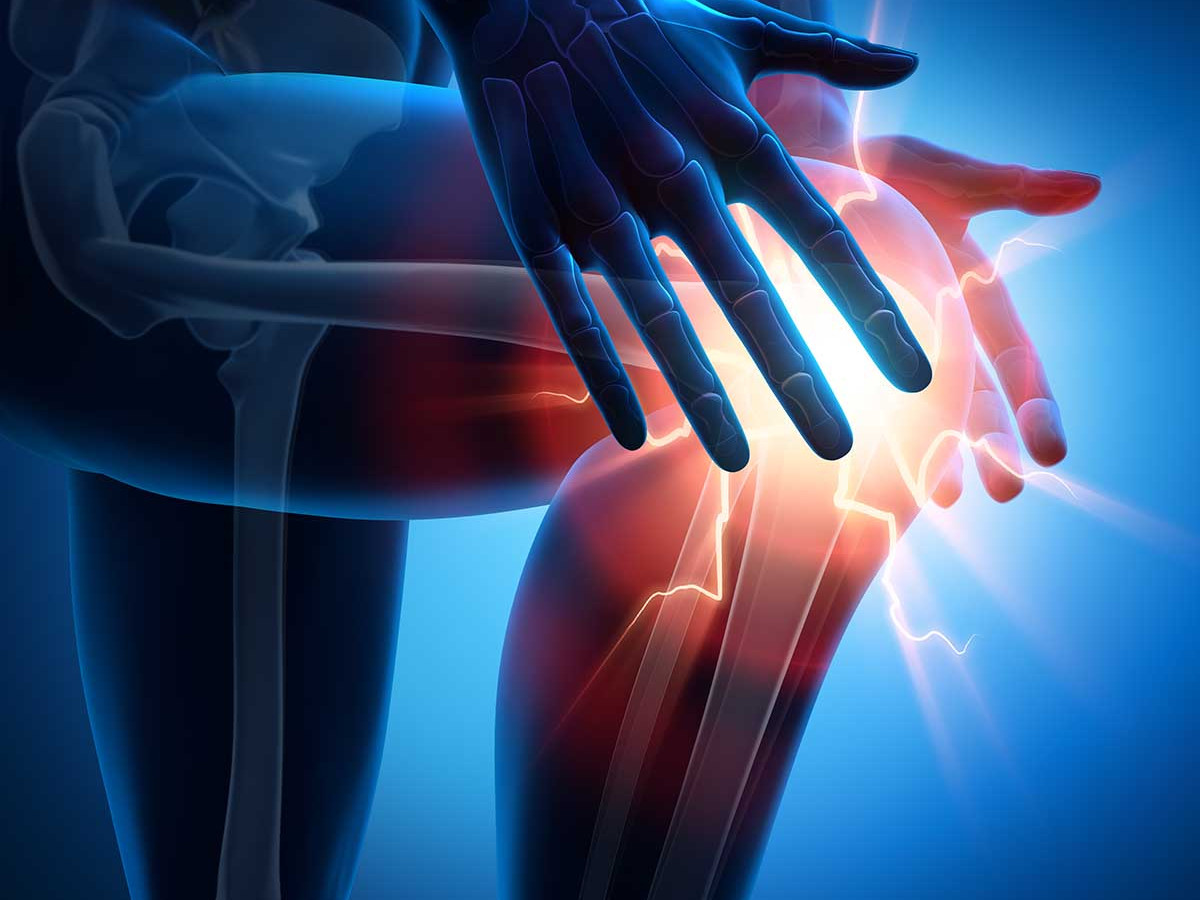
NEW DELHI: Osteoarthritis, the degenerative “wear-and-tear” joint disease affects millions worldwide, but women tend to develop it more often than men, especially as they age. Experts point to a mix of hormonal, anatomical, genetic and lifestyle factors that together make women more vulnerable to cartilage breakdown and joint pain.
WHY WOMEN ARE AT HIGHER RISK
Hormonal changes after menopause are a major driver. Estrogen, a hormone that helps protect cartilage and supports bone and joint health, drops significantly after menopause. This decline can weaken joint tissues and accelerate the degeneration that leads to osteoarthritis.
Women also typically have less muscle mass and more flexible joints compared with men. Less muscle strength means weaker support for weight-bearing joints like the hips and knees, while greater joint flexibility can increase the mechanical stress these joints experience over time.
Another anatomical factor is wider hips, which change knee alignment and can place extra pressure on joints during walking and other activities. Combined with lower muscle mass and differences in bone and cartilage structure, this can raise the likelihood of joint breakdown.
Genetics also play a role—some women may inherit tendencies toward weaker cartilage or other traits that make joint tissues more prone to degeneration. Additionally, a higher prevalence of obesity in women after menopause increases joint load and inflammation, further contributing to osteoarthritis risk.
PREVENTION AND MANAGEMENT
There’s no cure for osteoarthritis, but you can significantly reduce your risk and slow its progression by focusing on healthy habits:
-
Maintain a healthy weight: Even modest weight loss cuts pressure on knees and hips, easing stress on cartilage.
-
Stay active: Low-impact exercise such as walking, swimming, cycling or yoga—helps keep joints mobile and muscles strong around them.
-
Eat well: A diet rich in anti-inflammatory foods, omega-3 fats, calcium and vitamin D supports bone and joint health, while cutting back on processed foods and sugar helps control inflammation.
-
Protect your joints: Good posture, ergonomic support and avoiding repetitive strain lower the risk of early joint wear.
For pain and stiffness, physiotherapy, stretching, heat/cold applications and medications like NSAIDs or topical gels can bring relief. In more severe cases, injections or surgical joint replacement might be considered.
Understanding why women are more prone to osteoarthritis—and taking steps early—can help manage symptoms, protect mobility and improve quality of life over the long term.