
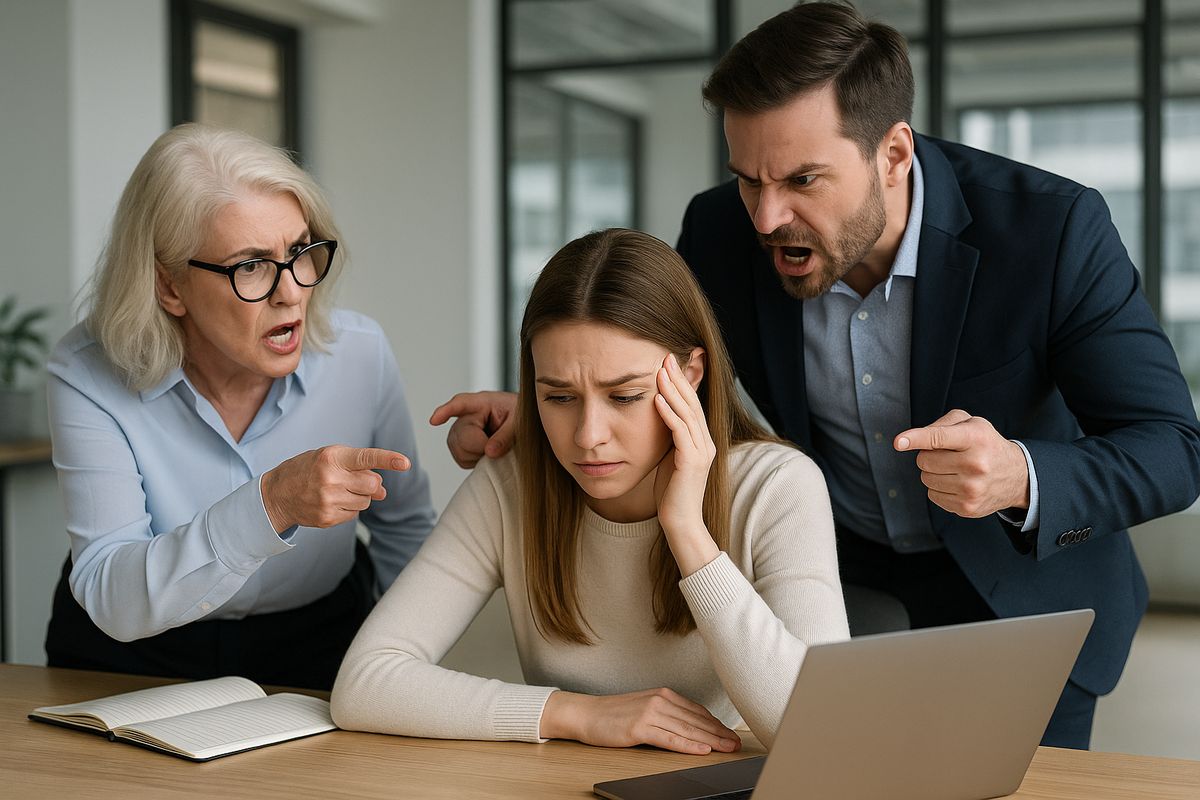
NEW DELHI: Empowerment was meant to feel liberating. Instead, for many women today, it feels like another standard to live up to—one more performance to perfect. Somewhere between breaking glass ceilings and perfecting morning routines, empowerment has quietly turned into pressure.
The modern woman is expected to be ambitious yet balanced, independent yet emotionally available, financially secure yet effortlessly feminine. Strength is no longer optional; it is mandatory. And opting out—of hustle, visibility, or constant self-improvement—often comes with guilt.
THE RISE OF THE “CAN-DO EVERYTHING” WOMAN
Social media has played a central role in shaping this narrative. Platforms are filled with images of women who wake up at 5 am, work out, build careers, raise children, maintain relationships and still have time for self-care rituals. Empowerment, in this version, is highly aesthetic—and exhausting.
Take Ananya, a 32-year-old marketing professional in Bengaluru. Financially independent and career-driven, she ticks every box of what empowerment is supposed to look like. Yet she admits feeling constantly inadequate. “If I’m not pushing myself all the time, I feel like I’m failing feminism,” she says. Rest, for her, feels like weakness.
CHOICE HAS BECOME A BURDEN
Feminism rightly fought for choice—education, careers, financial independence. But in practice, choice has morphed into obligation. If you can do everything, why aren’t you?
Women who choose slower paths often face quiet judgment. A woman who steps back from work after motherhood is asked if she’s “wasting her potential.” One who doesn’t want leadership roles is labelled un-ambitious. Empowerment, once about freedom, now often comes with a checklist.
This pressure cuts across classes and geography. Urban professionals feel it through productivity culture; rural women feel it through the expectation to contribute economically while continuing unpaid domestic labour. The language may differ, but the fatigue is shared.
EMPOWERMENT WITHOUT SUPPORT IS JUST STRESS
True empowerment requires systems, not slogans. Yet many women are handed responsibility without resources. They are encouraged to “lean in” without structural support like affordable childcare, safe public spaces, or flexible workplaces.
Consider frontline health workers during the pandemic—many of them women—praised as “heroes” while working long hours for low pay and little institutional backing. Recognition replaced reform, and burnout followed.
The same pattern plays out in corporate spaces. Women are celebrated for resilience while quietly absorbing extra emotional labour—mentoring, diversity work, team support—often without credit or compensation.
REDEFINING STRENGTH
The problem isn’t empowerment itself, but how narrowly it is defined. Strength is equated with endurance. Independence is mistaken for self-sufficiency at all costs. Vulnerability is still seen as failure.
But empowerment should also include the right to pause, to change direction, to ask for help. It should make room for women who don’t want to be exceptional, just content.
Mental health professionals increasingly note rising burnout among high-achieving women—not because they lack ambition, but because they feel trapped by it.
A QUIETER, KINDER VERSION OF EMPOWERMENT
Real empowerment is not performative. It doesn’t demand constant productivity or visible success. Sometimes, it looks like saying no. Sometimes, it looks like rest. Sometimes, it looks like choosing ease over applause.
Until empowerment allows women to be human—not just strong—it will remain aspirational but exhausting. The next phase of the conversation must move away from ‘doing it all’ and towards doing what is sustainable.
Because freedom should feel lighter, not heavier.