
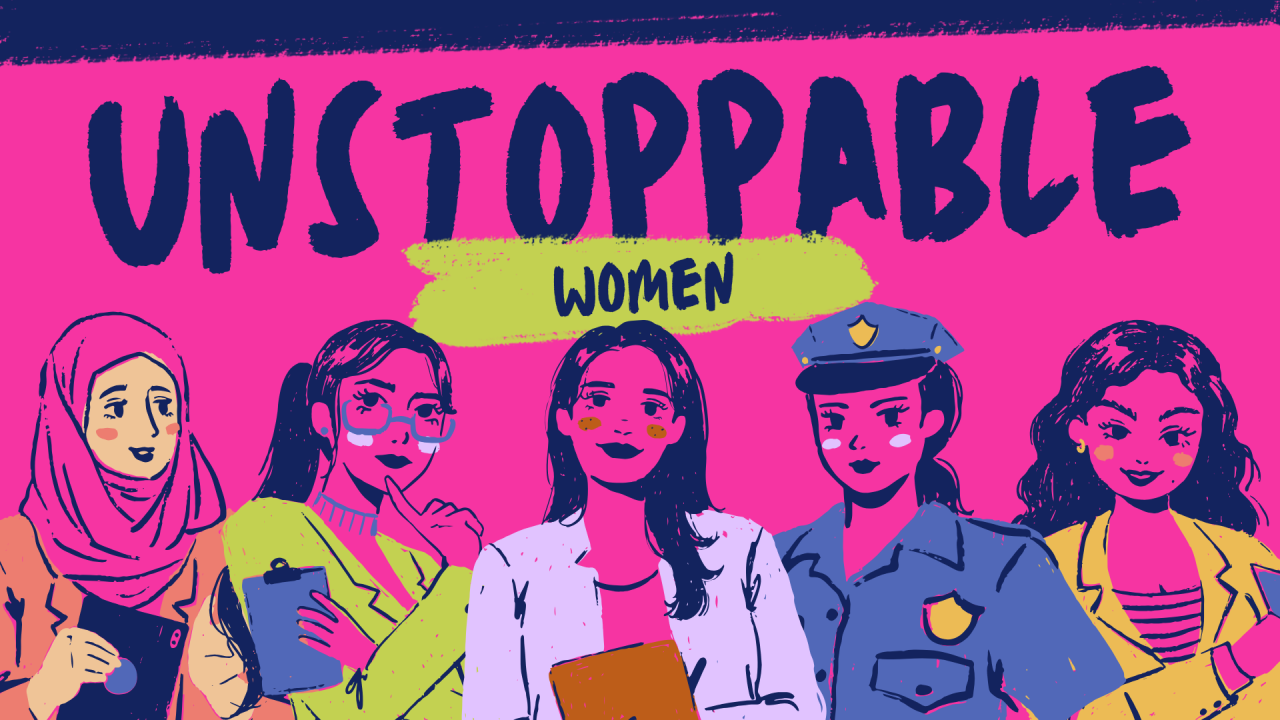
NEW DELHI: On a busy Monday morning in India’s expanding cities and growing towns, the image of the professional woman is no longer unusual. She may be presenting a strategy in a corporate boardroom, conducting surgery in an operating theatre, coding software for a global client, arguing a case in court, or supervising a construction site. What was once seen as an exception is steadily becoming the norm. Behind this visible progress lies a deeper story of women stepping into professional careers while confronting stereotypes that still linger beneath the surface.
For generations, career choices for women were quietly guided by expectations. Teaching, nursing, or clerical roles were considered appropriate, while engineering, defence, aviation, finance, and leadership were viewed as demanding or unsuitable. Women who pursued these fields often had to prove their competence repeatedly, facing doubts from institutions and sometimes from society and family alike. The struggle was rarely dramatic, but it was persistent. Many had to work harder simply to be recognised as equally capable.
Trailblazers helped change this narrative. Figures such as Kalpana Chawla showed that a woman could reach the highest frontiers of science, while leaders like Tessy Thomas demonstrated that women could command complex national defence projects. Their achievements created more than personal milestones. They opened psychological doors for thousands of young girls who could now imagine themselves in similar roles.
Today, that influence is visible across sectors. In India’s technology industry, women are designing artificial intelligence systems, managing data security, and launching start-ups. Hospitals increasingly rely on female specialists, surgeons, and administrators. Aviation schools report rising numbers of women pilots, while financial firms and media houses see more women occupying editorial and executive positions. Within institutions such as the Indian Space Research Organisation, women scientists and engineers play central roles in satellite launches, mission planning, and deep-space research.
Success does not mean stereotypes have disappeared. Many professional women still encounter subtle assumptions that they may be less available for demanding assignments, less assertive in leadership roles, or more likely to leave careers midway. These biases often appear in small but meaningful ways, such as being interrupted in meetings, overlooked for challenging assignments, or judged more harshly for mistakes. The barriers today are often quieter than before, but they remain real.
Another continuing challenge is balancing professional ambition with social expectations. Even as more women earn advanced degrees and secure competitive positions, household responsibilities frequently remain unevenly shared. The resulting double workload can slow career growth and increase stress. Many women respond not by stepping back, but by pushing for structural change, including flexible schedules, childcare support, equal parental leave, and transparent promotion systems.
Encouragingly, the workplace itself is evolving. Companies increasingly recognise that diversity strengthens performance. Teams with balanced representation of ten demonstrate stronger collaboration, wider perspectives, and more innovative thinking. Mentorship programmes, leadership pipelines for women, and targeted recruitment initiatives are expanding across industries.
Perhaps the most powerful transformation is cultural. Young girls today grow up seeing women as CEOs, scientists, journalists, police officers, and entrepreneurs. Ambition is less frequently questioned and aspiration is more openly supported. Each visible success story weakens the stereotypes that once defined possibility.