NEW DELHI: As fashion enters 2026, one silhouette has quietly overtaken the classic suit in the wardrobe hierarchy: the blazer dress — a piece that blends tailored authority with contemporary femininity. Once relegated to runways and editorials, this hybrid of suiting and dresswear has become the definitive expression of power dressing — proving that in modern style, strength and softness can coexist seamlessly.
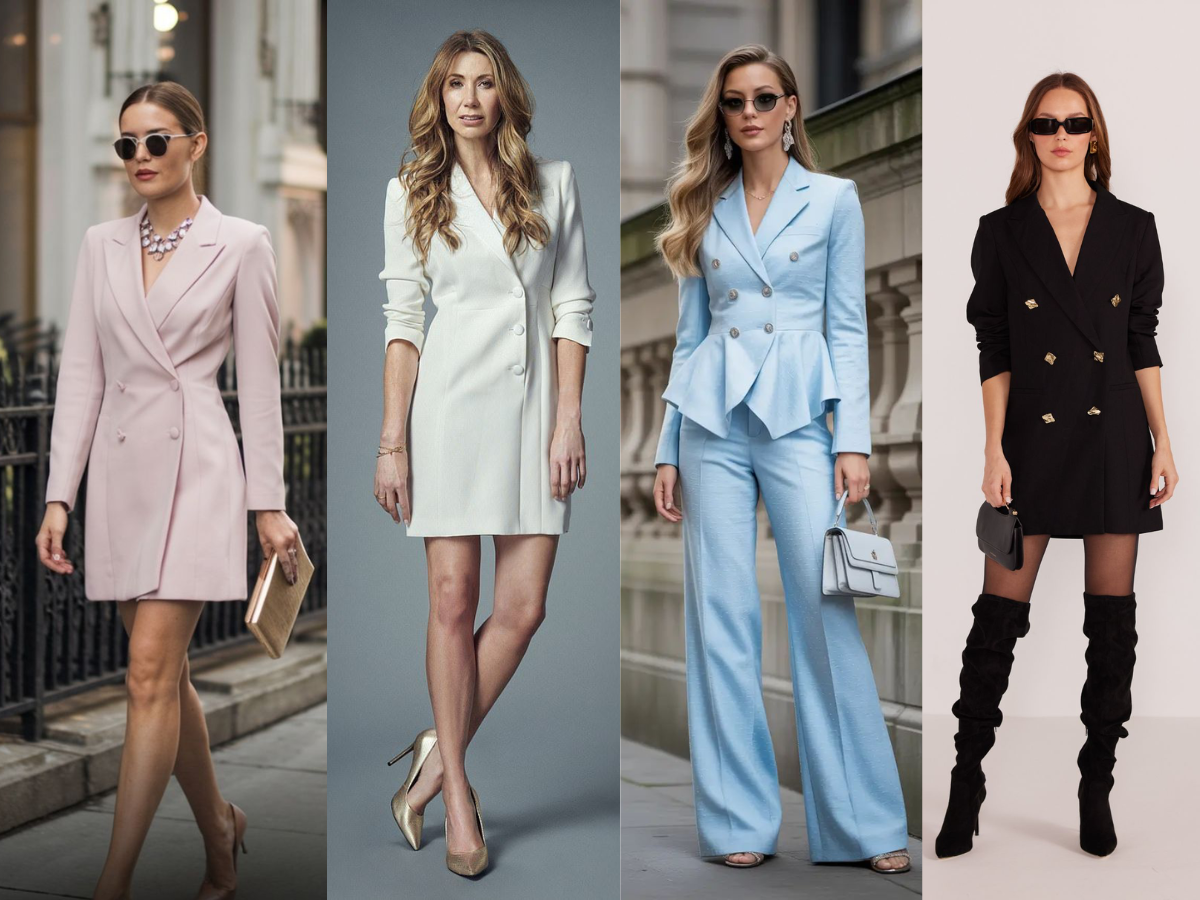
Traditionally, power dressing conjured images of sharply cut suits and crisply ironed separates. The blazer dress, however, simplifies that formula: one single garment that carries both structure and statement. With its sharp lapels, defined shoulders and versatile hem lengths — from mini to midi — it offers a fresh interpretation of authority that feels both modern and effortless.
At its core, the blazer dress borrows the architectural precision of tailoring — think double-breasted fronts and strong lines — and reimagines it in a piece that’s inherently feminine without losing gravitas. This marriage of form and function allows wearers to move confidently from boardroom to cocktail hour without missing a beat.
On the catwalk and in high fashion lineups, designers have elevated the blazer dress into true luxury territory. From hefty wool versions by Max Mara and Ralph Lauren to embellished mini dresses by avant-garde labels, the trend spans a wide price spectrum and style sensibility. Pieces with structured shoulders and tailored waists command attention, while softer, lighter interpretations keep the look approachable and versatile.
Celebrities and style influencers have been quick to adopt the trend. In India, public figures like Malaika Arora have been spotted in hourglass-fit blazer dresses that fuse corporate polish with runway flair — her version paired with towering boots exemplifies how this trend bridges power dressing and street style cool.
The appeal is as much practical as it is aesthetic. A beautifully cut blazer dress eliminates the guesswork of styling separates; no need to marry a jacket to a skirt or trousers. Instead, the focus shifts to accessories — heels, minimal jewellery or boots — allowing individuality to shine without compromising the garment’s authoritative silhouette.
Fashion insiders note that the blazer dress reflects broader cultural shifts in how women present themselves. In an era where roles are increasingly fluid and schedules demand versatility, garments that can transition from professional to social settings feel especially relevant. A blazer dress worn with sleek pumps at work can be re-imagined with strappy heels for evening, or styled oversized with sneakers for a more relaxed daytime look.
Styling possibilities further underscore why this piece resonates. Minimalist versions in classic colours offer timeless polish, while bold hues or playful patterns provide room for personality. Whether it’s a crisp white blazer dress or a richly hued one with statement buttons, the garment embodies confidence without needing loud branding or gimmicks.
Importantly, the blazer dress works across body types — its structured tailoring can flatter various silhouettes, and designers increasingly offer versions that celebrate diversity in fit and proportion. Rather than imposing a uniform aesthetic, this trend encourages wearers to choose cuts that feel authentic to their style.
By bringing power dressing into a single, streamlined piece, the blazer dress encapsulates the 2026 fashion moment: where elegance meets authority, where form meets freedom. It’s more than a trend — it’s a sartorial reset that proves you only need one piece to make a statement.