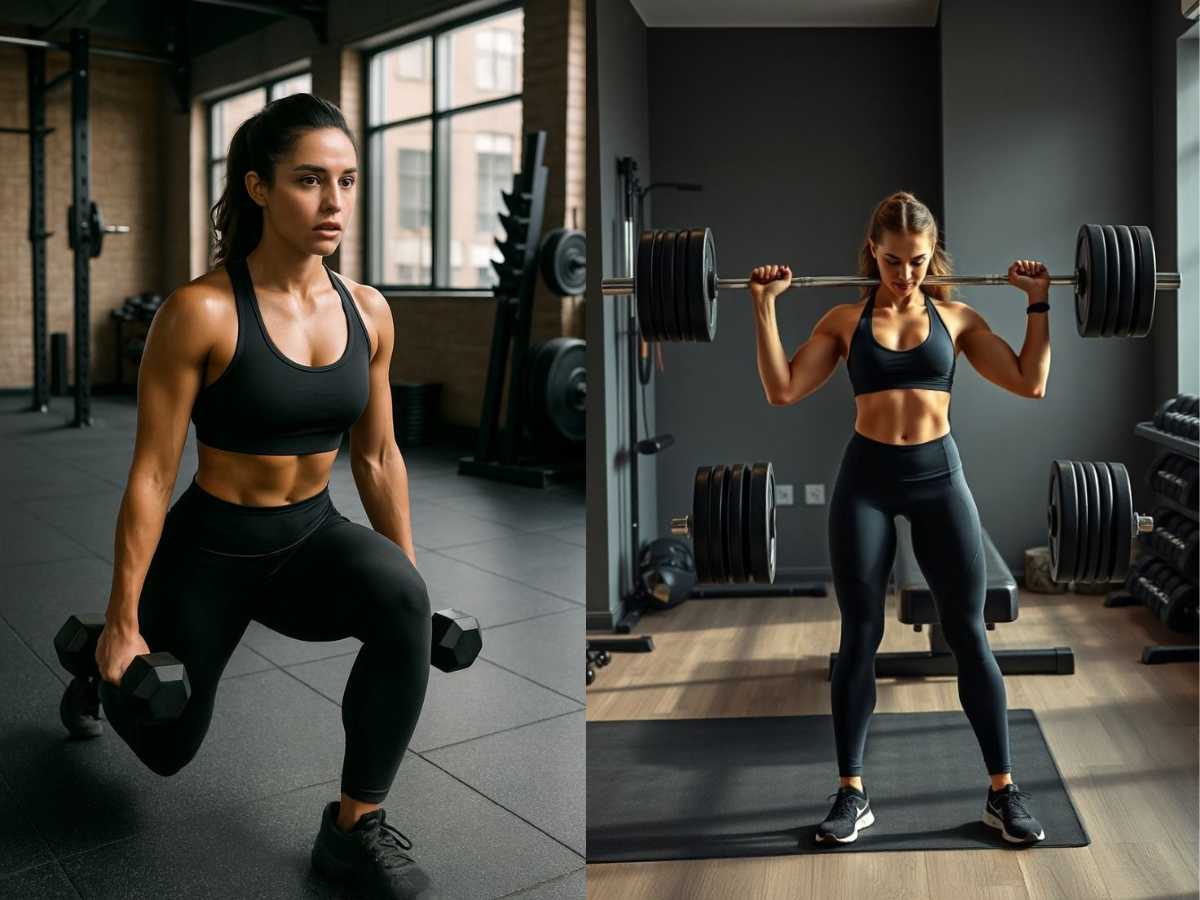
NEW DELHI: In gyms, parks and fitness studios across India, a revolution is underway. For decades, the dominant message around women’s fitness — both culturally and in advertising — has been thinness: smaller waistlines, lower numbers on the scale and relentless calorie counting. But a new wave of Indian women is rejecting that script, prioritising strength, stamina and physical capability over mere slenderness — and redefining what fitness means for a generation.
Across cities like Jaipur, women are visibly embracing resistance and strength training, pushing against outdated beauty norms that once equated “fit” with “skinny”. At local gyms, it’s no longer rare to see women lifting weights, doing squats with heavy bars, and working on exercises designed to boost endurance and power — not just burn calories. Trainers note that this shift isn’t just aesthetic; it’s about functionality and confidence.
For many, the change starts with busting long-held myths about strength training. One of the biggest misconceptions — that lifting weights will make women “bulky” or overly masculine — persists, but experts and practitioners alike have pushed back against it. Scientifically, women simply don’t have enough testosterone to build large muscle mass in the way men do. Instead, resistance training builds lean muscle, boosts metabolism and strengthens the body without bulk.
The benefits go far beyond appearance. Strength training improves bone density — a crucial factor for women, especially as they age and face the risk of osteoporosis — and enhances metabolic health, balance and overall mobility. Heart health, hormone regulation and even mood see measurable improvements as women engage in consistent resistance work.
Real women are living these benefits. In Jaipur, 26-year-old interior architect Charu Thukral took up resistance training not to chase a specific body shape but to build stamina for marathons. “I’ve never looked at the numbers on the scale,” she says. “Instead I focus on being strong. My friends call me the push-up queen — and I love it.” Another woman shares how her newfound strength regularly surprises male gymmates and boosts her energy levels.
Elsewhere in India, figures like powerlifter Majiziya Bhanu have become symbols of this broader shift. Bhanu — a competitive athlete and bodybuilder from Kerala — broke stereotypes by competing in powerlifting while wearing a hijab, showing that strength can coexist with cultural identity and personal values.
The narrative shift also reflects cultural change beyond individual gyms. Social media trends like the “muscle mommy” movement — once an internet joke — have gained real traction as symbols of empowerment, particularly among younger women. In these digital spaces, muscular physiques and strength-focused workouts are celebrated for what they enable — confidence, resilience and self-definition — rather than how they look.
Still, challenges remain. Many Indian women grow up with societal expectations that prioritise slenderness, and access to strength training spaces can be limited by safety concerns, lack of women-friendly facilities, and persistent misinformation about fitness. Online communities often reveal a gap between awareness and action: while many women understand the importance of strength work, gym culture and social taboos can discourage consistent participation.
Yet the momentum is clear. From strength-centric events engaging thousands of young women across cities to grassroots communities sharing workouts and debunking myths, a new fitness identity is emerging. Here, strength is not about rejecting femininity — it’s about reclaiming control over one’s body, health and narrative.
And for many Indian women today, being strong feels a whole lot better than just being skinny.