NEW DELHI: For years, bridal fashion in India dictated one painful truth: beauty comes with blisters. Towering stilettos, sky-high platforms and embellished heels were considered non-negotiable for the big day. But 2026 brides are rewriting that rulebook. Across wedding mandaps and mehendi lawns, a quiet yet powerful shift is underway: brides are ditching heels and choosing juttis instead.
This isn’t just a comfort-driven compromise; it’s a conscious fashion decision.
Indian weddings are endurance events. Between long pheras, elaborate photoshoots, hours of greeting guests and dancing through sangeet nights, brides spend more time on their feet than ever acknowledged. Heels, often hidden beneath heavy lehengas, rarely get their moment in photographs but the discomfort lingers long after the lights dim.
Juttis, on the other hand, offer something revolutionary: elegance without agony.
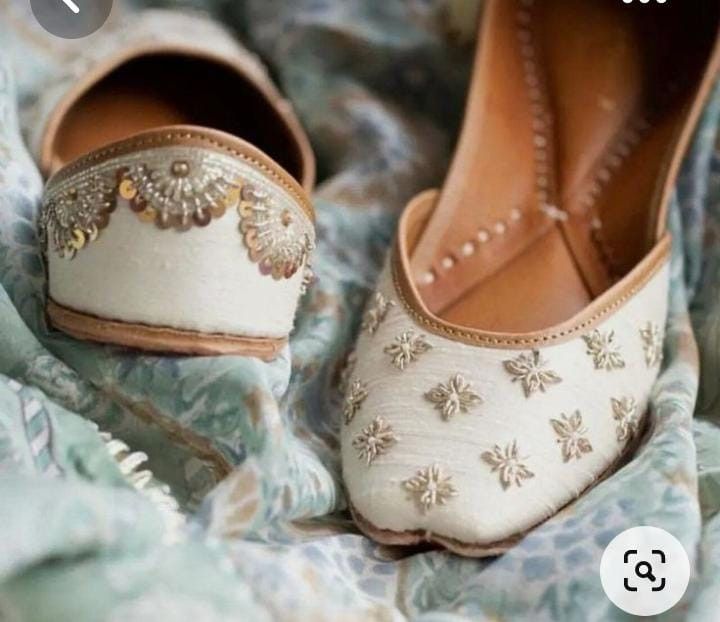
Traditionally handcrafted and deeply rooted in North Indian culture, juttis have evolved far beyond their folk origins. Today’s bridal pairs feature intricate zardosi, mirror work, gota detailing, pearls, sequins and even Swarovski embellishments. Designers have elevated the silhouette with padded insoles, softer leather lining and improved structure—ensuring they feel as luxurious as they look.
Even established couturiers like Anita Dongre have embraced embroidered juttis within bridal collections, reinforcing that flats can be just as couture-worthy as heels. The result? Footwear that complements a lehenga rather than competing with it.
There’s also a styling advantage. Juttis sit seamlessly under traditional silhouettes—whether paired with voluminous lehengas, shararas or even contemporary draped sarees. For outdoor weddings, garden ceremonies or destination events, they eliminate the practical struggles of sinking heels and awkward posture adjustments.
But the appeal runs deeper than comfort.
In an era increasingly defined by mindful consumption, handcrafted juttis align with the slow-fashion movement. They are often made by skilled artisans using techniques passed down through generations. Each pair carries subtle variations—a reminder of the human hand behind the craft. For modern brides who want their wedding choices to feel meaningful, this cultural continuity adds emotional value.
Another reason for the shift? Versatility. Unlike heavily embellished heels that rarely see daylight after the wedding, bridal juttis transition easily into post-wedding wardrobes. Styled with festive suits, sarees or even contemporary fusion wear, they promise repeat value—something today’s buyers actively seek.
This trend also reflects a broader shift in bridal priorities. The new-age bride is less concerned with adhering to rigid style expectations and more focused on feeling like herself. Comfort is no longer seen as a compromise; it is empowerment. Being able to dance freely at your own sangeet, walk confidently into your pheras, or simply stand through rituals without discomfort is now considered part of the luxury experience.
In many ways, the move from stilettos to juttis symbolises something bigger—a reclaiming of tradition on modern terms. It’s about embracing heritage without sacrificing practicality. It’s about understanding that grandeur doesn’t require height.
As wedding fashion continues to evolve, one thing is clear: the modern bride isn’t stepping into marriage on painful heels. She’s choosing grounded elegance—one beautifully embroidered jutti at a time.