
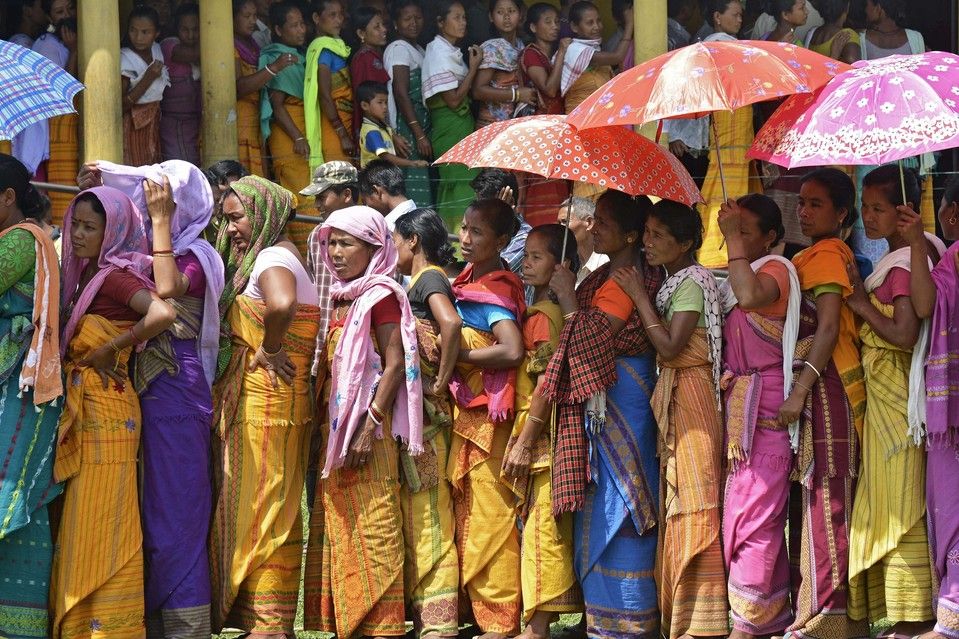
NEW DELHI: Elections in India are disputed for many reasons, but in recent years one issue has dominated the debate—freebies. With Delhi heading to the polls on February 8, political parties have turned women-centric cash schemes into headline promises. The Aam Aadmi Party has announced an upgraded Mukhyamantri Mahila Samman Yojana, offering 2,100 per month to eligible women. The Bharatiya Janata Party has countered with a promise of 2,500 for women below the poverty line, while the Congress has pitched its Pyari Didi Yojana, proposing a similar monthly transfer.
While Delhi is currently in focus, such schemes are hardly new. Across states—from Maharashtra and Madhya Pradesh to West Bengal and Odisha—direct cash transfers and incentives for women have multiplied, with beneficiaries reportedly numbering in crores. The political appeal is obvious. But the larger question remains: do these schemes genuinely empower women, or do they merely create dependence wrapped in populist language?
India aspires to become a $5 trillion economy, yet its low per capita income reflects a stark reality—millions still struggle to meet basic needs. In that context, promises of monthly cash appear attractive. However, these schemes have drawn criticism for poor targeting and fiscal strain. Maharashtra’s Ladki Bahin programme, for instance, faced backlash over delayed disbursals and funds reaching ineligible recipients. Similar concerns have surfaced elsewhere, with ballooning fiscal deficits and mounting state debt raising alarms.
Beyond economics lies a deeper concern: effectiveness. Even when money is transferred directly into women’s bank accounts, does it translate into autonomy? In a deeply patriarchal society, the answer is often uncomfortable. Bank accounts opened in women’s names are frequently controlled by male family members. Businesses registered under women’s ownership exist largely on paper to access tax benefits. In many households, cash transfers intended for women are ultimately used by men.
Studies on welfare delivery have repeatedly highlighted leakages and misuse. Estimates suggest that only a fraction of the money disbursed under targeted schemes reaches its intended purpose. In a system where accountability remains weak, cash transfers risk becoming symbolic gestures rather than instruments of change.
Political rhetoric around freebies further complicates the issue. Prime Minister Narendra Modi has criticised “revdi culture” while his party continues to announce welfare-heavy promises. Arvind Kejriwal has defended Delhi’s model without clearly explaining how escalating financial commitments will be sustained. Rahul Gandhi’s attempt to frame cash transfers as compensation for women’s unpaid domestic labour may sound progressive, but without legal or structural backing, it risks appearing patronising rather than transformative.
The truth is, welfare support is not inherently flawed. As a welfare state, India has a responsibility to protect its most vulnerable citizens. But empowerment cannot be reduced to monthly allowances timed conveniently around elections. Real empowerment requires long-term investment in education, healthcare, skill development and employment—measures that enable women to earn, decide and lead independently.
Freebies may offer short-term relief, but they do little to dismantle structural inequality. Worse, they risk normalising dependency and turning women into vote banks rather than stakeholders in growth.
Freebies, after all, are not free. They are paid for through public funds, rising debt and deferred development. And they are certainly not freeing. If India is serious about empowering women, it must move beyond chequebook politics and focus on creating conditions where women no longer need political handouts to survive.
Until then, the promise of empowerment will remain just that—a promise, loudly announced and quietly limiting.