
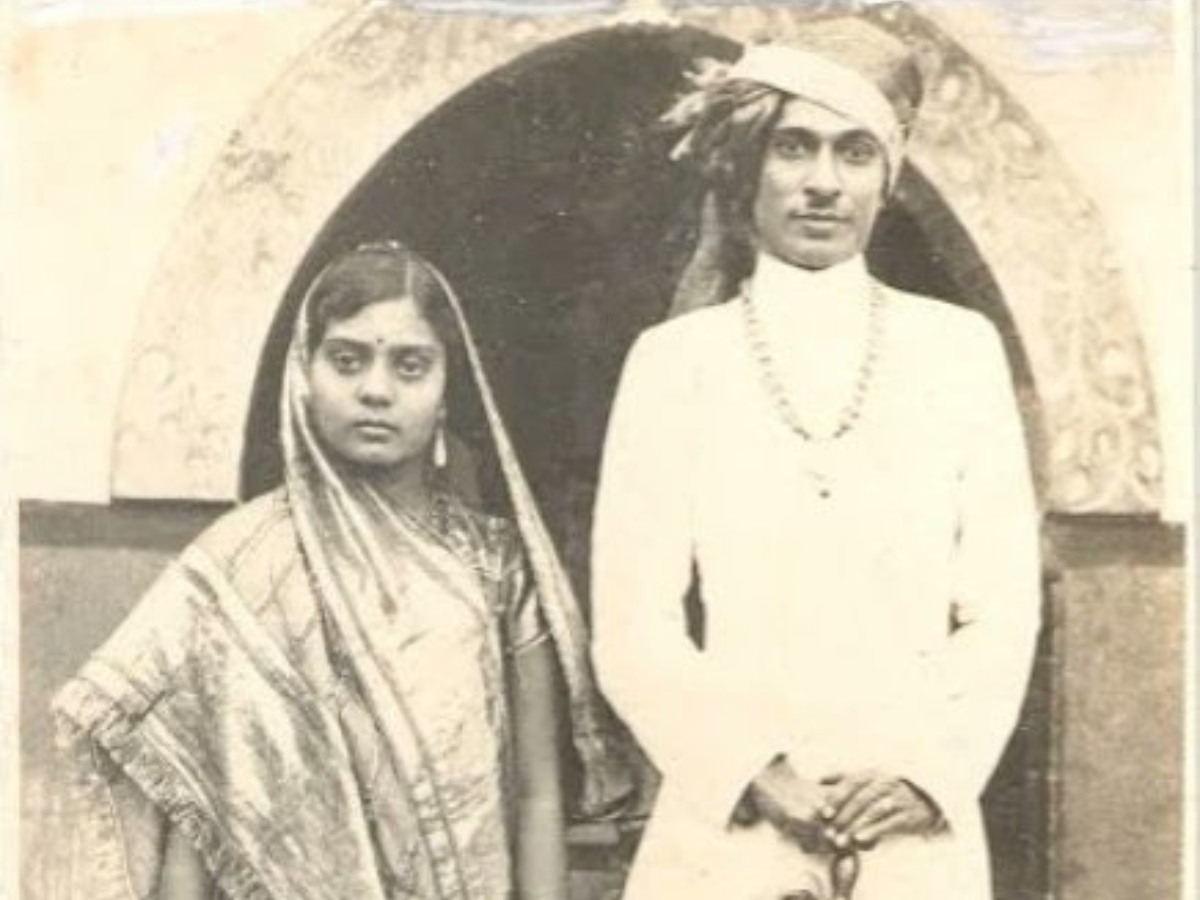
Rukhmabai Raut in 1885 became an icon of courage and resistance in India. Married as a child, she would not bow to a system that left her with no choice. She was the first Indian woman to fight her marriage in court, fighting not only for herself but for all women of the country.
The Legal Battle
Nine years after her marriage, Rukhmabai’s husband filed a suit demanding restitution of conjugal rights, essentially seeking the court’s permission to force her to live with him. At that time, the legal system of India gave her husbands the full authority to compel their wives to fulfill her marital duties. In 1887, the court ruled against Rukhmabai, ordering her to either to be with her husband or face six months in prison in Mumbai.
Challenges with the impossible decision, Rukhmabai opted for imprisonment. Her refusal to compromise on her principles attracted public attention and heated debates in the newspapers, and in social circles of India.
Rukhmabai’s Choice and Its Impact
Rukhmabai’s defiance went beyond her personal struggle. By choosing prison over submission, she highlighted the injustices faced by countless women trapped in child marriages and oppressive marital laws. Her bravery inspired discussions about the autonomy of women and the legal reforms necessary to protect their rights.
Her case ultimately reached the attention of Queen Victoria, whose intervention secured her release. This historic case ultimately saw her marriage dissolved, providing a precedent for women claiming their right to make choices for themselves.
A Trailblazer for Women’s Rights
Rukhmabai fight played a key role in shaping legal reforms in India. One of the most significant outcomes was the enactment of the Age of Consent Act of 1891, which raised the minimum age of consent for girls and was a crucial step toward curbing child marriage. Rukhmabai’s courageous stand also inspired a generation of social reformers and women activists who continued to challenge oppressive practices and advocate for gender equality. By using the law to assert her rights, she demonstrated that systemic change was possible, even in a society deeply entrenched in patriarchal norms.
Also read: Adiyogi: The 112-Foot Statue That Holds the Secret to Inner Transformation Goes Viral
Legacy of Courage
Nowadays, Rukhmabai is remembered as one of the pioneers of India’s women’s rights movement. Her life is a testament to the strength of resilience, bravery, and the unrelenting pursuit of justice.