
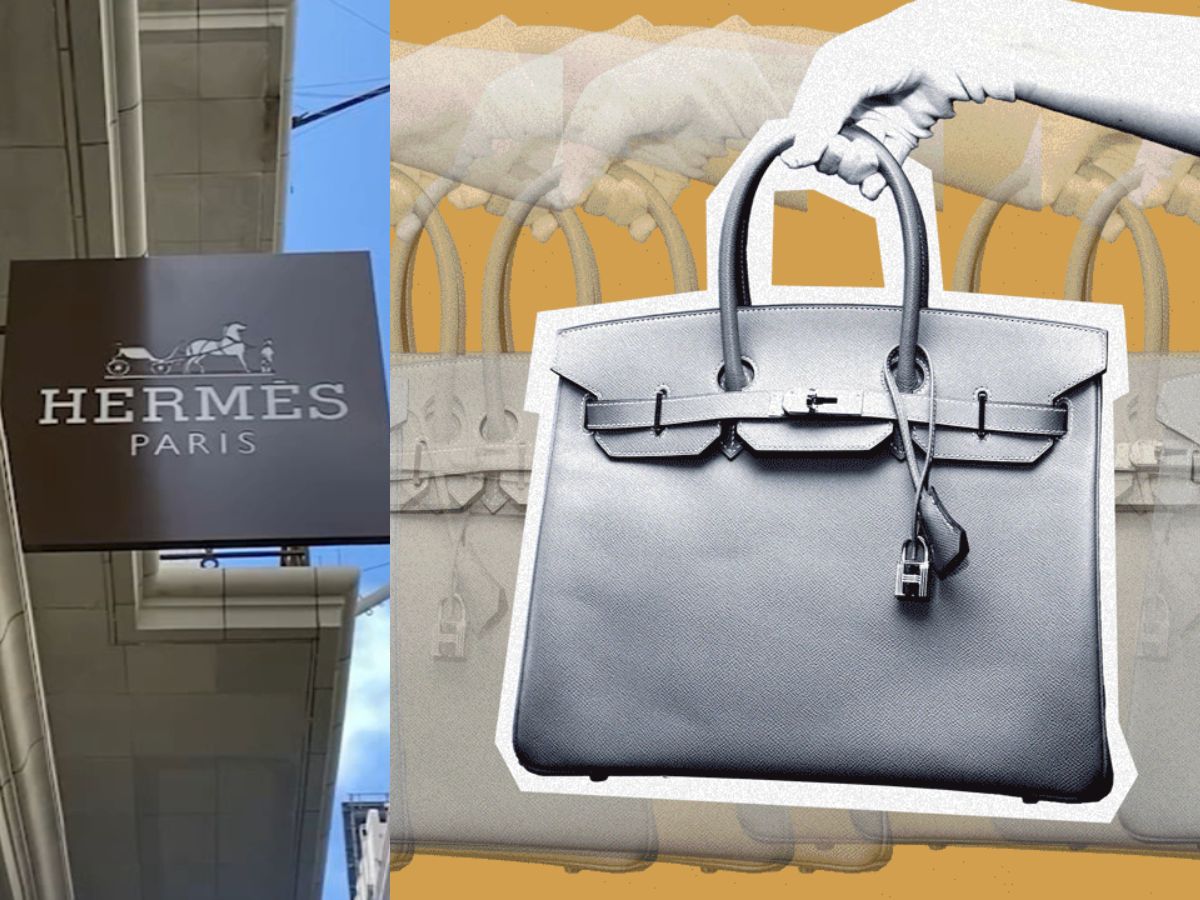
The famous Hermès Birkin bag, a representation of the pinnacle of exclusivity and luxury, is at the focus of a legal battle that could unravel its opaque business methods. A class-action lawsuit filed in California alleges the French fashion house doesn’t just sell its most coveted product; it operates an illegal, coercive system that forces customers to “play the game” by spending tens of thousands on ancillary products for a mere chance to buy one.
What Exactly is Hermès Accused Of?
The complaint, first filed in March 2024 by the Northern District of California, alleges the existence of a stringent and under-the-radar ‘pay-to-play’ model. The core allegation is that Hermès violates U.S. antitrust laws by illegally tying the sale of one product (a Birkin bag) to the purchase of another (shoes, scarves, jewelry, homeware).
Sales associates (SAs), according to the plaintiffs, are told to use the Birkin as bait. Customers are allegedly lured into building a “purchase history” or a “profile” by buying other high-margin items, under the implicit or explicit promise that this spending will move them up a non-existent “waitlist” and grant them access to a Birkin.
How Have the Claims Expanded?
The case has recently been amended to include even more serious charges: false advertising and fraud. The plaintiffs argue that Hermès’s practice of requiring pre-spending constitutes a “bait-and-switch” scam. With no assurance that the bag would ever be produced, customers are “baited” by the Birkin’s charm and “tricked” into purchasing other things they might not want. This, they claim, transforms the pursuit of the bag into a deceptive and fraudulent lottery.
Is There Really a Waitlist?
A key revelation in the lawsuit is the allegation that the famous Hermès waitlist is a myth. According to the complaint, Birkins are not given away to new members on a first-come, first-served basis. Instead, inventory is meticulously controlled and allocated by SAs to customers they deem “worthy,” based almost entirely on their purchase history of other goods. This secretive system, the suit claims, eliminates any chance of fair competition and creates an illegal secondary market within the boutique itself.
How Does This “Game” Work for Sales Associates?
The lawsuit provides insight into the internal mechanics that allegedly drive this system. It claims that Hermès does not pay its sales associates any commission on the sale of a Birkin bag. However, they do earn commission on everything else sold in the store.
This compensation structure, the plaintiffs argue, creates a powerful incentive for SAs to dangle the Birkin carrot to maximize sales of other products. Customers are essentially forced to “fund the growth of Hermès’s other product categories” in a pointless endeavor, as it aligns the employee’s financial interest with the company’s purported coercive strategy.
Also Read: “Nobody Could Ever Fill It”: The Charlie Kirk Show Pays Tribute With Empty Chair
What Does Hermès Say?
As of this writing, Hermès has not issued a detailed public statement on the specific allegations in the amended lawsuit. The company has previously maintained a policy of silence on matters related to Birkin sales, guarding its strategies as fiercely as it guards the bags themselves. Legal experts predict that the business will fight hard to maintain control over how its products are distributed and sold.
Cavalleri et al. v. Hermès International, and al. is still an ongoing case. It stands in stark contrast to the meticulously maintained air of exclusivity that has supported the Birkin’s legend and enormous worth for many years.