
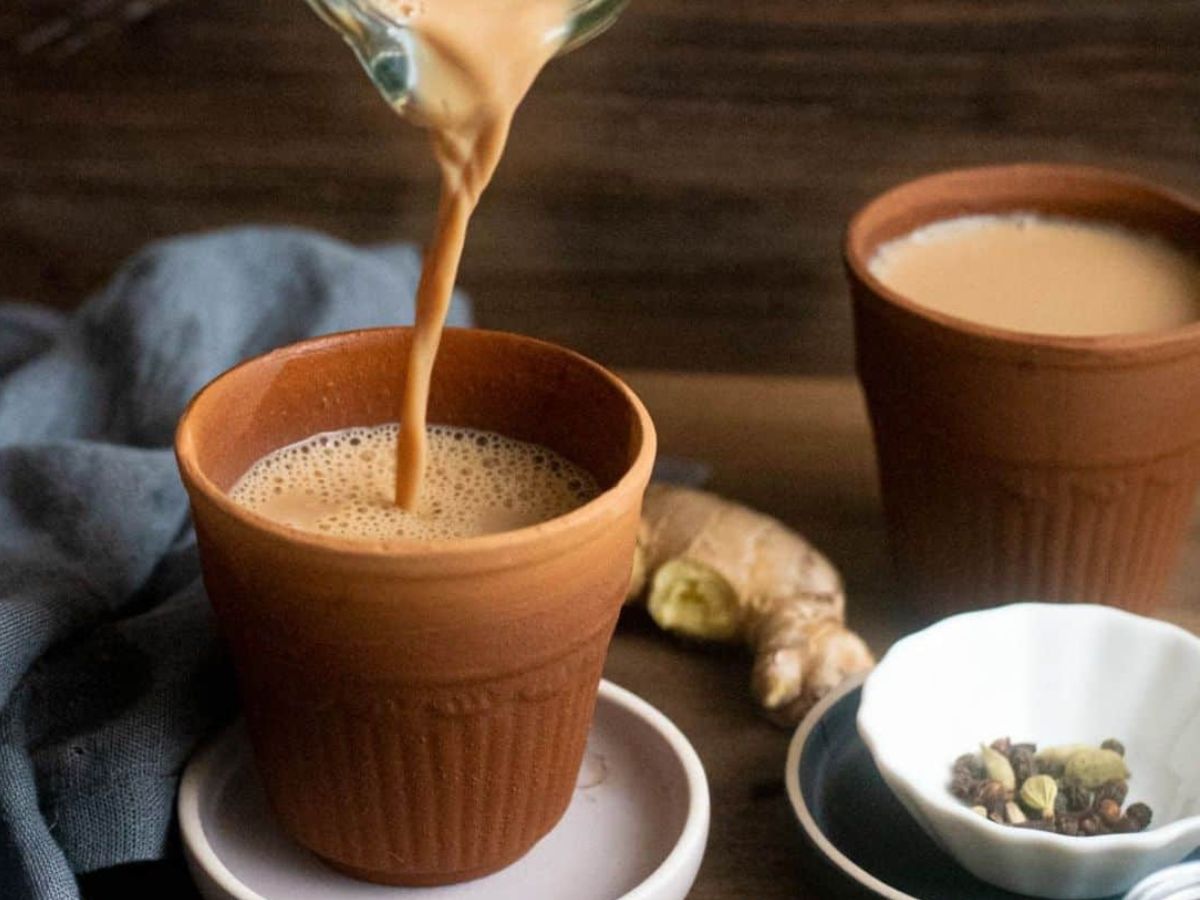
In India, chai is more than a beverage — it’s a cultural ritual. From early morning routines to office breaks, roadside stalls to family gatherings, chai is woven into daily life. Its warm aroma and comforting taste make it a favorite companion for millions, providing a moment of pause and connection in a busy day. Many argue that a cup of chai is not just about caffeine or flavor; it’s a small, daily boost of happiness and energy.
Benefits of Chai
Chai has several well-known benefits. The combination of black tea, milk, spices like cardamom, ginger, and cinnamon, and sometimes sugar, provides antioxidants, boosts alertness, and may aid digestion. A cup of chai can improve focus during work, provide warmth on cold mornings, and foster social interaction when shared with family or friends. For many, chai is not just a drink it’s a ritual that relieves stress, sparks conversation, and strengthens bonds.
The Dark Side: Mental Health and Addiction
Despite its benefits, recent studies have raised questions about the impact of frequent chai consumption on mental health. A study conducted by Tsinghua University and the Central University of Finance and Economics in Beijing, which surveyed over 5,200 university students, suggested that high milk tea consumption may be linked to anxiety, depression, and even suicidal thoughts. Researchers noted, “A higher level of milk tea addiction was significantly associated with a higher risk of depression, anxiety and suicidal ideation, respectively, after controlling confounding variables, among youths consuming milk tea.”
PG Bazar has posted on Instagram showing the study which highlights a key point: when chai consumption becomes excessive or addictive, it may exacerbate loneliness or stress rather than alleviate it. Over-reliance on caffeine and sugar in milk tea can disrupt sleep patterns, increase stress levels, and in some cases, contribute to psychological symptoms.
How Indians Are Responding
Unsurprisingly, many chai lovers were quick to dismiss the warnings. Social media reactions ranged from humor to outright defiance: “If we don’t get tea, we get depression and anxiety,” wrote one user, while another said, “Jo bhi ho, jo bhi na ho…chai chai hai…hum toh piyenge (Whatever happens, whatever doesn’t…tea is tea…we will drink it).”
For most Indians, chai is more than just caffeine it’s comfort, culture, and a way of life. Even when research highlights potential risks, the ritual continues, reflecting the deep emotional connection people have with their cup of tea.
Balance Is Key
Chai undoubtedly plays a valuable role in daily life, offering warmth, alertness, and social connection. However, like many indulgences, moderation is essential. While enjoying a cup or two can uplift your day, excessive or habitual consumption may have unintended mental and physical effects. For true chai lovers, understanding the balance between enjoyment and overconsumption is key to maintaining both health and happiness.
Also Read: Why the Karur Stampede Occurred and What Led to a Judicial Probe at Vijay’s Rally