
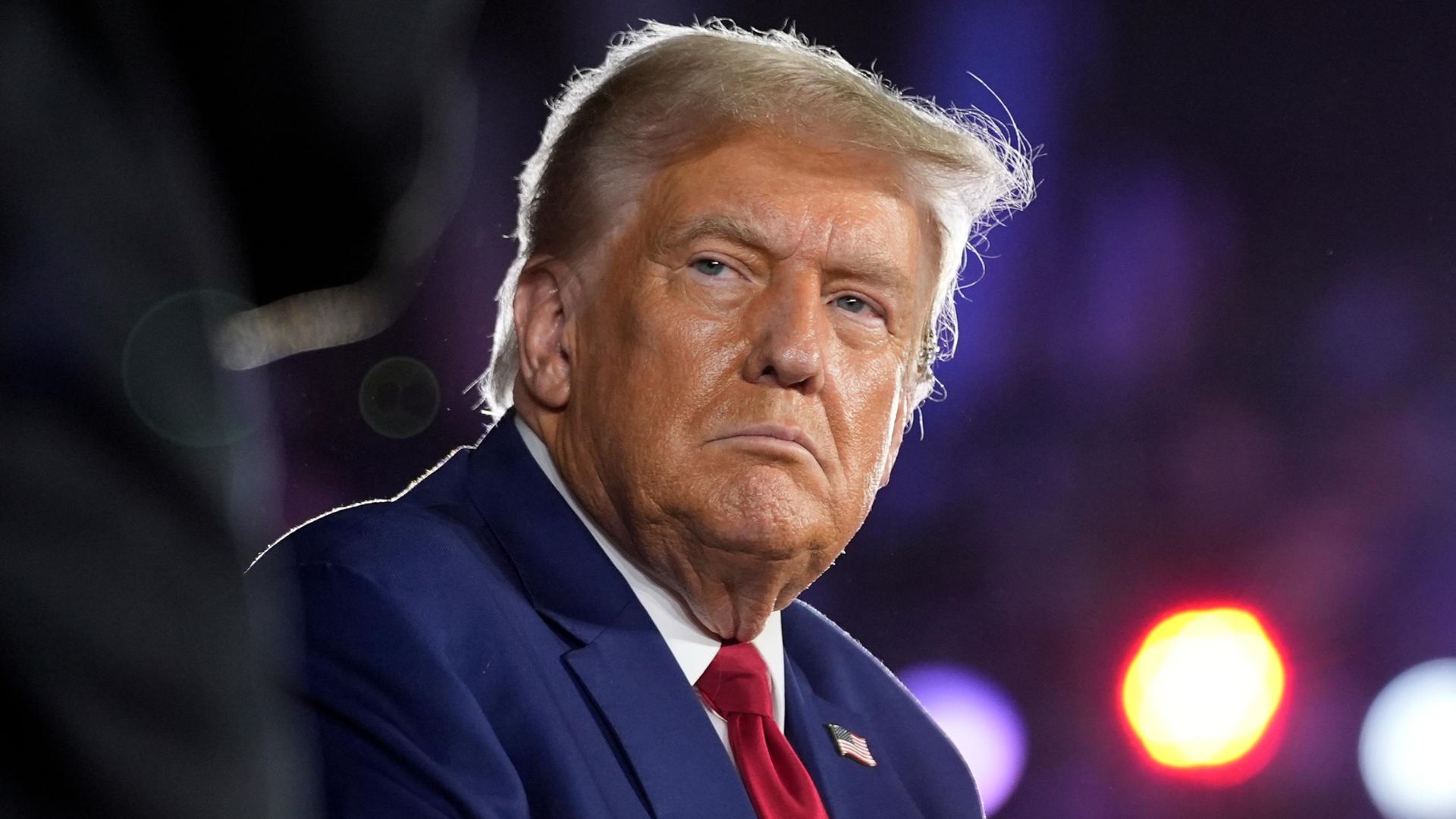
The Trump administration has restarted its forceful strategy on international trade. More than 20 countries have received official notices this month, warning them about steep tariff increases unless they reach new trade deals with the United States by August 1.
These warnings came through presidential letters and social media posts, with many countries facing import duties as high as 50 per cent.
Return of the ‘Reciprocal Tariffs’ Strategy
This move brings back a trade approach first introduced by President Donald Trump in April under the slogan “reciprocal tariffs.” The plan briefly came into effect before being paused. Now, the pause has been extended until August 1 through an executive order, as the administration failed to finalize 90 trade deals in 90 days.
The latest round of notices includes revised tariff rates and covers more countries than before — from Southeast Asia to Eastern Europe, Latin America to West Asia, and even Canada, which had been exempt earlier.
Countries Face Individual Tariff Adjustments
Brazil:
Brazil now faces a 50% tariff, up from 10%. Trump’s letter followed his criticism of legal cases against former Brazilian President Jair Bolsonaro.
Brazil’s President Luiz Inácio Lula da Silva hit back, citing the country’s economic reciprocity law and noting the $410 billion US trade surplus with Brazil over the last 15 years.
Canada:
Canada will now face a 35% tariff on select goods. Trump linked this action to concerns over fentanyl smuggling from Canada. However, many Canadian exports remain protected by existing trade pacts.
Asia: Mixed Adjustments Across Exporting Nations
-
Japan: Tariff raised slightly to 25%. Prime Minister Shigeru Ishiba called it “extremely regrettable.”
-
South Korea: Tariff holds at 25%. Government aims to speed up trade talks.
-
Myanmar: Duty lowered to 40% from 44%. Military officials seek more negotiations.
-
Laos: Tariff dropped to 40% from 48%.
-
Cambodia: Reduced to 36% from 49%. Chief negotiator Sun Chanthol urged calm.
-
Thailand: Tariff steady at 36%. Country submitted a market access proposal.
-
Bangladesh: Slight decrease to 35%. Officials worry about impact on garment exports.
-
Philippines: Tariff increased to 20% from 17%.
-
Malaysia: Raised to 25% from 24%. A cabinet meeting is planned to respond.
-
Indonesia: Remains at 32%.
-
Sri Lanka: Significant drop to 30% from 44%.
-
Kazakhstan: Revised to 25% from 27%.
-
Brunei: Raised slightly to 25% from 24%.
-
Iraq: Lowered to 30% from 39%. Oil remains a key export.
Africa: Mixed Reactions, Dialogue Ongoing
-
Libya: Duty dropped to 30% from 31%.
-
Algeria: Unchanged at 30%.
-
Tunisia: Lowered to 25% from 28%.
-
South Africa: Fixed at 30%. President Cyril Ramaphosa’s office rejected Trump’s stance but remains open to talks.
Eastern Europe: Tariffs Slightly Reduced
-
Serbia: Lowered to 35% from 37%. Exports include software and auto parts.
-
Bosnia and Herzegovina: Down to 30% from 35%.
-
Moldova: Now 25%, down from 31%.
New Tariffs Based on Political and Trade Signals
Trump’s revised tariffs now target a wider set of countries and reflect more tailored rates, depending on trade relations or diplomatic tensions. Notably, Canada and Brazil, absent from April’s list, are now among the hardest hit.
Full Country List and Updated Tariff Rates
-
Brazil: 50%
-
Canada: 35%
-
Japan, South Korea, Malaysia, Kazakhstan, Brunei, Moldova: 25%
-
Thailand, Cambodia: 36%
-
Bangladesh, Serbia: 35%
-
Indonesia, South Africa, Iraq, Sri Lanka, Libya: 30%
-
Philippines: 20%
-
Laos, Myanmar: 40%
-
Tunisia: 25%
-
Bosnia and Herzegovina: 30%
According to the Observatory of Economic Complexity, most targeted countries have small shares of US imports — with key exceptions like Canada (12.6%), Japan (4.5%), and South Korea (4%).
European Union Awaits Its Turn
As of July 10, the European Union has not received a tariff letter. However, Trump said a notification was coming “probably two days off.” He also noted EU officials have become “very nice” during talks.
An EU spokesperson confirmed negotiations are ongoing, with possible exemptions for aerospace, cosmetics, and alcohol. Talks could continue until the August 1 deadline.
New Tariffs for Specific Industries
In addition to country-specific duties, Trump has also targeted specific sectors:
-
Copper: Faces a new 50% tariff
-
Pharmaceuticals: Could be taxed up to 200%
Trump said companies would be given time to shift production out of affected regions. These tariffs add to existing duties on steel, aluminum, and automobiles.
Global Reactions and Legal Challenges
Many governments are now weighing options — whether to negotiate, retaliate, or absorb the added costs. Several industry groups in the US have raised concerns, warning that higher import duties could hurt consumers and disrupt supply chains.
Meanwhile, Trump warned that countries attempting to bypass duties via third nations could face even higher penalties. Legal challenges to this approach are already pending in US courts.