
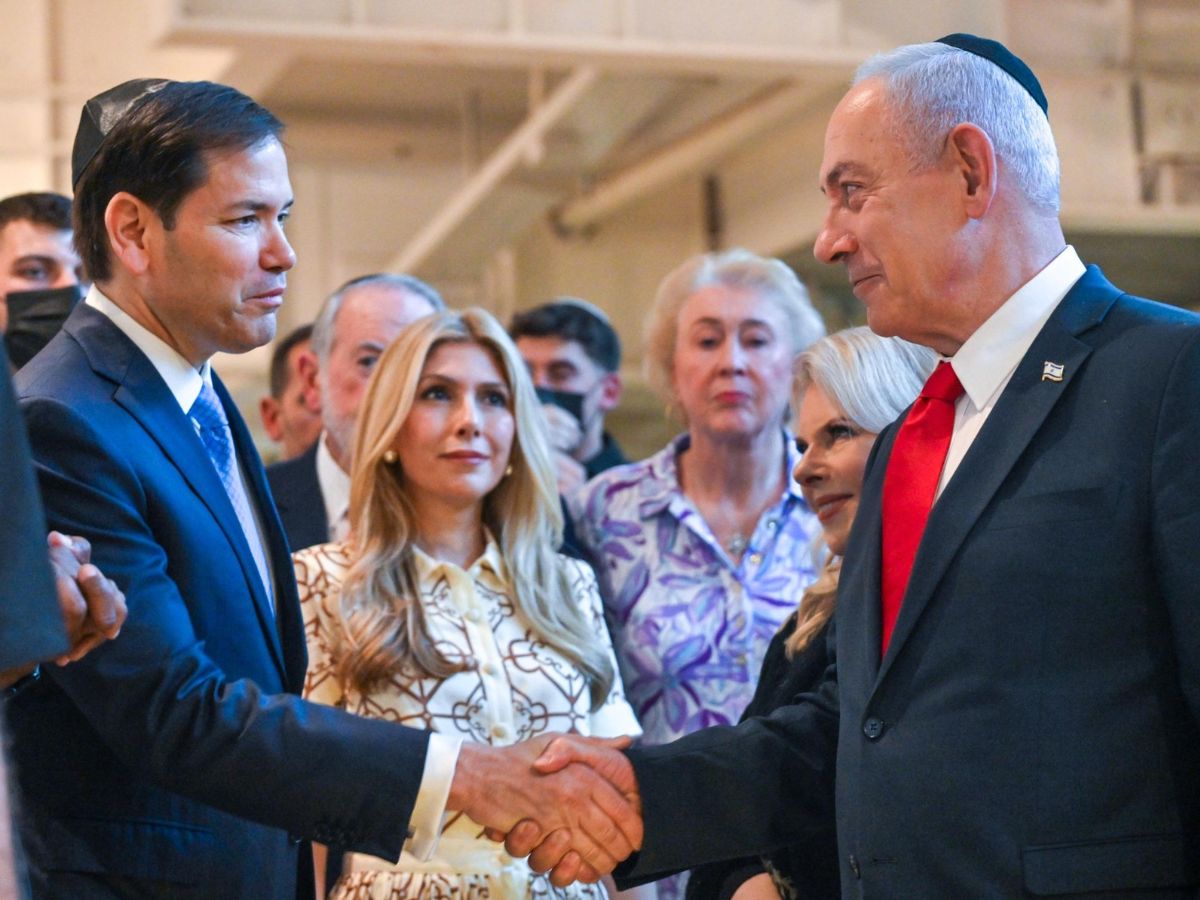
The US Secretary of State, Marco Rubio, visited Israel on Sunday as a crucial moment in continued Middle East diplomacy amidst increasing tensions in the region. Rubio’s trip occurred shortly after Israel’s latest intense military attack against Qatar’s Doha, targeting Hamas leaders but which met with global outrage and troubled the nation’s relations with regional and international allies. POTUS Donald Trump had condemned the attacks and has ensured that the long-standing relationship between the United States and Israel is not affected.
Emphasis on Gaza Crisis and Hostage Negotiations
Rubio’s first agenda was the growing crisis in Gaza. Before leaving, he made it clear that his goals were to ensure the release of hostages, allow humanitarian aid, and deal with the constant threat of Hamas. “Hamas cannot survive if peace in the area is the objective,” Rubio posted on social media. Trump’s concern was also about the need for urgency, emphasising the need for an immediate ceasefire, the return of all hostages safely, and negotiations on the reconstruction of Gaza in the long term.
Symbolism of the Western Wall and Consolidating Alliances
Rubio was greeted by Israeli Prime Minister Benjamin Netanyahu, with both leaders paying a visit to the Western Wall of Jerusalem’s Old City, one of the holiest places in Judaism. Netanyahu highlighted the strength of the U.S.-Israel relationship, likening it to the rocks of the Western Wall, stable and grounded in common history. The leaders, along with family members and envoys, made prayers and deposited notes in the Wall.
International Reactions and Next Steps
Rubio’s visit was keenly observed, particularly following Israel’s Qatar strike disrupted ceasefire talks and attracted sharp condemnation from Arab nations and global institutions. United Nations Secretary General António Guterres condemned the attack, urging increased efforts towards a permanent ceasefire. With an emergency summit among Muslim leaders being hosted by Qatar, Rubio’s discussions include “damage control” over diplomatic friction and attempts at resuming peace negotiations in Gaza.