
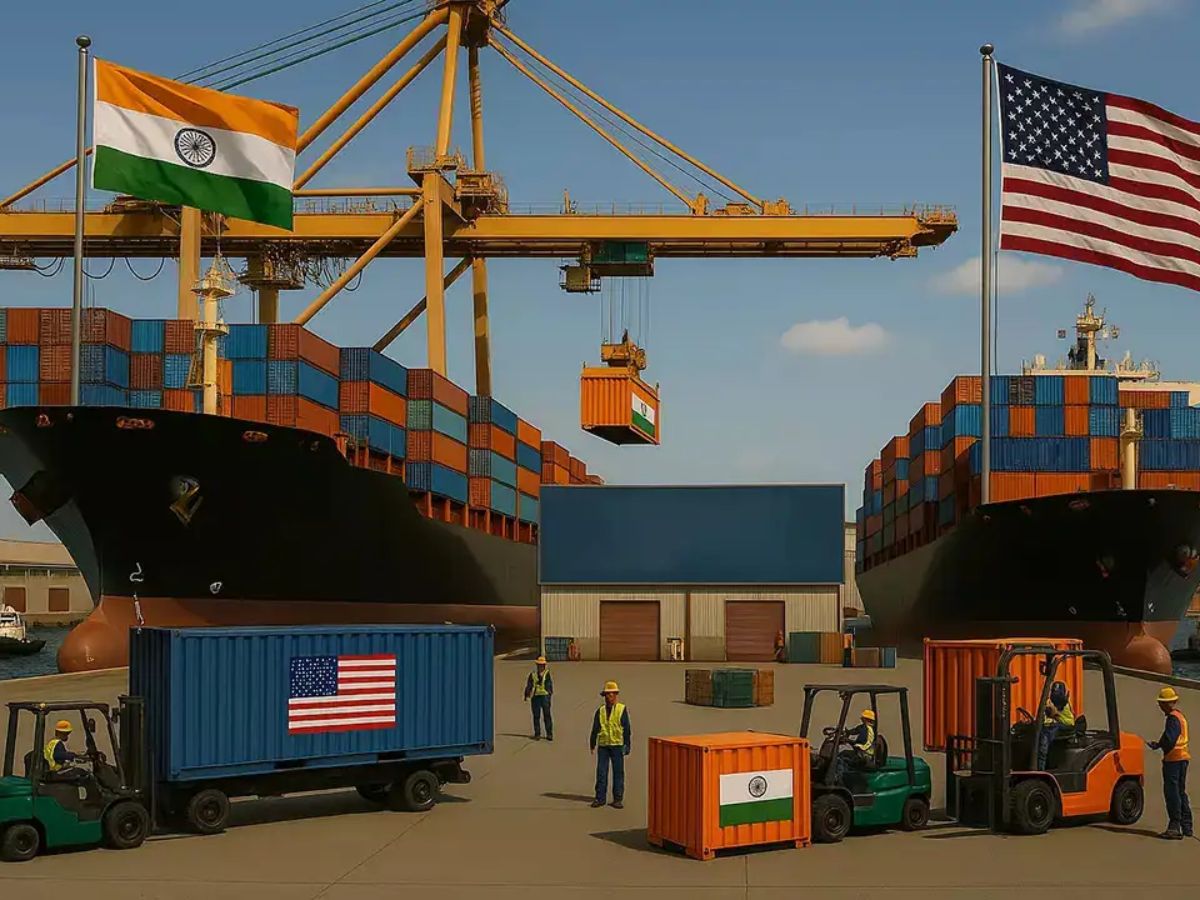
India and USA have been struggling to reach a mutual agreement regarding trade deals after US had imposed severe tariffs on Indian exports in August 2025. The ongoing trade talks seem to have reached major stumbling blocks even as both parties continue to work towards sealing a deal mutually beneficial to both the sides. The two nations have been vocal on putting efforts that could take bilateral trade to $500 billion by 2030. The negotiations, which had been constructive of late during meetings, continue to be tense mainly because of issues on tariffs, market access, and geopolitics.
Key Issues Holding Back the Deal
One of the major points of contention is the American call for India to stop or cut significantly its imports of Russian discounted crude oil. In retaliation against India’s ongoing imports of Russian oil while Russia continues to engage in war with Ukraine, the US levied a 25% tariff and an additional penalty tariff of another 25% on Indian exports. Washington has indicated that it needs to slow down these oil imports in order to cut India’s tariff load and close the trade agreement. India, however, insists that it won’t give up its energy security and keeps on importing Russian crude, calling the US tariffs as unfair and unjustified.
The second significant resisting block is India’s protectionist attitude towards its agricultural and dairy industries. India resists American pressure for reduced tariffs and increased access to genetically modified (GM) crops such as corn and soybeans, and dairy products. These industries employ millions of smallholder and rural farmers, and concessions of any kind are politically risky. The US demands tariff cuts and market access for these products, which India has stoutly refused, citing protecting the livelihoods of its rural people.
India also calls for retaliatory tariff relief from the US, especially in the form of steel, aluminium, and automobile parts, where US tariffs had been drastically increased. In turn, the US also calls for greater digital market access and greater intellectual property rights protections, but India is wary, with concerns about data security and sovereignty.
Recent Developments and Diplomatic Engagements
A senior Indian delegation headed by Commerce Minister Piyush Goyal visited Washington in late September 2025, having “constructive” talks with US officials. The two sides decided to keep negotiating with the goal of finalising a “mutually beneficial” trade deal in the near future. India made concessions like relaxing curbs on some US imports (such as GM corn) and raising defence and energy buys. Both countries’ business leaders expressed optimism in strengthening economic relations, yet no breakthrough was made.
The US insists on its tariff policies as leverage, considering India’s relations with Russia and inclusion in other financial blocs such as BRICS as complicating factors. The trade agreement is also viewed from the perspective of larger geopolitical interests, such as secure supply chains and strategic alliances in technology and defence.
Conclusion
Even with negotiations ongoing and diplomatic courtesy, irreconcilable differences over tariffs, energy imports, agricultural access to markets, and geopolitical confidence remain at the back of the India-US trade agreement. Both countries understand the gains that can be achieved through the agreement but closing the differences over these red lines has been a hurdle. The trade negotiations are to continue with optimism that consistent dialogue and potential concessions may in time result in a compromise that addresses economic interests and strategic issues.