
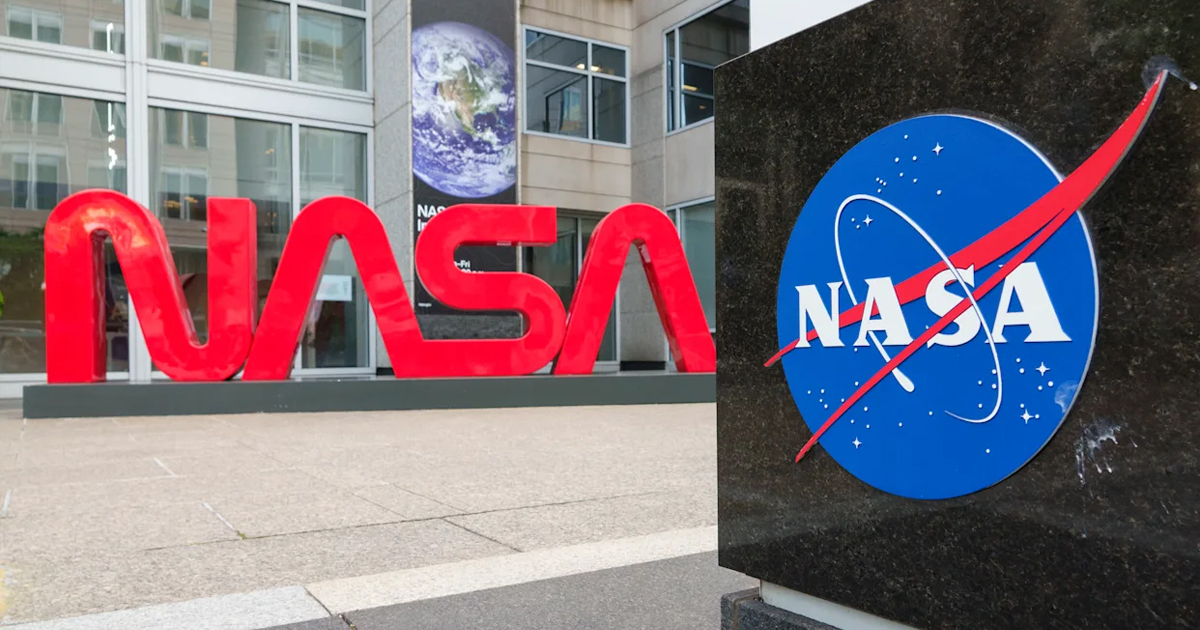
Over 2,000 top-level NASA employees are about to depart the space agency as part of a sweeping federal reduction-in-force effort, based on internal documents obtained by Politico. The departures come as part of a tide of early retirements, buyouts, and delayed resignations, with 2,694 total personnel agreeing to leave NASA.
Of these, 2,145 are top-level government staff occupying top technical and managerial jobs. These senior positions generally require specialized knowledge, and their departure indicates a substantial drain of institutional know-how throughout NASA.
Science and Human Spaceflight Are the Most Affected
The reports indicate that 1,818 outgoing workers are associated with science and human spaceflight endeavors, which are crucial to future missions, such as NASA’s proposals for the Moon and Mars. The rest of the departures consist of mission support personnel in IT, facility maintenance, and finance positions.
The reductions correspond with the planned 2026 White House budget, which aims to cut NASA’s budget by 25 percent. The same plan proposes cutting NASA’s overall staff by more than 5,000 workers, possibly to its smallest size since the early 1960s.
All 10 of NASA’s field centers are likely to be impacted by the brain drain. The largest number of departures will be at the Goddard Space Flight Center with 607 employees departing, followed by:
· Johnson Space Center (366),
· Kennedy Space Center (311),
· NASA Headquarters (307),
· Langley Research Center (281),
· Marshall Space Flight Center (279),
· Glenn Research Center (191).
Experts Raise Alarm Over Loss of Experience
The departure of so many experienced professionals has sparked concern within the scientific and space policy community. Speaking to the Times of India, Casey Dreier, Chief of Space Policy at The Planetary Society, warned,
“You’re losing the managerial and core technical expertise of the agency.”
A NASA employee, who preferred not to be named, seconded this fear, terming the exodus “a lot of experience drain” that would in turn affect operations, particularly in pivotal exploration missions.
Another employee noted that most chose early retirement because they were afraid of more budget cuts in the future and uncertainty in leadership, as the Senate has not confirmed the NASA Administrator role.
More Cuts Likely If Resignation Goals Not Met
Half of the 5,000 cuts in the White House plan have been made so far by way of departures. NASA is still using a postponed resignation program, available until July 25, to keep involuntary furloughs at bay. But if the response is meager, more cuts can follow.
The space agency is now also confronted with the double whammy of sustaining ambitious missions such as the Artemis lunar missions and future missions to Mars, alongside a huge loss in institutional expertise and leadership.