
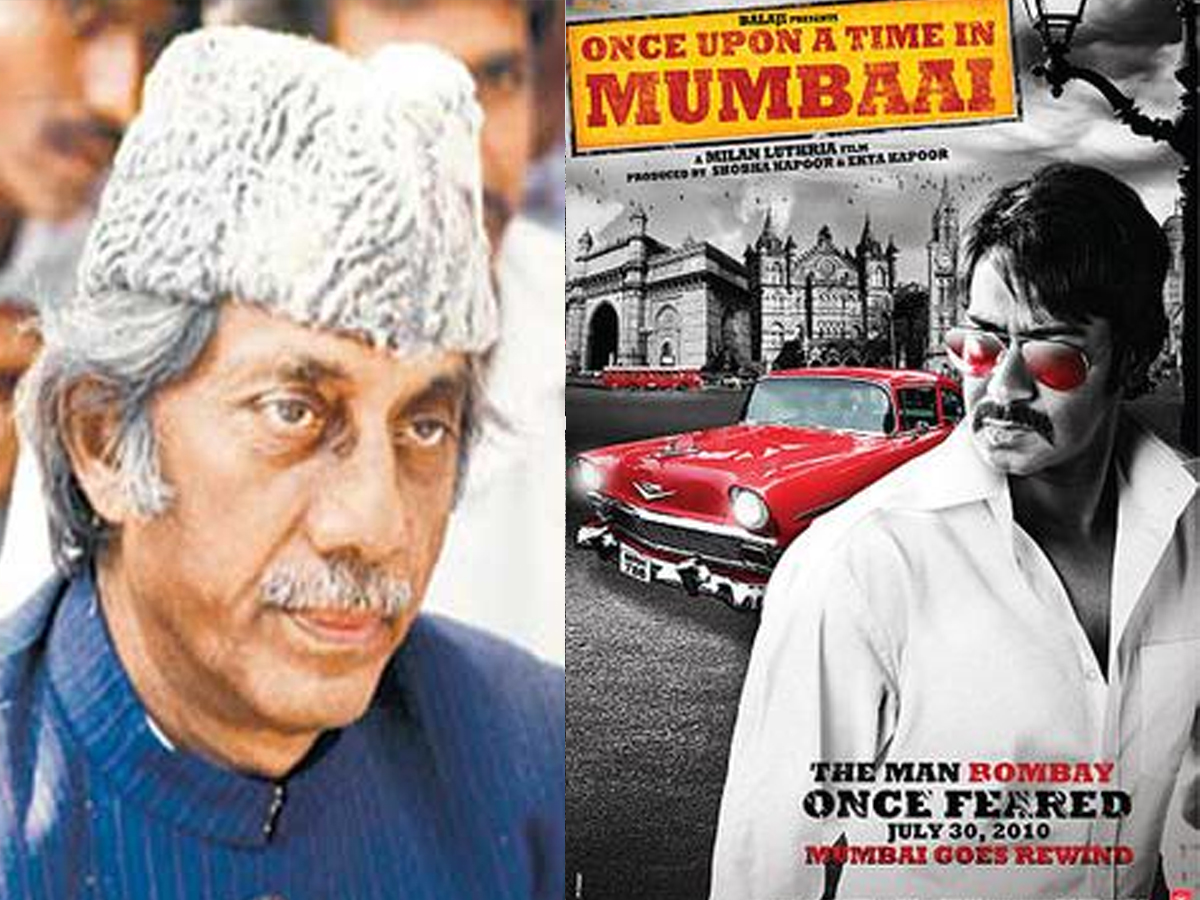
Haji Mastan Mirza, also known as Haji Mastan Haider Mirza, was one of Mumbai’s most influential underworld figures during the 1960s and 1970s. Born in 1926 in Panaikulam, Tamil Nadu, he rose from a small-time smuggler to a powerful businessman, film financier, and political figure known for his style and charisma.
How Did Haji Mastan Mirza Die?
Haji Mastan died of a cardiac arrest on May 9, 1994, at the age of 68 in Mumbai. His death marked the end of an era of old-school dons who maintained influence through money, charm, and political links rather than violence.
Did Haji Mastan Date Madhubala?
According to some media stories. Haji Mastan did not date Madhubala, but he was in love with her and was heartbroken when she died in 1969. He married Sona, who bore a resemblance to Madhubala. Hadji Mastan was infatuated with Madhubala’s beauty and reportedly wanted to marry her.
Net Worth of Haji Mastan
During his peak, Haji Mastan was believed to have amassed wealth worth hundreds of crores through smuggling, real estate, and film investments. In today’s terms, his net worth would likely exceed ₹500 crore, though much of it was unaccounted and informal.
Which Movie Is Based on Haji Mastan?
Several Bollywood films have drawn inspiration from his life. The most famous is “Once Upon a Time in Mumbaai” (2010) starring Ajay Devgn as Sultan Mirza, a character clearly modeled on Haji Mastan’s persona, style, and influence in Mumbai’s smuggling world.
Who Was Haji Mastan’s Wife?
Haji Mastan was married to Sona, a former Bollywood actress. She was often compared to Madhubala for her looks, and their marriage added a glamorous angle to his already larger-than-life image.
Link of Haji Mastan and Dawood Ibrahim
Haji Mastan was a mentor and ally to several rising gangsters, including Dawood Ibrahim, in the 1970s. However, as Dawood’s D-Company became more violent and international, their relationship reportedly soured. Mastan was from the older, more diplomatic generation of dons.
Who is the Son of Haji Mastan?
Haji Mastan had an adopted son named Sundar Shaekhar, who later entered politics. He claimed to continue Mastan’s social and political work, leading the Bharatiya Minorities Suraksha Mahasangh party.
Haji Mastan Family Now
After his death, Mastan’s family stayed largely out of the public eye. His wife, Sona, passed away years later, and his adopted son occasionally appears in the media for political reasons. His extended family remains in Mumbai and Tamil Nadu.
Books on Haji Mastan
Several books and biographies reference his life, including sections in “Dongri to Dubai” by Hussain Zaidi, which details the rise of the Mumbai underworld. The book portrays Mastan as a disciplined, suave smuggler who preferred negotiation over violence.