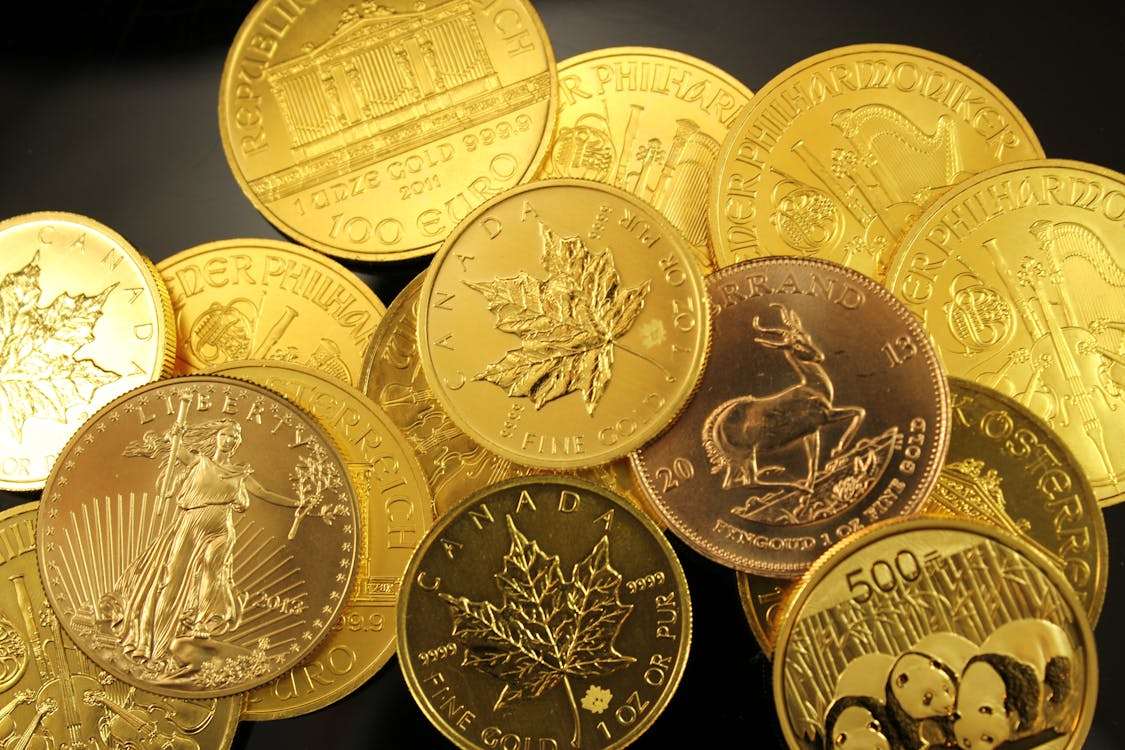
Many people assume gold coin premiums simply follow the price of gold, but the truth is far more interesting. When millions of new buyers rushed into the market in 2022, plenty were puzzled to see coins with identical gold content selling for wildly different prices.
The real drivers of premiums and resale value are often hidden in plain sight. Once you know what actually moves those numbers, choosing the right coins becomes clearer, smarter, and a lot more rewarding.
Key Forces Behind Gold Coin Premiums
Gold coin premiums come from a mix of craftsmanship, demand cycles, and supply chain realities. Each factor adds a layer of value before the coin ever reaches your hands.
Mint Reputation and Craftsmanship
Well-known national mints produce coins with consistent quality, precise machinery engagement, and trusted authenticity features. These traits make their coins easier to verify, which strengthens buyer confidence. Higher trust usually leads to stronger resale performance because more buyers recognize and prefer those coins.
Purity, Design, and Security
Coins with higher purity, refined finishes, or intricate artwork require additional production steps. Modern anti-counterfeiting elements, like micro etching, also increase manufacturing difficulty. These features reduce the risk of fraud and tend to help the coin hold value over time.
Market Demand Cycles
Gold premiums rise sharply when demand surges. When investor interest peaks, dealers often face low supply and longer wait times from mints. This imbalance pushes premiums higher and can stay elevated until production catches up.
Before diving deeper, here are three quick reasons demand spikes impact premiums most:
● Production delays at mints
● Faster sellouts at retailers
● Buyers prioritizing immediate delivery
How Production and Distribution Add to the Price
Every gold coin passes through multiple stages before landing in your hands. Refining, minting, packaging, transporting, and insuring all add cost.
Dealers also add a markup to keep operations running. Coins with limited runs or unique finishes take more time to produce, and that additional labor becomes part of the premium.
This is one reason many buyers compare highly traded bullion categories to view gold coins with tighter buy-sell spreads. Recognizable coins with large production volumes often benefit from stronger liquidity, making them easier to resell at competitive prices.
Condition and Grading
The condition of a coin plays a major role in its resale value. Light wear can reduce demand for collectible pieces, and scratches or dents can lower returns even for bullion. Professionally graded coins give buyers confidence in the exact condition, which helps preserve value.
Bullion vs Numismatic Value Differences
Bullion and numismatic coins behave differently in the market. Understanding how premiums form for each type helps you make better buying decisions.
Bullion Coins
Bullion coins track gold’s spot price closely. Their premiums mostly reflect production and distribution costs, not rarity. Large quantities are minted each year, which keeps premiums stable and predictable. These coins are favored by buyers looking for straightforward value and easier resale.
Numismatic Coins
Numismatic pieces earn their value from rarity, age, condition, and historical appeal. These qualities can push premiums far above melt value. However, resale depends heavily on finding buyers who want that specific coin. Their spreads can be wider, and prices fluctuate based on collector interest rather than gold’s market price.
Why the Buy-Sell Spread Matters
The buy-sell spread is the difference between what a dealer charges and what they buy back for. A narrow spread helps you recover more of the premium when it’s time to sell, especially in fast-changing markets. Bullion coins often have tighter spreads because they move quickly in the market.
A Quick Example
If you buy a bullion coin at 2 percent above spot and a dealer buys it back at 1 percent below spot, you experience a 3 percent spread. A numismatic coin may have a much larger spread because its pricing relies on collector demand rather than metal content.
Long-Term Resale Value and Liquidity
Liquidity is a major driver of resale performance, especially for investors seeking flexibility. Coins recognized worldwide move quickly because buyers already trust their design and purity. Dealers may also offer small discounts for volume purchases, helping reduce your overall premium and improving long‑term return potential.
Below are three benefits of choosing liquid gold coins:
● Faster resale opportunities
● More stable pricing during volatile markets
● Broader global demand that supports consistent long‑term value
Bringing Your Gold Strategy Together
Understanding what drives gold coin premiums and resale value helps you choose coins that match your goals. Mint reputation, security features, spreads, and condition all contribute to long-term performance.
If you’re exploring options that balance liquidity and premium stability, Pimbex offers a wide selection that can help you refine your approach. Feel free to explore their catalog or reach out for guidance as you continue building your collection or investment plan.