
Luxury real estate has always been a mirror to society’s aspirations, reflecting how wealth, taste, and lifestyle priorities evolve over time. Traditionally, “luxury” was measured in visible grandeur—palatial facades, imported marble, and sprawling lawns. But in the past decade, a quiet revolution has reshaped the definition of luxury living. Today’s high-net-worth buyers no longer seek only status symbols; they want spaces that deliver comfort, convenience, and curated life experiences.
This transformation is being driven by shifts in consumer behaviour, technological innovation, wellness-focused living, and global exposure to new lifestyle standards.
From Material Display to Lifestyle Curation
In earlier decades, the hallmarks of luxury properties were ornamental—grand entrances, chandeliers, heavy drapes, and rooms larger than necessary. These features were designed to impress visitors and display affluence. However, the new generation of wealthy buyers values functional elegance.
Rather than being dazzled by gold-plated taps or rare Italian stone, buyers are drawn to seamless layouts, abundant natural light, energy efficiency, and amenities that make daily life more enriching. The emphasis is on how a home feels rather than how much it cost to build.
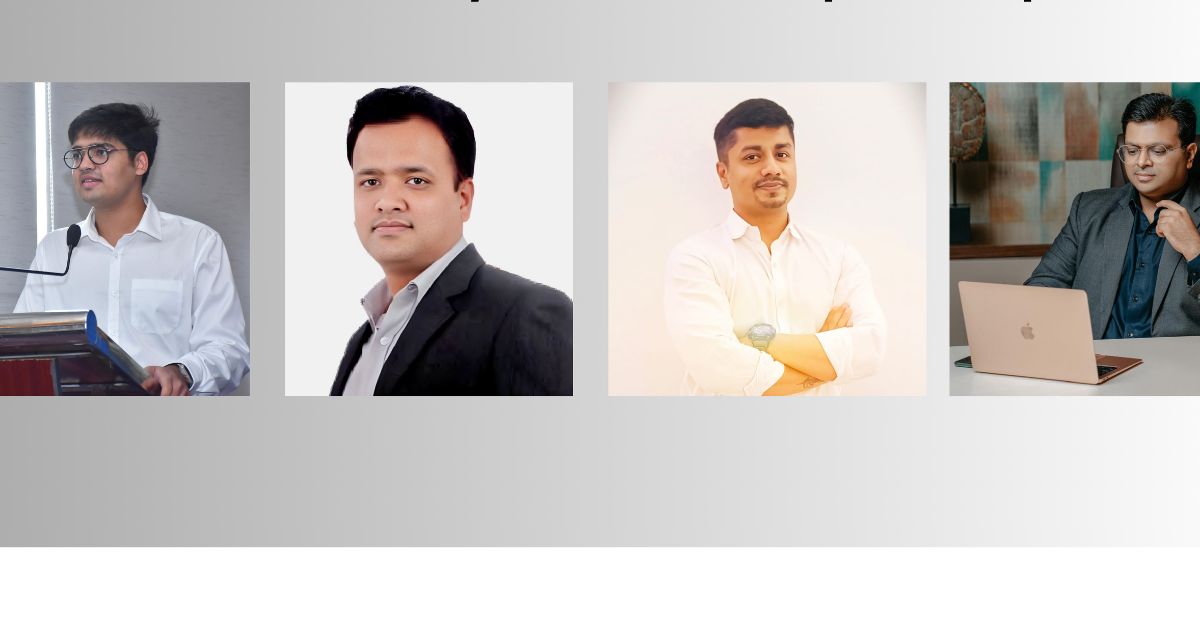
Keshav Mangla, GM Business Development at Forteasia Realty, observes,“Today’s luxury buyer is not purchasing square footage—they’re buying an experience. They want homes that are easy to live in, technologically intuitive, and adaptable to changing lifestyle needs. It’s about a long-term emotional connection rather than a one-time visual impression.”
The Rise of Experiential Living
The term “experiential luxury” has become central to real estate marketing in recent years, but it’s more than just a buzzword. It refers to homes designed to offer residents meaningful, immersive experiences rather than just physical space.
Modern luxury projects increasingly feature:
- Wellness amenities like temperature-controlled pools, spa facilities, meditation rooms, and yoga decks.
- Smart home technology for climate control, security, and entertainment systems operated via smartphone or voice commands.
- Community spaces designed for art exhibitions, wine tasting sessions, and private film screenings.
- Curated services such as concierge assistance, personal chefs, and housekeeping, often integrated into residents’ memberships.
Jetaish Gupta, Founder and Director of Adore Group, explains,“Experiential living is no longer an add-on—it is the core of luxury real estate. The discerning buyer wants personalisation, community, and services that save time while elevating daily life. Luxury has shifted from product-centric to service-centric.”
Wellness: The New Status Symbol
Health and wellness have emerged as central pillars of luxury real estate. Affluent buyers, especially post-pandemic, are investing in homes that not only look good but actively promote physical and mental well-being.
This means dedicated green spaces for morning walks, biophilic design principles that incorporate natural materials, high indoor air quality systems, soundproof interiors for stress reduction, and access to in-house nutritionists or fitness trainers. Wellness-certified buildings are becoming the new benchmark of premium living.
Technology as an Invisible Luxury
If marble floors and crystal chandeliers once defined opulence, today it’s the invisible layer of technology that signifies true modern luxury. Smart home automation is no longer a novelty—it’s a basic expectation in high-end housing.
Voice-controlled lighting, AI-driven climate systems, advanced security with facial recognition, and smart kitchens that can suggest recipes based on available ingredients are becoming common. Ultra-fast connectivity and home office setups also cater to the hybrid work culture of global executives.
Importantly, this technology is designed to be intuitive and unobtrusive—integrating seamlessly into daily life without overwhelming the aesthetic.
The Global Influence on Local Tastes
Global travel, international education, and digital exposure have transformed how Indian buyers perceive luxury. Many now expect the same standards they’ve seen in New York, Dubai, or London—branded residences, designer collaborations, and sustainability-focused developments.
Features like infinity pools, rooftop lounges, art galleries within the premises, and golf simulators, once considered excessive, are now seen as standard in the upper segment. Developers are collaborating with renowned architects and interior designers from across the world to create culturally hybrid spaces that appeal to cosmopolitan sensibilities.
Sustainability as a Core Value
Environmental consciousness is no longer a niche concern—it’s a priority. Luxury buyers are increasingly aware of their ecological footprint and expect their homes to reflect these values.
Energy-efficient appliances, rainwater harvesting, solar panels, waste management systems, and LEED or IGBC certifications are becoming non-negotiable. In fact, “green luxury” is becoming a selling point, as it combines exclusivity with responsibility, appealing to a generation that sees sustainability as integral to status.
Privacy and Security Redefined
In an era of social media oversharing and increasing cyber risks, privacy and security are at the forefront of luxury living. Buyers want gated communities with multi-layered physical security, as well as cybersecurity for home networks. Discreet service entrances, private elevators, and soundproof spaces are standard.
Siddharth Maurya, Founder & Managing Director of Vibhavangal Anukulakara Private Limited, points out,“Security is no longer limited to physical boundaries. True luxury offers a cocoon of safety—be it personal privacy, digital protection, or the ability to live without constant external intrusion. This sense of assured exclusivity is what affluent clients value most today.”
The Shift in Location Priorities
Earlier, luxury was synonymous with prime city-centre addresses. While these locations remain desirable, there is now a growing demand for serene, well-connected suburban luxury developments that offer space, greenery, and cleaner air without compromising accessibility.
Proximity to international schools, healthcare facilities, and premium retail is as important as having the skyline view. This shift has opened new real estate corridors for development, especially in metro outskirts and second-tier cities with high growth potential.
Annuj Goel, Chairman of Goel Ganga Developments (Annuj Goel Group), notes,“Affluent buyers today are willing to trade a few extra minutes of commute for the lifestyle benefits that suburban luxury offers—larger homes, more greenery, and modern amenities. The definition of a prime location has expanded to include how a neighbourhood supports long-term well-being and investment value.”
Looking Ahead: The Future of Luxury Living
The next decade is set to deepen the “experiential” approach to luxury housing. We can expect more hyper-personalisation, where homes are tailored to individual tastes and needs even before construction. Mixed-use developments will blur the lines between home, work, and leisure. AI and robotics will handle more domestic tasks, while wellness will expand to include preventive health care integrated into the living space.
Luxury will increasingly be defined not by how much space you own, but by how meaningfully that space serves your life.
The evolution of luxury real estate is a reflection of broader societal shifts—from a culture of display to a culture of experience, from material excess to mindful living. Today’s affluent homebuyers seek a balance of beauty, functionality, wellness, technology, and sustainability.
As developers adapt to these changing priorities, luxury homes are no longer just addresses—they are personalised lifestyle ecosystems. In this transformation, the definition of “opulence” has moved beyond walls and finishes, settling instead in the realm of how a space makes its residents feel every day.