New Delhi
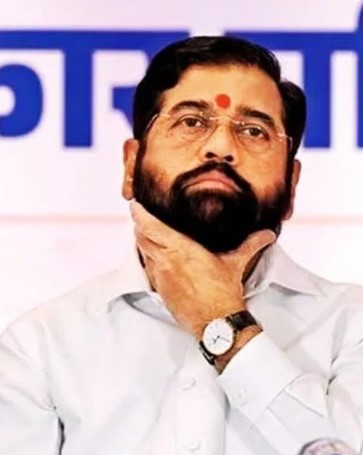
The induction of six Lok Sabha MPs from the Uddhav Thackeray-led Shiv Sena (UBT) into the Eknath Shinde camp, which is only a matter of time now, has triggered fresh political churn within the ruling NDA, with the development expected to strengthen Shinde’s bargaining power both in Maharashtra and in New Delhi.
With the latest defections, the Shinde-led Shiv Sena’s strength in the Lok Sabha is set to rise to 13 MPs, significantly enhancing its weight within the NDA and reinforcing Eknath Shinde, who holds the position of deputy CM in Maharashtra, position as one of the alliance’s most influential regional leaders.
According to political sources, the significance of the development extends beyond the weakening of the Uddhav Thackeray camp.
Within the Shinde camp, the view is that continued political expansion must translate into greater political accommodation. Having successfully retained control of the Shiv Sena organisation, strengthened his position in Maharashtra and now expanded his parliamentary footprint, Shinde is expected to press for a larger share of power within the NDA structure.
One of the key demands likely to emerge relates to enhanced representation for the Shinde faction at the Centre. Sources familiar with the discussions say that Kalyan MP Shrikant Shinde, son of Eknath Shinde, has cultivated strong relationships within the pro NDA establishment in Delhi and is increasingly being projected by supporters as a suitable candidate for a prominent role in the Union government whenever a cabinet reshuffle takes place.
The second and potentially more consequential aspect of the emerging political equation concerns Maharashtra itself.
Leaders close to the Shiv Sena believe that Eknath Shinde’s growing strength inevitably strengthens his claim to a larger role in the state’s power structure. While no formal demand has been made, there is a widespread perception within political circles that Shinde has never abandoned his ambition of returning to the Chief Minister’s office. Recent
developments have only reinforced speculation that the Shiv Sena intends to continuously assert its demand for the CM post.
These developments are also generating unease within sections of the BJP. Chief Minister Devendra Fadnavis remains the party’s tallest leader in Maharashtra and continues to enjoy significant support within the BJP as well as among sections of the RSS. However, as Shinde’s political leverage grows, so does the complexity of managing the balance of power within the Mahayuti alliance.
Complicating matters further is the existence of another stream of thinking within the BJP. According to party insiders, there are leaders who believe that Fadnavis should eventually transition to a larger national role in Delhi for their own personal and political reasons.
Such a move would naturally trigger a reordering of political equations within Maharashtra and reopen the question of leadership in the state. While there is no indication of any immediate change, the discussion has persisted in political circles and has acquired renewed relevance amid Shinde’s growing influence.
Those close to Fadnavis, however, maintain that the Chief Minister remains focused on Maharashtra and has little interest in relocating to Delhi. A section within the RSS is also understood to be of the view that Fadnavis remains the BJP’s most effective leader in the state and that retaining him in Maharashtra best serves the party’s long-term political interests.
The result is the emergence of two parallel power plays within the NDA. On one side is a strengthened Eknath Shinde seeking greater political rewards for his expanding parliamentary and organisational strength. On the other are ongoing conversations within sections of the BJP regarding the future trajectory of Devendra Fadnavis and the party’s leadership structure in Maharashtra.
For now, neither process has reached a conclusion. But the defection of six MPs has altered the political arithmetic sufficiently to ensure that questions about cabinet representation, leadership succession and the future balance of power within Maharashtra’s ruling alliance are once again at the centre of political discussion.