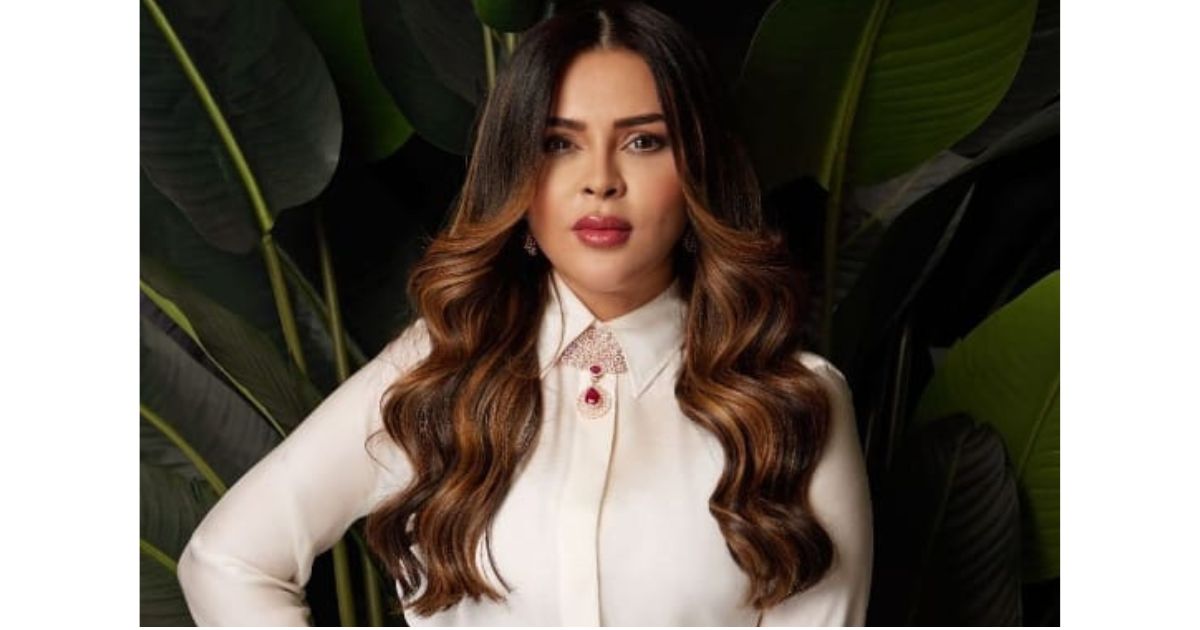
In an exclusive interview with The Daily Guardian, Somduta Singh—entrepreneur, philanthropist, investor, and author—shares her multifaceted journey from founding ventures in ad-tech to building Assiduus Global. This cross-border AI-powered e-commerce accelerator empowers D2C brands worldwide. With certifications from Harvard, MIT, and Columbia, she brings global insights to Indian ecosystems while driving impact through her philanthropic initiative Bhaavi and investment firm Karma Holdings. Singh opens up about the philosophies that shape her leadership, the role of empathy in business, and her commitment to creating inclusive opportunities for women-led enterprises.
1. Ms. Somduta, your entrepreneurial journey is a fascinating balance of starting up with ad-tech firm, to, AI-powered end-to-end e-commerce cross-border accelerator helps D2C brands to scale their businesses on global marketplaces, an author, philanthropist (Bhavi) and Investor (with Karma Holdings). What personal philosophies or life experiences have shaped your vision across these diverse domains?
My journey has always been about solving problems I’ve personally experienced. When I started my first companies, I learned quickly that building is hard, but scaling across borders is even harder. I faced the frustration of fragmented tools, unreliable partners, and a complete lack of visibility into how operations were running in different regions. Growth often came at the cost of control, and that never sat well with me. After exiting those ventures, I knew I wanted to build something that fixed those pain points not just for me, but for every founder and brand facing the same challenges. That is how Assiduus Global was born, as a global e-commerce operating system designed to give brands clarity, control, and confidence as they expand across markets.
But my journey has never been only about business outcomes. Through Bhaavi, I have been closely involved with women and children from underserved communities. Spending time on the ground has taught me that empathy is not a soft skill, it is a strength that changes how you build and lead. The gaps I saw, whether it was lack of education, financial independence, or confidence, reminded me that growth should always include those who are most often left out of the system. That perspective has shaped how I approach leadership and culture.
And then there is Karma Holdings, my work as an investor. Here I have seen the other side of the equation, how capital, when combined with mentorship and the right strategic push, can completely alter the trajectory of a young company. Investing has reinforced for me that good ideas are not enough. Founders need structured guidance and a network that believes in them, otherwise even the best ideas get lost.
Across these roles, entrepreneur, philanthropist, and investor, one philosophy has stayed constant. Lead with empathy, take full accountability for outcomes, and never let ideas remain on paper. Action is what transforms vision into reality.
2. How have you leveraged your strengths and special capabilities as a woman leader to make a positive impact in your organization?
I believe empathy has been my biggest strength as a leader. It has allowed me to listen more deeply, to understand what people are really going through, and to build an environment where they feel seen and valued. At Assiduus Global, this has shaped the kind of culture we have created. People are not just employees, they are owners of outcomes. They know their ideas matter and that they will be supported when they take initiative. That sense of belonging and accountability has been one of the driving forces behind our ability to scale globally.
Being a woman leader has also given me a different perspective on balance. I know what it feels like to juggle multiple responsibilities and to constantly prove yourself in spaces that are not always designed for you. That lived experience has made me more conscious about building an inclusive workplace where collaboration is valued as much as individual performance. We celebrate diverse perspectives, and we are patient with the process it takes to bring out the best in each person.
3. With certifications from Harvard, MIT, and Columbia, how has global education enriched your leadership style, especially in building women-centric business ecosystems in India?
Studying at places like Harvard, MIT, and Columbia gave me exposure to some of the best thinkers, leaders, and ecosystems in the world. What stood out for me was how these institutions connected innovation, policy, and entrepreneurship into a larger system. Success there was never about one person working in isolation, it was about networks and structures that supported growth from every angle.
That learning shaped how I lead today. I have become more systems-driven, always looking at how the pieces fit together rather than focusing on one part in isolation. When I came back to India, I wanted to bring that same mindset into how we build women-centric business ecosystems. Too often, women entrepreneurs here operate in silos without the right access to capital, mentorship, or markets. Global education taught me the importance of linking these parts into a supportive network. If you give women founders not just funding, but also guidance, visibility, and confidence, they can scale businesses that last.
4. Tell us how your company is contributing to the AI/Big Data Analytics/Tech Innovation industry of the nation and how the company is benefiting the clients.
Assiduus Global is designed as a full-stack global e-commerce operating system. Underneath it runs a strong layer of AI, machine learning, and big data analytics that drives decision-making for our clients. Our OMS and WMS track inventory and orders in real time, while our Brand Central provides brands with live visibility across products, ads, and compliance. It uses AI to forecast demand and detect issues before they become problems. For clients, this translates into better margins, faster expansion, and fewer blind spots. We don’t just provide technology, we deliver stability and growth they can rely on.
5. What do you believe are the biggest challenges women-led MSMEs / SMEs face today, and how does Bhaavi help overcome them?
Women-led businesses often struggle with three things: access to capital, access to mentors, and access to markets. Even with great products, these gaps can limit their growth. Bhaavi works to close those gaps by offering mentorship, training, and networks that open doors. More importantly, we focus on building confidence. Too many women are taught to think small. We want them to believe they can scale, lead, and compete on equal footing. Bhaavi is about giving women both the resources and the mindset to grow in a digital-first economy.