Electricity prices are climbing faster than many homeowners expected. In several states, rate hikes in 2025 pushed monthly summer bills noticeably higher, especially during peak air-conditioning season.
Cooling your home now feels less like a routine expense and more like a financial strategy. Homeowners are adjusting quickly. Equipment choices, thermostat habits, and even renovation plans are shifting in response to higher utility costs.
Rising Electricity Costs Are Changing Home Cooling Choices Through Efficiency Upgrades
Higher monthly bills are pushing efficiency to the top of the priority list.
According to reporting by Utility Dive, residential electricity prices rose 7.4 percent year over year in late 2025. For a household that spends heavily on cooling in July and August, that increase can translate into real budget strain.
An analysis from Kiplinger also found an average 5.8 percent rise in electricity bills, with some states seeing even steeper jumps. When rates rise across the board, older and less efficient systems become more expensive to operate each month.
A unit that once felt affordable can suddenly add significant pressure to a family’s seasonal expenses. As a result, homeowners are replacing aging air-conditioners sooner than planned.
High SEER ratings, inverter-driven compressors, and variable-speed systems are no longer niche features. Efficiency upgrades are becoming a direct response to rising electricity costs rather than a luxury add-on.
More Homeowners Are Choosing Zoned Cooling Over Whole Home Systems
Cooling the entire house all day no longer feels practical for many families. Modern households often use only a few rooms consistently, yet traditional central systems treat every square foot the same.
Zoned and ductless systems allow homeowners to cool specific areas independently. According to a 2025 study by Schneider Electric, most Americans say they want to reduce energy use and save on rising electricity costs. Room-by-room control directly supports that goal.
Instead of lowering the thermostat for the entire home, homeowners can focus cooling where it is actually needed. Bedrooms at night, home offices during work hours, and living areas in the evening can receive targeted comfort without wasting energy on empty guest rooms.
Over the course of a long summer, that targeted approach can significantly reduce total run time.
Smaller Targeted Systems Are Replacing Oversized Installations
Another major shift involves system sizing. Larger used to feel safer when it came to air-conditioning capacity. Now, oversized systems are viewed as inefficient and costly to operate, especially in well-insulated or moderately sized homes.
Contractors are performing detailed load calculations to avoid equipment that cycles on and off too frequently. Short cycling increases wear, reduces humidity control, and drives up energy consumption. Proper sizing improves comfort consistency and lowers long-term operating costs.
For single rooms, additions, or converted garages, extending central ductwork often turns into an expensive and inefficient upgrade. In many cases, modifying existing systems increases installation costs while still failing to correct uneven cooling or rising electricity consumption.
When homeowners reach this decision point, purpose-built single zone units designed specifically for independent room climate control become a practical alternative. Instead of overhauling the entire HVAC setup, they can compare available capacities, efficiency ratings, and installation configurations suited for one defined space, allowing targeted cooling without the long-term operating costs of running a whole-house system unnecessarily.
Smart Controls and Energy Monitoring Are Becoming Standard
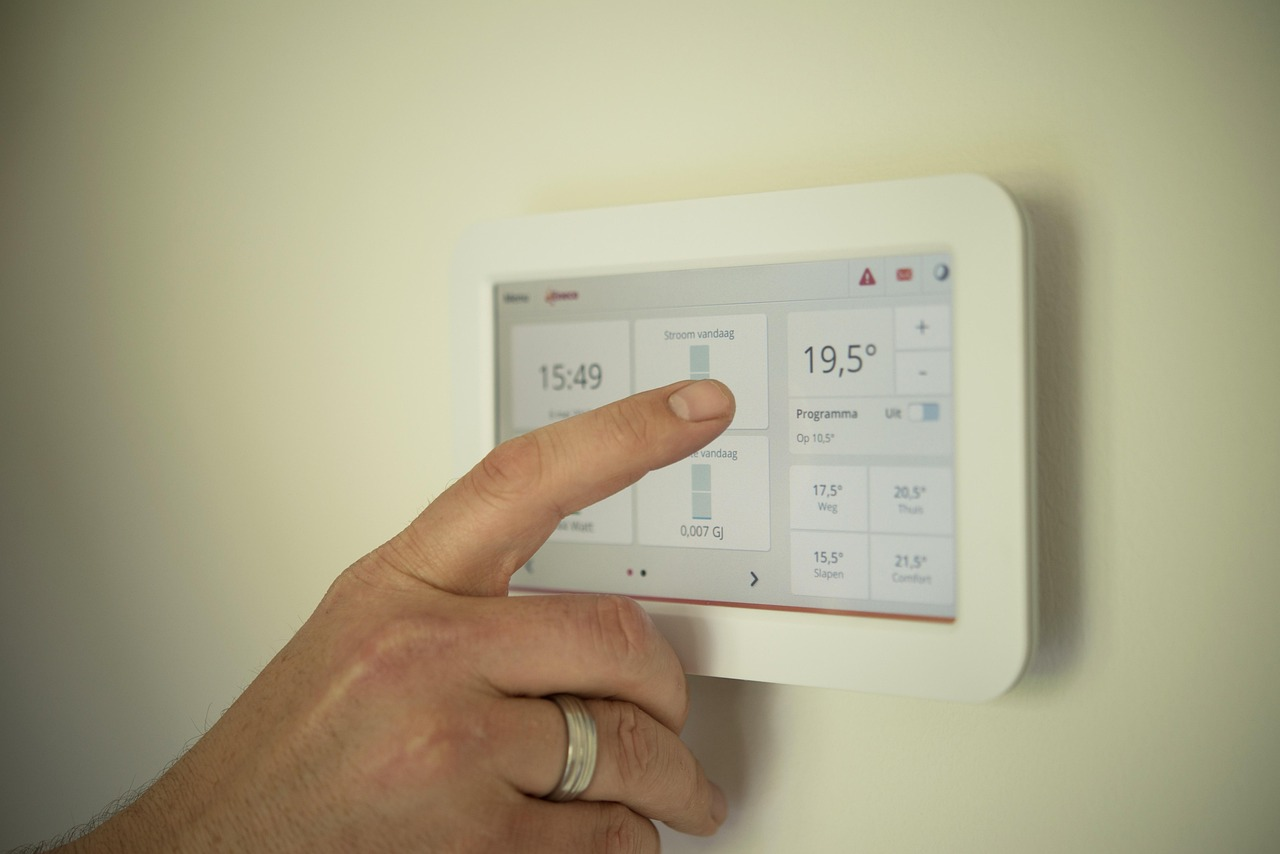
Rising electricity costs are also changing how people interact with their cooling systems. Smart thermostats and connected apps provide real-time usage data that was not widely available a decade ago. Greater visibility is reshaping habits in subtle but important ways.
When homeowners can see hourly consumption patterns, behavior changes quickly. Afternoon peak usage becomes visible, and small thermostat adjustments start to feel meaningful. Even a two-degree increase during high-demand hours can lower overall consumption.
Smart systems also allow remote control and automation. Cooling can be reduced when no one is home and restored before arrival. Usage schedules can match work routines, school drop-offs, and weekend travel, turning cooling into a more responsive and cost-aware process.
Retrofitting Older Homes Is Becoming Popular
Older homes often struggle with leaky ductwork, poor insulation, and outdated equipment. Rising electricity costs are motivating homeowners to address weak points selectively rather than investing in full system replacements all at once.
Strategic improvements can deliver noticeable savings without overwhelming upfront expenses. Targeted retrofits reduce strain on the main system and lower overall run time. Reduced workload on central equipment can also extend its lifespan.
Home energy audits are gaining popularity as well. Identifying insulation gaps, air leaks, and inefficient components helps homeowners prioritize upgrades in a logical order.
Budget-Focused Cooling Decisions Are Replacing Comfort First-Thinking
Cooling decisions used to revolve mainly around comfort and brand preference. Higher electricity prices are shifting that mindset toward long-term operating costs and measurable performance.
Homeowners increasingly ask contractors about projected monthly expenses, not just installation price. Lifetime energy consumption is becoming part of the conversation, especially in regions with prolonged heat waves.
Equipment comparisons now include efficiency data, estimated annual operating costs, and potential utility rebates. Many buyers focus on three practical goals when selecting new cooling equipment:
● Lower monthly electricity bills
● Flexible temperature control by room
● Reduced strain on aging central systems
Budget awareness does not mean sacrificing comfort. Instead, comfort is being evaluated alongside financial impact and long-term reliability.
Renovation and Home Design Plans Are Reflecting Energy Concerns
Instead of automatically tying new spaces into existing duct systems, homeowners are considering independent cooling solutions from the start. Planning for energy efficiency early prevents expensive corrections later.
Designers and contractors are incorporating zoned comfort into home offices, guest suites, and accessory dwelling units. Energy-efficient equipment is included in renovation budgets as a standard line item rather than an upgrade option.
Window upgrades, insulation improvements, and shading features are receiving more attention as well. Reducing heat gain lowers overall cooling demand, which directly reduces electricity consumption.
Adapting Your Cooling Strategy to Higher Energy Bills
Cooling your home is no longer just about escaping summer heat. Rising electricity costs are changing home cooling choices in ways that emphasize efficiency, flexibility, and long-term savings.
Homeowners are upgrading to higher-efficiency systems, choosing zoned solutions, right-sizing equipment, and embracing smart controls. Each adjustment reflects a broader shift toward cost-conscious comfort that balances performance with predictable expenses.
Careful system selection today can ease financial pressure during every future cooling season.
If you are reviewing your own setup, explore modern, energy-efficient options that match how your household actually uses space. Find a system that supports both comfort and smarter energy use.
And if this article was helpful, take a look at our other informative content!