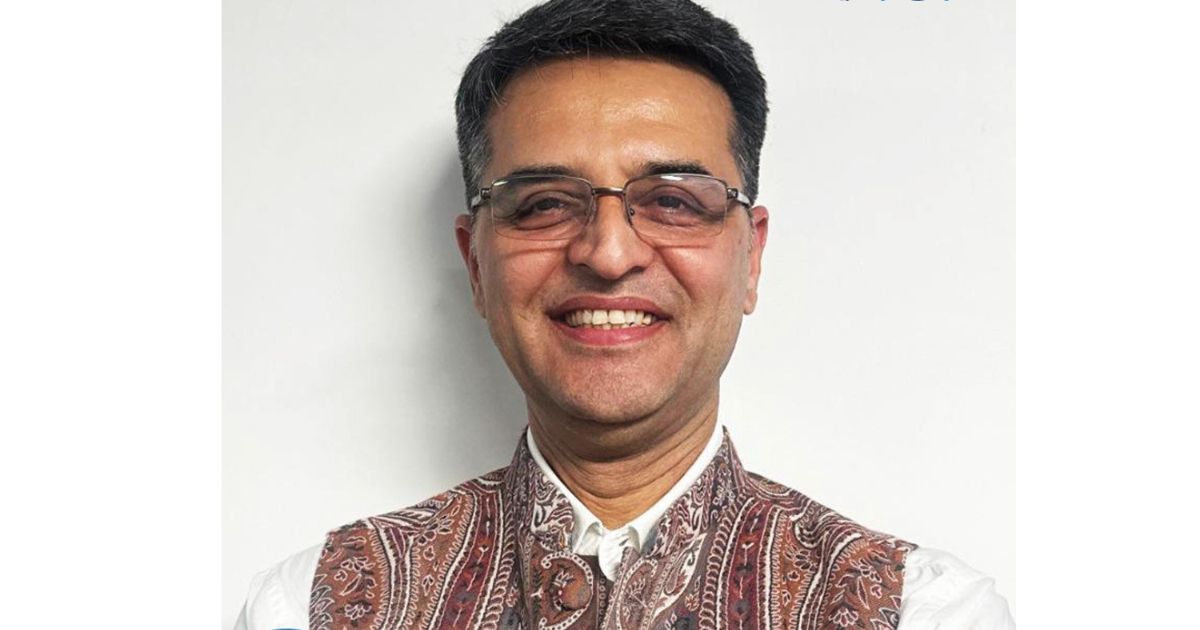
In a world driven by speed and profits, Sundeep Talwar, CEO of ImpactGuru Foundation, is steering a silent revolution—bringing healthcare to the last mile, restoring dignity to the underserved, and proving that purpose, not size, defines impact.
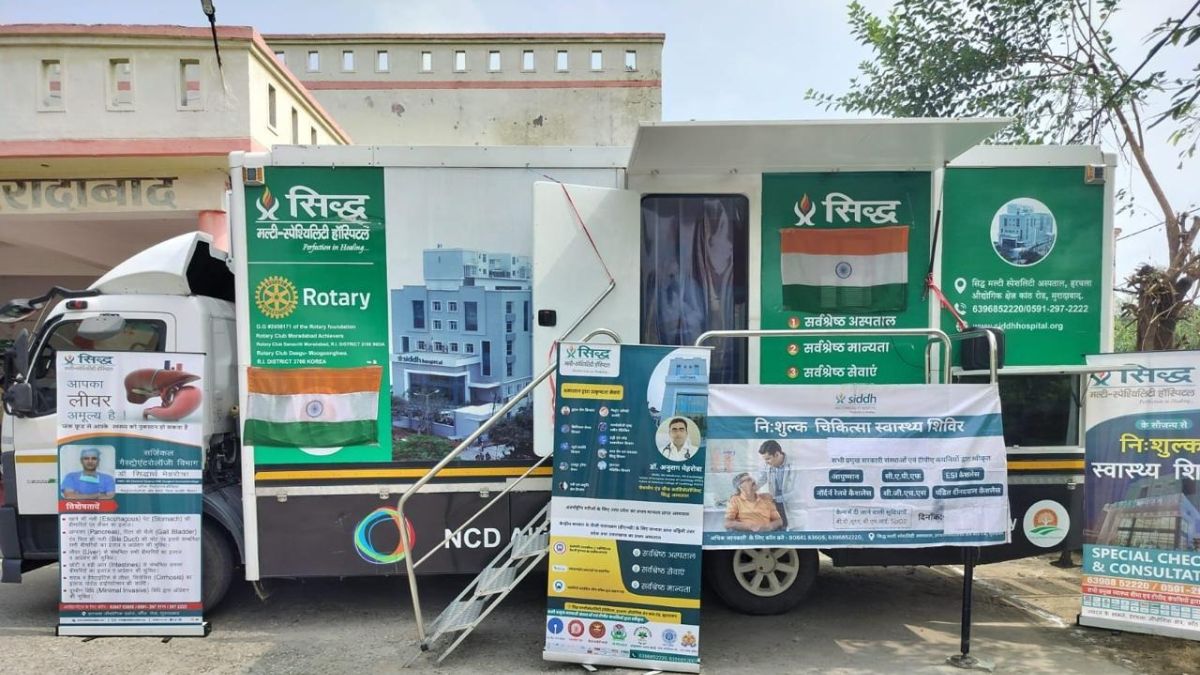
On any given day, a woman in rural Uttar Pradesh gets her first breast cancer screening. A tribal child in Maharashtra receives life-saving medication. A mobile van rolls into a remote village in Madhya Pradesh, carrying a doctor, a health worker, and hope.
These aren’t scattered stories. They’re part of a meticulously designed, tech-enabled, compassion-driven healthcare movement led by ImpactGuru Foundation—a not-for-profit that is quietly rewriting the rules of public health delivery in India.
At the helm of this transformation is Sundeep Talwar, a seasoned philanthropic strategist and the visionary CEO of the Foundation. Unlike traditional CSR projects or large institutional charity efforts, his model is lean, nimble, and laser-focused on “impact per rupee.” With a background in corporate leadership and a heart rooted in public service, Talwar’s goal is simple but audacious: Healthcare that moves. Healthcare that listens. Healthcare that reaches.
From Boardrooms to Bharat: The Journey of a Purpose-Led Leader
Sundeep Talwar isn’t your typical NGO leader. With over two decades of experience in leadership roles across telecom, aviation, and technology sectors, he could have stayed in boardrooms and strategy sessions.
But a deeper calling led him to the social impact space. “I realized that my skillsets could help build more agile, accountable models in the non-profit world,” he says. “We didn’t need more funds—we needed smarter ways to use them.”
Under his leadership, ImpactGuru Foundation has scaled with speed and purpose. From launching mobile medical vans that bring doctors and diagnostics to India’s deepest interiors, to implementing doorstep screening programs for cancer, anemia, and chronic diseases, Talwar’s focus has remained clear: deliver primary care with dignity, data, and dedication.
A Model That Moves—Literally and Logically
ImpactGuru Foundation’s flagship initiative, “Care on Wheels,” is a shining example of Talwar’s operational philosophy—do more with less, but do it well.
Each mobile unit is more than a van; it’s a full-service mini-clinic staffed with MBBS doctors, nurses, and trained health educators. But what sets it apart is its back-end—real-time data tracking, AI-enabled reporting, cloud-based patient records, and geo-tagging. This allows for transparency, continuity of care, and efficient deployment.
In just the past year, the Foundation has served over 2 million beneficiaries, conducted over 100,000 screenings, and facilitated early diagnosis in thousands of chronic and life-threatening conditions—all with a small, committed team and a smart deployment model.
“Our goal isn’t to become the biggest,” Talwar says. “It’s to become the most effective per human touched.”
Serving the Unseen: Equity at the Heart of Everything
ImpactGuru Foundation doesn’t build massive hospitals or run large-scale blood banks. Instead, it does something far more challenging—it reaches the ones no one else reaches.
Whether it’s a tribal belt with no medical infrastructure, an urban slum where women have never heard of preventive screening, or children with rare diseases who need urgent financial and medical help, the Foundation steps in—quietly, quickly, and respectfully.
Talwar ensures that “compassion isn’t an afterthought—it’s the first principle.” That’s why every patient is treated with dignity. From customized health kits to counseling and follow-up visits, the care is continuous—not episodic.
He also champions inclusive hiring—impacting not just patients but also creating livelihoods for community health workers, especially women, from the same villages they serve.
Lean Teams, Big Impact
What makes ImpactGuru Foundation stand out is its structure. Operating with minimal overheads, a compact team, and strong partner networks, it’s a start-up in mindset and a movement in spirit.
The Foundation partners with public health departments, corporates, donors, and local NGOs—but doesn’t lose its core voice in the noise. Every intervention is mapped, measured, and meticulously reported.
“We are accountable—not just to donors, but to every human we promise to serve,” Talwar says. “Every rupee must mean something to someone.”
Tech Meets Humanity
A firm believer in digital-first philanthropy, Talwar has ensured that every field report, every treatment cycle, and every patient outcome is digitized. From WhatsApp-based alerts for follow-ups to dashboards tracking referral outcomes, ImpactGuru Foundation runs on smart compassion.
Yet, despite all the tech, it’s the human touch that resonates the most. Patients remember not the van or the tablets, but the kind doctor who explained their illness without judgment, the health worker who held their hand, the nurse who visited again to ensure they took their medicine. That is the real success metric for Talwar.
A Future Fueled by Purpose
Looking ahead, Talwar and his team are expanding into school health programs, mental health screenings, palliative care, and rare disease support systems. The plan is to scale horizontally with depth—not just more locations, but better quality, longer-term care.
“Healthcare is not just about survival. It’s about quality of life, about peace of mind, about hope,” Talwar says. “And we are here to give people back their right to hope.”
Conclusion: A Silent Revolution in Service
In a world obsessed with headlines and hashtags, ImpactGuru Foundation is doing the hard work in the background—with humility, efficiency, and relentless dedication. Under the stewardship of Sundeep Talwar, it has become a blueprint for modern humanitarian work: digitally empowered, community-centered, and ethically grounded.
It may not always make the news. But it is changing lives—one mobile clinic, one mother, one child, one smile at a time.
As Talwar sums it up best:
“You don’t need a thousand hands to change the world. Just two, with a clear conscience and a compassionate heart.”